Answering the question: which spray shield is best for protecting floors, walls, and furniture during painting? This guide reviews five top options ideal for hobbyists, DIY homeowners, and professional painters seeking reliable containment and simple setup. Each pick is evaluated for ease of use, material quality, and suitability for specific projects. The table below highlights quick picks to help you compare at a glance.
| Product | ||
|---|---|---|
| Hyde 28000 Proshield Flexible Labeled Spray Shield | Flexible aluminum shield | Angled spraying and rugged use |
| Hyde 28060 ProShield Spray Paint Shield | Flexible polystyrene shield | Lightweight, versatile angles |
| Trimaco Cardboard Spray Shield Paint | Absorbent cardboard shield | Budget projects and quick cleanup |
| Dunzoom Cardboard Spray Shield (15 Pcs) | Cardboard shield bundles | Large-area protection and replacements |
| Warner Plastic Spray Paint Shield Holder | Plastic shield holder | With existing cardboard shields and extensions |
Hyde 28000 Proshield Flexible Labeled Shield

The Hyde 28000 blends a flexible aluminum blade with a polystyrene runoff lip, offering sturdy containment with a transferable, angled range. This shield is best for serious projects where durability and precise positioning matter. The patented Pivot neck system enables positioning at nearly any angle, and an 18-inch acme-thread hardwood pole is included for extended reach. Choose this if you need a robust shield that can handle varied spray angles and heavier use. Caution: heavier setup may require more storage space and a firm mounting surface.
Hyde 28060 ProShield Spray Paint Shield
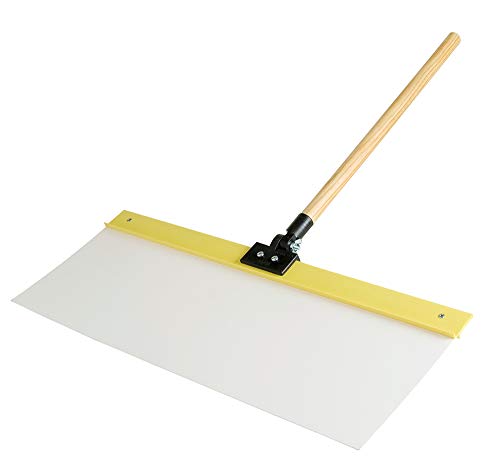
This version uses high-impact polystyrene with a runoff lip, making it lighter and easy to reposition. The PivotNeck system allows blade positioning at any angle, and it includes an 18-inch Acme-thread hardwood handle for better control. Best for painters who want a portable shield that’s quick to deploy and adjust for different painting tasks. Limitation: less suited for extremely heavy-duty or high-pressure applications where aluminum would be preferable.
Trimaco Cardboard Spray Shield Paint — 50 Pack
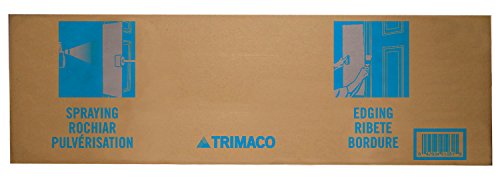
These 10″ x 31″ absorbent cardboard shields provide cost-effective, disposable protection for spray painting. The large sheet size speeds up coverage and cleanup, especially on walls and furniture. Best for budget projects or one-off jobs where convenience and quick disposal matter. Caution: cardboard shields are not as durable as plastic or aluminum and may warp in high humidity or prolonged exposure to solvent-based paints.
Dunzoom 15 Pcs Cardboard Spray Shield Set

Composite pack contains 15 pieces of 36 x 9 inches cardboard shields. The 3 mm corrugated material provides robust protection while remaining lightweight for easy handling. Best for larger painting projects or when you need replacements on hand. Choose this if you want a balance between coverage area and cost. Limitation: cardboard shields may wear faster with solvent-based paints or high-spray pressure, requiring replacements mid-project.
Warner Plastic Spray Shield Holder, 10187

The Warner holder is a lightweight plastic shield designed for use with Warner cardboards and extension poles. It helps painters quickly mount and adjust shields mid-project. Best for users who want a flexible system to support existing shields or to pair with other Warner materials. Caution: compatibility with non-Warner shields may vary and could reduce stability.
Buying Guide: Key Considerations for Choosing a Spray Shield
What material best fits your project? Aluminum shields offer durability for repeated use, while polystyrene and cardboard shields are lighter and more affordable for single-project needs. Consider shield size, edge lip design, and whether a runoff lip is included to manage overspray effectively. Do you need a pole or a holder for easier positioning? If you spray in tight spaces or on varied angles, pivot or adjustable neck features improve control. For messy cleanup, cardboard shields provide convenience but sacrifice longevity. Finally, assess whether you want a bundled system with a mounting pole or a simple disposable shield for quick tasks.
Material and Durability
Choose aluminum for long-term use and rigid stability. Polystyrene shields offer better impact resistance and lighter handling. Cardboard shields are most economical but least durable for repeated use or solvent exposure.
Size, Coverage, and Runoff
Smaller shields are easy to maneuver in tight spots; larger shields cover more area and reduce ambient overspray. Runoff lips help collect excess paint, preventing drips onto protected surfaces.
Portability and Setup
Pivot necks and handles enhance positioning. Cardboard shield sets with multiple pieces provide mass coverage and quick replacements, while plastic or aluminum shields require mounting options.
Accessibility and Replacement Parts
Having additional shields on hand reduces downtime. Replacements and compatible holders should be considered, especially for busy projects or professional use.
FAQ
- What type of spray shield is best for beginners? Lightweight plastic or cardboard shields are easiest to handle and inexpensive for learning proper masking and cleanup.
- Can I reuse cardboard spray shields? They can be reused if kept dry and protected, but durability is limited compared to aluminum or plastic.
- Do shields affect paint coverage? Shields primarily protect surrounding areas; selecting the right size and angle helps achieve cleaner lines and less overspray.
- Is a shield with a runoff lip worth it? Yes, for projects with liquid paints, because it helps collect drips and reduces surface overspray.
- Should I use a shield with a pole? A pole increases reach and stability for tall surfaces or overhead work, reducing shoulder strain.
- Can shields be used for staining and finishing? Yes, many shields handle water-based and oil-based finishes when appropriate materials are chosen.