When walls show uneven texture, stains, or patched joints, a high-build primer is essential. This article highlights thick-primer options and related products to help you achieve a smooth, uniform base. The picks are best for DIYers tackling drywall, plaster, or newly finished surfaces, and for pros needing reliable hiding power. Use these primers to reduce topcoat coats, improve adhesion, and minimize paint usage on porous substrates.
The following table provides a quick reference to the five highlighted products, including what each is best for and a key note on suitability.
| Product | Brand | Best For | Notes |
|---|---|---|---|
| Painter’s Touch 2X Ultra Cover Primer Spray | Rust-Oleum | Interior and exterior wood, plastic, plaster, metal, masonry; quick-dry projects | Oil-based formula; low odor; dries to touch in 20 minutes; covers up to 12 sq. ft. per can |
| Drywall Primer & Sealer, 1 Gallon | EVOLVE | New drywall and plaster; hides joints and repairs | High-solids; fast-dry; low odor; improves topcoat adhesion |
| Bulls Eye 1-2-3 Water-Base Primer, 5 Gallon | Zinsser | General interior surfaces; easy staining and blister resistance | Low odor; flexible acrylic; resists blistering and peeling |
| Water-based Drywall Primer, White, 1 gallon | Zinsser | Drywall touch-ups and repairs; large wall areas | Excellent coverage; low odor; suitable for interior walls |
| Wall Repair/Touch-Up Kit (White) | Galitoon / ECMOOMCE (similar products) | Interior walls and ceilings; concealing scratches and stains | Water-based; low odor; convenient for quick fixes |
Rust-Oleum Painter’s Touch 2X Ultra Cover Primer Spray

Features: Ideal for interior/exterior surfaces including wood, plastic, plaster, metal, masonry and unglazed ceramic. Oil-based formula is low odor, resist chips and provides long-lasting protection. Dries to touch in 20 minutes and covers up to 12 sq. ft. per can.
Best for: Pros and DIYers needing a thick, versatile primer with strong hide capabilities for multiple substrate types. This product is selected for its broad adhesion and durable undercoating properties. Caution: Oil-based formulas can be harder to clean up and may require solvents for cleanup.
EVOLVE Drywall Primer & Sealer, 1 Gallon
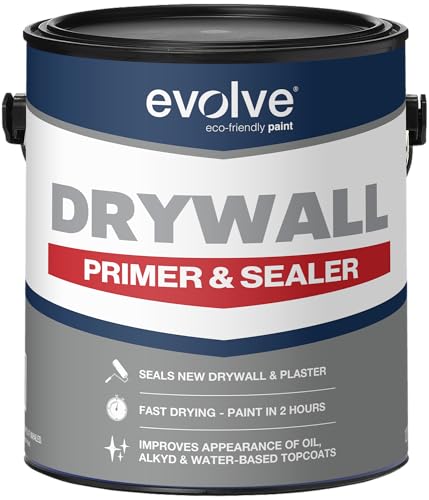
Features: PRIME & SEAL IN ONE with high-solids formula; designed for drywall and plaster. Locks down porous surfaces and creates a uniform foundation; excellent hide to mask joint compound, tape lines, and repairs.
Best for: Projects involving new drywall or skim-coated walls where uniform porosity is critical. Choose this for a base that reduces topcoat usage. Caution: May require longer drying time in cooler conditions.
Zinsser Bulls Eye 1-2-3 Water-Base Primer, 5 Gallon
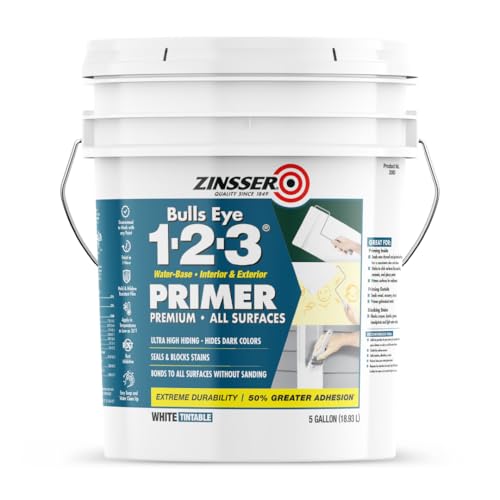
Features: Low odor and easy to apply; breathable, flexible acrylic formula resists blistering and peeling; sticks to all surfaces without sanding.
Best for: Large wall projects where easy brush/roller work and surface flexibility matter. Choose this for a reliable water-based base that minimizes surface prep. Caution: Not ideal for very glossy surfaces without proper scuffing.
Zinsser 01501 Water-based Drywall Primer, White

Features: Superior wall coverage; ideal for drywall repairs; low odor application for indoor projects where ventilation is limited.
Best for: Rooms with frequent occupant presence and limited ventilation; large areas needing a smooth, matte white finish. Caution: Some surfaces may still require light sanding for best topcoat adhesion on very rough repairs.
Wall Paint, 17.64oz White Touch-up Paint

Features: High coverage wall repair; water-based and low odor; wide application for interior walls and ceilings; ready to use for staining and graffiti coverage in one kit.
Best for: Quick fill-ins on walls after priming; suitable for apartments and rental spaces needing minimal odor. Caution: Not a substitute for proper primer on highly porous or heavily damaged substrates.
Buying Guide: Key Considerations for Thick Primers
- Porosity and surface type: Choose high-build primers for drywall, plaster, masonry, and bare wood. Porous surfaces benefit most from adhesives and sealing steps.
- Adhesion vs. drying time: Oil-based primers often offer strong adhesion and blocking of stains but can require longer cleanup. Water-based primers excel in easy cleanup and low odor.
- Hiding power: For wall imperfections, seek primers described as “high-hide” or with “excellent coverage” to reduce topcoat thickness.
- Topcoat compatibility: Ensure the primer is compatible with your intended topcoat (latex vs. oil-based). Check label guidance for adhesion and finish.
- Drying time and recoat windows: Plan for adequate drying time between coats to prevent streaks and flash-drying on porous areas.
FAQ
- What is a thick primer good for on walls?
A thick primer provides strong hiding power, seals porosity, and creates a uniform base to reduce topcoat coverage and improve adhesion.
- Should I use oil-based or water-based primer for walls?
Water-based primers are easier to clean and have lower odor, suitable for indoor spaces. Oil-based primers offer excellent stain blocking and adhesion on challenging substrates but require solvents for cleanup.
- Can primer alone fix wall imperfections?
Primer helps prepare the surface and hide pores, but severe texture or deep repairs may require spackle, sanding, or patching before priming.
- Is a 1-gallon primer enough for large rooms?
Coverage depends on surface porosity and coat thickness. Plan for multiple coats on very porous drywall or plaster; consult label coverage guidance for your chosen product.
- Do I need a separate sealer?
Some products combine primer and sealer in one, which is suitable for porous substrates. If you have stains or heavy repairs, a dedicated sealer can improve finish uniformity.
- What should I prep before priming?
Clean walls, remove dust, and repair major cracks or holes. Light sanding on glossy surfaces improves primer adhesion.