Stone stencils for walls offer a budget-friendly way to achieve authentic stone textures on floors, walls, or furniture without professional remodeling. This guide highlights five top options, explains who each is best for, and helps you pick the right stencil for your project. Ideal buyers include homeowners renovating on a budget, renters seeking temporary features, and crafters aiming for rustic or vintage looks.
| Product | Best For | Surface Fit | Notes |
|---|---|---|---|
| Stone Stencils, 2 Pcs Sharp Stone Stencils for Painting on Wood Wall Floor Tile Canvas | Budget projects and beginners | Wall, Tile, Wood | Reusable 12″ x 12″ tiles; easy cleanup |
| Brick Stencil Stone Stencils for Crafts 6″ | Small décor accents and detailed textures | Wood, Fabric, Furniture | Set of 16; durable PET material |
| GSS Designs Stone Stencils for Painting on Wood Wall Canvas Floor Tile | Versatile stone pattern projects | Wood, Walls, Floors, Tile | Reusable, 12″ x 12″ |
| 2 Pack -2 Inch Letter Stencils Set, 72 Reusable Stencils | Text and signage with stone texture backdrop | Wood, Metal, Walls, Fabric | Interlocking design for easy alignment |
| Large Stone Stencils for Tile Makeover, 12×12 Inch, 2 Pack | Floor or wall cobblestone effects | Tile, Wood, Concrete | 10 mil, seamless look |
Stone Stencils 12″ x 12″ For Walls, Floors And More

Best for budget-friendly renovations, this large 12″ x 12″ stencil set provides a quick way to replicate a stone pattern on walls or floors. The translucent 10 mil Mylar lets you position the design precisely and reuses easily after cleaning with appropriate paint. Choose this if you’re starting a DIY project and want a simple, repeatable stone motif on bigger surfaces.
Best for: Beginners and homeowners seeking an affordable, reusable stencil for wall or floor projects. Limitation: Large tiles look best when used in sections; alignments can be more visible on busy textures.
Brick Stencil Stone Stencils For Crafts 6″ Pack

This 6″ stencil set includes 16 textures ideal for adding brick, herringbone, or stone patterns to smaller surfaces like tabletops, decorative panels, or fabric projects. Made from durable PET material with a 0.25 mm thickness, the stencils resist wear and provide repeatable results. Best for: crafters who want varied texture scales and quick changes between patterns. Caution: The smaller size may require more precise placement to avoid misalignment on large surfaces.
GSS Designs Stone Stencil 12″ x 12″

GSS stone stencils emphasize universal usability across surfaces, including wood, walls, and floors. The 12″ x 12″ stencil is part of a collection offering many designs, enabling flexible creativity. Best for: decorators who want consistent stone patterns that transfer well across multiple surfaces. Limitation: Only one stone pattern per stencil may require multiple passes to cover large areas.
2 Pack Large 2 Inch Letter Stencils Set
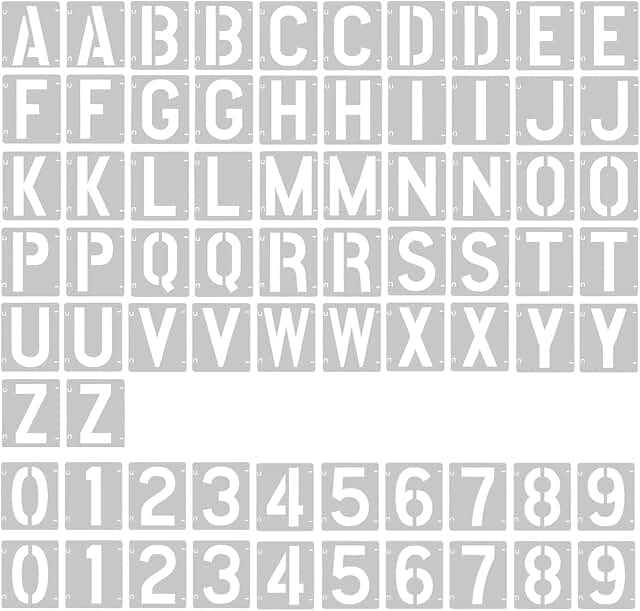
This set focuses on lettering with an interlocking design to align letters quickly, ideal for banners, signage, or wall quotes with a stone-textured backdrop. Best for: projects that require crisp typography alongside decorative stone textures. Limitation: Smaller letters may not be visible at a distance on very large surfaces; consider larger fonts for big spaces.
Large Stone Stencils for Tile Makeover 12×12

These 12×12 stencils, sold in a 2-pack, are designed for tile makeovers. They deliver a seamless cobblestone look suitable for floors, walls, or furniture. Best for: homeowners upgrading tile without removing existing surfaces. Limitation: The textured look depends on paint type and application technique; improper paint may blur edges.
Buying Guide
When choosing stone stencils for walls and surfaces, consider material, size, and reuse potential. Stone stencils should be durable, easy to clean, and highly reusable to justify the investment. Look for translucent PET or Mylar materials that let you place patterns precisely. Size matters: 12″ x 12″ works well for walls and large tiles, while 6″ or 2″ options fit furniture, panels, or lettering projects. Interlocking designs speed alignment and reduce misplacements. For floors, choose thicker, more rigid stencils to minimize bleed and ensure clean edges. Finally, assess whether the pattern options on a single stencil meet your design goals or if you’ll want multiple textures for variety.
Design and Surface Considerations
- Texture realism: A high-contrast stone pattern can resemble natural stone more closely on walls or floors.
- Surface preparation: Clean and dry surfaces prevent paint bleed and ensure stencil adhesion.
- Paint type compatibility: Use the right paint (acrylic, chalk, or latex) per surface for best results.
- Finishing touches: Sealing or topcoats preserve the look on wood and concrete surfaces.
Application Tips
- Secure stencils with low-tack tape to prevent shifting during painting.
- Use a stippling or light dabbing motion to avoid paint bleeding under the edges.
- Wipe brushes clean between colors to maintain crisp edges in multi-color designs.
- Test on a scrap area to confirm texture and color balance before full coverage.
What To Buy First?
- New to stenciling: Start with a single 12″ x 12″ stone stencil set for walls or large surfaces.
- Decorative accents: Choose 6″ stencils for furniture, panels, or small décor items.
- Text emphasis: Include interlocking letter stencils for headings or quotes on stone-pattern walls.
Maintenance And Longevity
Clean stencils promptly after use to maintain edge integrity. Use warm, soapy water for most PET and Mylar stencils, then air dry. Store flat to prevent warping, especially for multi-pattern sets. Reuse quality stencils allows continued value for future projects.
FAQ
- Are stone stencils reusable? Yes, most are made from durable PET or Mylar and can be used multiple times with proper cleaning.
- What surfaces can I stencil on? Walls, floors, tile, wood, fabric, and furniture are common options depending on stencil and paint type.
- Will stencil patterns look realistic on small walls? Yes, but large surfaces benefit from larger stencil sizes for better seamless appearance.
- Do I need special paint for stencils? Acrylic, latex, or chalk-type paints generally work well; choose a paint compatible with the surface and stencil material.
- How do I prevent paint bleed? Use light, dabbed applications and place stencils firmly; consider using a stencil adhesive for extra stability.
- Can I combine multiple stone textures in one project? Yes, interlocking or multiple stencil patterns can create layered, natural-looking textures.