Looking for the ideal stain to enhance pine floors while preserving natural grain and easy upkeep? These five options target pine or similar softwoods, offering color, protection, and ease of use. Best for DIYers seeking fast-drying formulas, low odor, and minimal preparation. This guide helps you compare color depth, application ease, and finish type to match your project goals and room environment.
Summary of selected products:
- Furniture Clinic Wood Stain, Antique Pine — Water-based, fast-drying, low odor; one-coat coverage in many cases.
- Varathane Total Control Ipswich Pine Gel Stain — Thick gel, minimal drips, low odor; great for vertical surfaces.
- SENVEN Wood Stain, Walnut — Water-based, non-toxic, enhances natural grain; quick-drying and low odor.
- Professional Wood Floor Restorer — Restores shine on worn floors; no sanding required for minor improvements.
- Minwax PolyShades Honey Pine — One-step stain and polyurethane; good for over existing finishes.
Furniture Clinic Antique Pine Wood Stain

Best for: DIY projects needing a quick, even color on indoor pine furniture and floors. Why selected: water-based formula dries to a natural matte finish in about 10 minutes, with good color penetration and even coverage. Cautions: single-coat coverage may be enough, but test on a small area to confirm depth before broader application.
Varathane Ipswich Pine Gel Stain
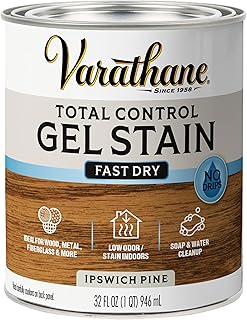
Best for: projects requiring precise application on vertical surfaces or trim. Why selected: a thick, no-drip gel formula reduces mess, and the water-based design keeps odor low. Cautions: gel stains can be harder to remove if a misstep occurs, so work quickly and wipe excess as needed.
SENVEN Walnut Wood Stain

Best for: owners seeking a natural, semi-transparent finish that highlights grain while adding color. Why selected: water-based, low VOC, and non-toxic formulation supports indoor use and family safety. Cautions: shake well before use to ensure even coloring; results depend on wood condition and prep.
Professional Wood Floor Restorer

Best for: reviving worn hardwood floors with minimal downtime. Why selected: restores shine and minimizes scratches without sanding; creates a transparent protective layer for dirt resistance. Cautions: not a substitute for major refinishing on heavily damaged floors; results depend on existing finish condition.
Minwax PolyShades Honey Pine

Best for: converting bare or finished pine with a one-step color and protective polyurethane layer. Why selected: combines stain and polyurethane in one product, reducing finishing time while delivering a satin finish. Cautions: oil-based formula may have longer odor and cure times; ensure adequate ventilation during use.
Buying Guide: Pine Floor Stain Essentials
- Surface readiness: Pine is a softwood that can absorb color unevenly. Prepare by cleaning, lightly sanding, and removing dust to prevent blotching.
- Finish type: Water-based stains are low odor and quick-drying, while oil-based options often deepen color and provide robust protection. Consider the room’s occupancy and ventilation needs.
- Application method: Gel stains work well on vertical surfaces and intricate trims; liquid stains suit broad, flat areas. Test a small area to gauge penetration and color depth.
- Durability and protection: If floors endure high traffic or pets, choose a product with durable topcoat or consider a separate polyurethane layer after staining.
- Color strategy: For pine, subtle warm tones usually enhance grain without overpowering the wood’s natural character. For darker rooms, darker pine shades can add depth; for brighter spaces, lighter pine colors keep the room airy.
- Maintenance: Some products require reapplication or buffing after years of wear. Check whether the finish is self-sealing or needs a topcoat for maintenance cycles.
Frequently Asked Questions
What stain is best for pine floors with visible grain?
Water-based stains like Antique Pine or Walnut tones work well for highlighting grain while keeping a natural look. Test on a sample area first.
Should I use a gel stain on pine floors?
Gel stains are useful for controlled color on vertical surfaces and trim, reducing runs. For large floor areas, liquid stains can be faster.
Is a topcoat required after staining?
Many products include a protective layer or require a separate topcoat to maximize durability on high-traffic floors.
Can I stain already finished pine floors?
Yes, some products are formulated to stain over existing finishes, but results depend on the current finish type and prep work.
Is pine staining safe for homes with kids or pets?
Choose water-based, low-odor, and non-toxic formulas to minimize exposure to fumes and VOCs during application and curing.
How long does staining pine take to cure?
Drying times vary by product; expect faster initial dry times for water-based stains and longer cure times for oil-based finishes.
Product Comparison Table
| Product | Finish Type | Best For | Notes |
|---|---|---|---|
| Furniture Clinic Antique Pine | Water-based | Indoor pine furniture and floors | Fast-drying, low odor; one-coat coverage possible |
| Varathane Ipswich Pine Gel Stain | Gel, water-based | Horizontal and vertical surfaces | No-drip formula; easy cleanup |
| SENVEN Walnut Wood Stain | Water-based | Decorative pine and furniture | Non-toxic, low VOC; enhances grain |
| Professional Wood Floor Restorer | Finish/Restorer | Worn floors needing shine | Requires no sanding; protects against minor wear |
| Minwax PolyShades Honey Pine | Oil-based stain + polyurethane | Bare or finished pine | One-step color and protection; satin finish |