Need a flexible, rubberized spray coating to seal leaks, protect gaps, or refresh undercoated areas? This guide highlights five top spray-on rubber films suited for DIY projects, auto maintenance, and home repairs. Best for a residential roof, RV, automotive needs, or interior detailing, these picks balance ease of use with durable, water-resistant results. Each product is evaluated for suitability, limitations, and who should choose it.
| Product | Best For | Key Benefit |
|---|---|---|
| Gorilla Waterproofing Spray | Home repairs, roofs, gutters | Flexible, UV resistant sealant |
| Plasti Dip Mult-Purpose | Moisture and corrosion protection | Non-slip, weather-stable coating |
| 3M Rubberized Undercoating | Vehicles, wheel wells, undercarriage | Multi-purpose undercoating with sound dampening |
| Chemical Guys Silk Shine | Interior/exterior detailing | Non-greasy, satin finish |
| Flex Seal Spray Rubber Sealant | Gutters, roofs, general leaks | Waterproof, flexible, paintable coating |
Gorilla Waterproofing Spray — Clear, Flexible Rubberized Sealant

Best for: Homeowners and DIYers sealing roofs, gutters, skylights, and other moisture-prone areas. This spray provides a flexible rubberized coating that stops leaks by sealing water, air, and moisture. The nozzle offers a controlled spray pattern for an even coat, and the self-leveling formula covers small gaps and cracks to form a watertight seal. Notably, it becomes temperature and UV resistant when dry, suitable for outdoor use.
Caution: Apply in a well-ventilated area and avoid prolonged skin contact. The coating dries clear, but surfaces with heavy ooze may require a second application for complete coverage.
Plasti Dip Mulit-Purpose Rubber Coating Spray Black 11oz

Best for: Projects requiring moisture, acid, and corrosion protection with a non-slip grip. This spray keeps coatings from cracking or becoming brittle in harsh weather, making it suitable for automotive trims, tool handles, and exterior accents. It is valuable when a durable, flexible layer is needed that remains usable in variable temperatures.
Limitation: May require multiple thin coats for full coverage on large surfaces. Ensure surfaces are clean and dry before application to maximize adhesion.
3M Professional Grade Rubberized Undercoating 16 oz
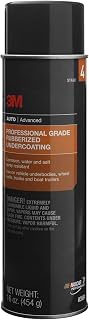
Best for: Automotive applications, especially vehicles needing sound dampening and protection in wheel wells, quarter panels, and under-hood areas. This asphalt-based undercoating provides a corrosion and water barrier and can help reduce road noise due to its rubberized texture.
Caution: This product is best used on clean, dry surfaces and in moderate weather. Follow safety instructions for ventilation and avoid inhaling fumes during application.
Chemical Guys Silk Shine Vinyl, Rubber & Trim Dressing

Best for: Interior and exterior detailing where a non-greasy, satin finish is desired. This spray restores and protects tires, vinyl, rubber, trim, and plastic surfaces, leaving a natural look and avoiding greasy sling on dashboards or panels.
Limitation: While versatile, it’s primarily a surface dresser and not a heavy-duty sealant for weatherproofing large gaps or leaks.
Flex Seal Spray Rubber Sealant Coating

Best for: Quick leaks around gutters, roofs, and general moisture barriers. This spray creates a waterproof, flexible, rubberized coating that is paintable and can seal cracks and holes. It’s suitable for outdoor projects where a fast, durable seal is needed.
Warning: Avoid applying to actively leaking areas that require structural repair. Multiple thin coats may improve durability in wider gaps.
Buying Guide
What to consider when choosing a spray-on rubber film:
- Purpose and surface: Choose a product designed for the target material (metal, plastic, wood, fabric) and environment (indoor vs outdoor).
- Durability and flexibility: Look for flexible, UV-resistant formulations for outdoor use and surfaces prone to movement or temperature changes.
- Ease of application: Consider nozzle control, spray pattern, and drying time for even coverage in hard-to-reach areas.
- Finish and appearance: Some products dry clear, others leave a satin or textured finish. Match to visibility and aesthetics.
- Safety and ventilation: Spray coatings require proper ventilation and protective gear; check the product label for cautions.
Practical buying questions
- Is a rubberized spray better than a traditional paint or sealant for leaks? In many cases, yes—rubberized films offer elasticity that helps seal gaps that may flex or move.
- Can these sprays be painted over later? Several products are paintable, which is useful for matching surface color after sealing.
- Will a rubberized coating stop water intrusion on roofs? It can form a watertight layer on small cracks, but larger structural leaks may require repair or professional assessment.
- Are these safe for use on vehicles? Some undercoatings are designed for automotive use and can help with corrosion protection; follow product guidelines for best results.
- Do these products require surface prep? Yes—clean, dry, and scuff the surface as needed to improve adhesion.
- How many coats are typically needed? Thinner coats are usually better to avoid runs; multiple light coats often yield the best coverage.
Frequently Asked Questions
- What surfaces can rubberized spray sealants be applied to? They work on metal, wood, plastic, concrete, and fabric when compatible with the product.
- Are rubberized coatings waterproof? Most provide water resistance and form a protective barrier, though performance depends on surface prep and weather.
- Can these sprays fix active leaks? They are effective for sealing small gaps and cracks but not for large structural leaks.
- Do I need gloves or ventilation? Yes, use gloves and ensure good ventilation during application and drying.
- Can I remove or restore coatings later? Some products allow peeling or repainting, while others may require solvent or mechanical removal; check product instructions.