If you’re looking for a reliable spray-on gloss varnish to protect acrylic artwork, this guide highlights five top options. These products are best for artists seeking a clear, high-shine coat that resists yellowing, dust, and moisture. Ideal buyers include beginners wanting easy, even coverage; hobbyists seeking quick-drying finishes; and professionals needing durable protection for mixed-media pieces. Below is a quick summary of the selected products to help you compare at a glance.
| Product | Best For | Main Benefit | |
|---|---|---|---|
| HOMY ARTY Acrylic Varnish Spray | General acrylic paintings | Unparalleled high-gloss with precise spraying | For best results, test on a sample before full use |
| Clear Acrylic Paint Sealer (Brush-On) | Brush-on preference | Fast-drying, non-yellowing, self-leveling | Brush-on, not spray |
| GRANOTONE High Gloss Varnish | Brush-on acceptable | Self-leveling, fast-drying, non-yellowing | Brush-on application may be slower for large pieces |
| Bluebird Signature Gloss Varnish | Pro artists and kids | Non-toxic, anti-crazing gloss | Requires adequate ventilation |
| Rust-Oleum Painter’s Touch 2X Ultra Cover | Indoor/outdoor, versatile | Oil-based, durable, quick-dry | Oil-based formula; ensure proper ventilation |
HOMY ARTY Acrylic Varnish Spray
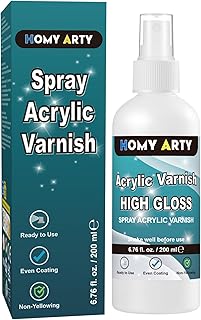
Best for: General acrylic artworks and mixed-media projects that benefit from a brilliant, high-gloss finish. This artist-grade spray provides a true-brilliance sheen and uses a nozzle designed for precise, even application, even into tiny corners. The finish helps protect clay, glass, wood, plastic, metal, fabric, paper, rocks, and ceramics after applying various acrylic paints.
Why selected: The combination of a high-gloss finish and a nozzle that minimizes brush marks makes it a strong all-around option for artists seeking a showroom-bright final look with controlled coverage.
Caution: Test on a scrap piece to dial in the spray distance and avoid over-application, which can lead to drips in crowded surfaces.
Clear Acrylic Paint Sealer

Best for: Artists who prefer a brush-on method or want a self-leveling clear coat for canvases, rocks, and wood crafts. This option complements brush techniques and provides a fast-drying, non-yellowing finish that stays clear over time.
Why selected: Its non-yellowing formula and quick-dry nature make it a practical choice for projects requiring speed and color fidelity, especially when brush application suits your workflow.
Caution: Brush strokes can occasionally appear if applied too thickly; apply thin, even coats and allow full cure between layers.
GRANOTONE High Gloss Varnish

Best for: Artists who want a brush-on option with fast drying and self-leveling properties for canvases, rocks, and clay crafts. It provides a high-gloss finish that remains non-yellow over time, making colors pop.
Why selected: Self-leveling quality reduces brush marks, which is useful for larger surfaces or pieces with broad color fields.
Caution: Brush-on application can be slower for larger works; plan multiple light coats rather than a single heavy coat.
Bluebird Signature Gloss Varnish
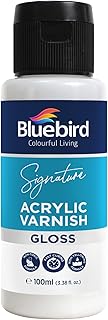
Best for: Pro artists and hobbyists seeking a non-yellowing, non-toxic gloss coating. Great for advanced works and kids’ projects alike, offering vibrant color retention.
Why selected: Non-toxic and anti-crazing properties support longer artwork life and safer use in shared spaces.
Caution: Ensure proper ventilation during application, especially in smaller rooms or with multiple coats.
Rust-Oleum Painter’s Touch 2X Ultra Cover

Best for: Projects requiring versatility across indoor and outdoor surfaces such as metal, wood, plastic, and masonry. The oil-based formula offers durable protection and broad compatibility.
Why selected: Combines fast dry times with durable protection and the ability to spray at any angle, which is helpful for complex shapes.
Caution: Oil-based finishes need adequate ventilation and may have longer odor presence; follow safety guidelines for use in enclosed spaces.
Buying Guide
What finish should you choose? Consider gloss level, drying time, and yellowing resistance. For mixed-media art, non-yellowing acrylics often provide the best color fidelity over time. If you need to coat textured surfaces or small crevices, a spray with a fine nozzle helps achieve even coverage without brush marks.
Spray vs. brush-on: Sprays deliver quicker coats and easier coverage for large areas, while brush-ons offer more control on tight details. Self-leveling formulas reduce brush marks in brush-on varieties, but spray options with a precision nozzle can produce near-flawless finishes with less setup.
Safety and surfacing: Oil-based finishes are durable and versatile but require ventilation and sometimes longer curing times. Water-based acrylic varnishes are generally easier to work with indoors and produce less odor. Always test on a small sample piece to check clarity, gloss level, and yellowing tendency over time.
Surface compatibility: Check compatibility with your base material (canvas, wood, clay, glass). Some products advertise protection for multiple substrates, but you may achieve the best results by pairing a compatible sealer with your specific medium.
Application tips: Use thin coats and allow full cure between passes. For high-gloss finishes, multiple light coats typically yield better results than one heavy coat. Avoid spraying in high humidity or dusty environments to prevent adhesion issues and dust entrapment.
FAQ
- What is the main difference between spray-on and brush-on varnishes? Spray-on varnishes provide quick, even coverage for large areas, while brush-ons offer more control on details. Both can achieve high gloss when applied correctly.
- Is a high-gloss varnish safe for use with kids’ art projects? Look for non-toxic formulas and proper ventilation. Some products marketed for kids have non-toxic ingredients and lower odor.
- How long should a spray varnish cure before handling the artwork? Cure times vary by product; follow the manufacturer’s guidelines. A full cure may take longer than a surface dry.
- Can spray varnishes yellow over time? Non-yellowing formulas minimize color shift, especially with acrylic-based products.
- Will varnish protect against UV damage? Many varnishes offer some UV protection, but for extended exposure, consider UV-filtering topcoats or framing choices in addition to a gloss varnish.
- What should I do if my spray leaves bubbles or runs? Apply in light, even coats and avoid spraying from too close. If runs occur, lightly sand after curing and recoat with a thin layer.