Finding the right slate gray floor paint involves balancing durability, indoor/outdoor use, and finish. This guide highlights five top options that suit DIYers, homeowners updating garages or porches, and professionals seeking long-lasting finishes. Each pick is explained with who it’s best for, why it stands out, and any notable limitations.
| Product | Best For | Finish | Surface |
|---|---|---|---|
| KILZ Low-Lustre Enamel Porch & Patio Latex Floor Paint, Slate Gray | Porches/Patios | Low-lustre enamel | Concrete/wood |
| KILZ 1-Part Epoxy Acrylic Concrete & Garage Floor Paint, Slate Gray | Garages And Basements | Satin | Concrete |
| Acrylic Concrete & Garage Floor Paint, Slate Gray, 1 Gal (SENVEN) | Basements & Driveways | Satin | Concrete |
| KILZ 1-Part Epoxy Acrylic Concrete & Garage Floor Paint, Silver Gray | High-Traffic Areas | Satin | Concrete |
| Glidden Porch And Floor With Cool Surface Technology Satin | Porches And Exterior Surfaces | Satin | Concrete/wood |
KILZ Low-Lustre Enamel Porch & Patio Latex Floor Paint, Slate Gray

Best for: Porches, patios, and other horizontal surfaces that demand a moisture-resistant, abrasion-resistant finish. This 100% acrylic latex formula provides durable protection for interior and exterior use, with a low-lustre enamel that hides minor imperfections and stays relatively easy to clean.
- Why selected: It balances weather resistance with a user-friendly latex base, suitable for DIY projects and residential settings.
- Limitations: Sealed surfaces may become slippery when wet; avoid areas subject to automotive tires.
KILZ 1-Part Epoxy Acrylic Concrete & Garage Floor Paint, Slate Gray

Best for: Garages and basements where a satin, tough surface is desired. The epoxy acrylic mix offers strong resistance to hot tire pickup, scuffing, and fading, making it a solid choice for high-traffic indoor floors.
- Why selected: Durable protection for concrete floors that face frequent vehicle movement and equipment use.
- Limitations: Not recommended for vertical surfaces or hydrostatic pressure areas; residential use only.
Acrylic Concrete & Garage Floor Paint, Slate Gray (SENVEN)

Best for: Basements, driveways, and porches requiring a versatile, affordable satin finish on concrete surfaces. Suitable for both indoor and outdoor horizontal areas.
- Why selected: Delivers long-lasting protection with a satin look, good balance of price and performance for multiple applications.
- Limitations: Not ideal for vertical surfaces or areas with hydrostatic pressure or forklift traffic.
KILZ 1-Part Epoxy Acrylic Concrete & Garage Floor Paint, Silver Gray

Best for: High-traffic indoor spaces like garages and basements that require a durable satin finish on concrete. This option is ideal for homeowners seeking a robust, easy-to-clean surface.
- Why selected: Epoxy acrylic blend offers resistance to wear and weathering, suitable for a range of concrete applications.
- Limitations: Not for vertical surfaces or hydrostatic pressure zones; residential use only.
Glidden Porch And Floor With Cool Surface Technology Satin
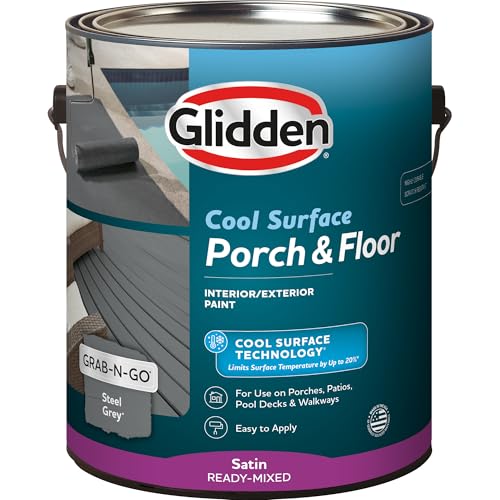
Best for: Porches, patios, pool decks, and walkways needing a durable satin finish with easier application. Glidden’s cooling technology aims to improve surface comfort under sun-exposed areas.
- Why selected: Easy to apply with a durable surface recommended for exterior use on larger outdoor areas.
- Limitations: Satin finish may show more imperfections on very rough concrete; consider surface prep for best results.
Buying Guide: Slate Gray Floor Paint — Key Considerations
- Indoor vs. outdoor use: Choose products specifically formulated for the environment to ensure moisture resistance and durability.
- Finish type: Low-lustre enamel and satin finishes provide different appearances and cleaning ease. Select based on traffic and maintenance preferences.
- Surface compatibility: Ensure the paint is suitable for concrete, wood, or other substrates present on your floor.
- Durability and wear: For garages and driveways, look for epoxy or epoxy-acrylic blends to resist tire pickup and abrasion.
- Safety and preparation: Note any slip risks when surfaces are wet, and follow surface prep guidelines for maximum adhesion.
- Maintenance: Consider cleanup, recoat times, and how often you may need to refresh the finish in high-traffic areas.
FAQ
- Q: Is slate gray the same across products? A: Shade can vary slightly by brand and batch; compare swatches and test a small area first.
- Q: Can I use porch paint on a garage floor? A: Some porch and patio paints are designed for interior/exterior use and work on concrete; verify surface compatibility on the product page.
- Q: How long does curing take before I can park on a painted floor? A: Curing times vary; some products allow foot traffic in 24–72 hours and vehicle traffic after several days. Always follow the label.
- Q: Are these products suitable for wood porches? A: Many porch paints are formulated for concrete or wood; check the surface recommendations on each product.
- Q: Do these paints require priming? A: Some 1-part epoxy or acrylic blends advertise no primer needed if properly prepared; otherwise priming improves adhesion.
- Q: Can I use these on vertical surfaces? A: Most listed products are designed for horizontal surfaces and are not suitable for walls or vertical applications.