Find the right silicon carbide rubbing block for smoothing concrete, dressing brick, or removing marks. This guide highlights top options and who they’re best for, so you can pick a block that fits your project size, grip preference, and finishing needs. The selections favor 20-grit and similar fluorished or fluted designs for fast material removal and effective surface dressing. Ideal buyers include DIY homeowners tackling small patches, professional masons needing efficient brick finishing, and contractors seeking reliable, long-lasting rub blocks for daily use. Below is a quick buying snapshot to kick off your decision.
| Product | Brand | Grit / Design | Best For |
|---|---|---|---|
| Bon Fluted Rub Brick | Bon | 20 Grit, Fluted | Detail work on rough concrete and masonry surfaces |
| Marshalltown Rub Brick | MARSHALLTOWN | 20 Grit, Fluted | Efficient cleaning and smoothing of concrete and brick |
| Seimneire Rub Brick with Handle | Seimneire | 20 Grit, Carbide Fluted | Versatile finishing on bricks and concrete |
| Ali Industries Gator Grit Rub Brick | Ali Industries | 8″ x 3-1/2″ x 1-1/2″, Fluted | Sturdy grip for larger surfaces |
| Bon Tile Setter’s 24 Grit Rub Brick | Bon | 24 Grit, Black Silicon Carbide | Tile setting prep and rough surface dress-down |
Bon Fluted Rub Brick – 6 in. x 3 in. x 1 in. 20 Grit

Best for compact, controlled work in tight spaces. The fluted surface helps aggressive cutting and fast material removal on concrete. The compact 6 in. by 3 in. by 1 in. size enables precise dressing, smoothing, and finishing on rough or uneven masonry surfaces. The comfortable handle supports extended use with reduced hand fatigue. This block is well-suited for detailed patches or edge work on small projects. A potential limitation is its smaller footprint, which may require more passes on larger areas.
Marshalltown Rub Brick, Fluted 20-Grit

Best for professionals and serious DIYers requiring reliable, consistent performance. The 20-grit fluted surface is optimized for cleaning and smoothing concrete and brick surfaces, with dimensions that offer solid control. The fluted design reduces drag and helps debris shed during use, improving overall efficiency. A caution: larger surfaces may demand more passes to reach a fully uniform finish.
Seimneire Rub Brick with Handle, 20-Grit

Best for versatile, mixed-use projects. Made with premium carbofrax material and a comfortable grip, this rub brick supports long-term, reliable performance for professional contractors and DIY users. It’s well suited for cleaning bricks, finishing concrete, and removing form marks, especially on rough surfaces. Limitation: higher-end materials can come with a higher price point relative to basic bricks.
Ali Industries Gator Grit Rub Brick 8″ x 3-1/2″ x 1-1/2″

Best for larger surfaces requiring solid grip and steady control. The 8 by 3-1/2 by 1-1/2 inch rub brick includes a handle and features a fluted silicone carbide abrasive. It’s suitable for cleaning bricks, dressing concrete, and removing marks on rough surfaces. A potential limitation is bulkier size, which may be less maneuverable in tight corners.
Bon Tile Setter’s Black 24 Grit Rub Brick
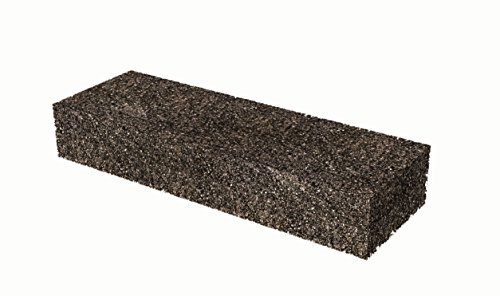
Best for tile setting prep and initial rough dressing. This brick uses a 24 grit black silicon carbide surface to help prepare surfaces prior to finishing, providing efficient material removal. It’s a good choice where a slightly finer abrasion is desired after initial shaping. Limitation: not ideal for heavy concrete removal where a coarser grit would outperform.
Buying Guide
Key considerations help buyers select the optimal silicon carbide rubbing block for their project scope.
- Grit size and surface design: Coarser grits (e.g., 20–24) remove material quickly on rough surfaces; finer grits are better for finishing and smoothing.
- Block size and grip: Smaller blocks offer precision in tight areas, while larger blocks cover more surface area but may be heavier to handle.
- Material durability: Fluted or carbide-enhanced surfaces provide longer life and better debris removal, essential for frequent use.
- Intended use: Concrete dressing, brick cleaning, form-mark removal, or tile prep each benefit from slightly different grit and block geometry.
- Ergonomics: Handles and weight influence comfort during extended sessions and reduce user fatigue.
- Compatibility with project type: For dense masonry or hard surfaces, select blocks with robust carbide formulation; for softer surfaces, a standard silicon carbide may suffice.
FAQ
- What is silicon carbide used for in rubbing blocks?
It provides a hard, sharp abrasive surface that efficiently removes material and helps create a smoother finish on concrete, brick, and tile substrates. - Which grit is best for initial surface dressing?
A 20–24 grit is typically preferred for rapid material removal and initial dressing on rough concrete or brick surfaces. - Are fluted rub bricks better than smooth ones?
Fluted designs reduce drag and help debris clear more quickly, improving efficiency on uneven surfaces. - Can I use rubbing blocks on tile prep?
Yes, some blocks with finer grit are suitable for tile prep, but ensure the grit matches the required finishing step to avoid gouging. - How should I maintain rubbing blocks to extend life?
Clean the block after use, store in a dry place, and avoid excessive bending or dropping to maintain edge integrity. - What size rubbing block should I choose for corners?
Smaller blocks (around 6 in. or less) are better for detailed work in corners and tight spaces.