Finding the right semi-transparent interior wood stain means balancing color depth, ease of use, and low odor. This guide highlights five top options that work well on interior furniture, cabinets, doors, and trim. Each product is described for a specific buyer type—whether you want quick results, long-lasting protection, or a lighter, grain-friendly finish. The table below helps you compare key attributes at a glance.
| Product | Best For | Finish Type | Base | Notes |
|---|---|---|---|---|
| Varathane 381119 Dark Walnut | DIYers seeking a single-coat depth | Semi-transparent | Water-based | Low odor, fast-drying |
| Minwax Fruitwood Wood Finish | Furniture and cabinets requiring even color | Oil-based, semi-transparent | Oil | Rich color, quick initial dry |
| Cabot Semi-Transparent Wood Stain + Sealer, Cedar | Outdoor-adjacent interiors or high-traffic interiors | Semi-transparent | Oil-based | One coat, protective color |
| Minwax True Black Wood Finish | Accent pieces needing dramatic grain contrast | Semi-transparent | Water-based | One-coat color |
| Minwax Classic Gray 271 | Renovating gray-toned interiors | Semi-transparent | Oil-based | Deep gray with wood grain visibility |
Varathane 381119 Water Based Wood Stain, Dark Walnut

Best for interior projects where a single coat delivers a rich, natural look. This water-based stain uses advanced pigments to enhance wood grain while keeping odor and VOCs low. It dries quickly, and you can darken the shade with additional coats. Choose this when you want a fast, easy finish on cabinets, furniture, or trim with minimal cleanup.
Who it’s best for: hobbyists and homeowners prioritizing low odor and quick turnaround. Why selected: a balance of depth, readability of grain, and simple application. Caution: may require blotching on certain softwoods; apply evenly and consider a preconditioner if needed.
Minwax Fruitwood Wood Finish

An oil-based semi-transparent stain that penetrates deeply for durable color. It’s well suited for interior furniture, cabinets, and doors where a warm, natural grain is desired. It dries relatively quickly to reduce project downtime and allows multiple coats for richer tones. Best for projects that benefit from strong color depth and grain accent.
Who it’s best for: woodworkers needing a traditional oil-based finish with robust color. Why selected: deep, even color in one coat; quick shallow dry time. Caution: oil-based products may require mineral spirits for cleanup and can have stronger odor than water-based products.
Cabot Semi-Transparent Wood Stain + Sealer, Cedar
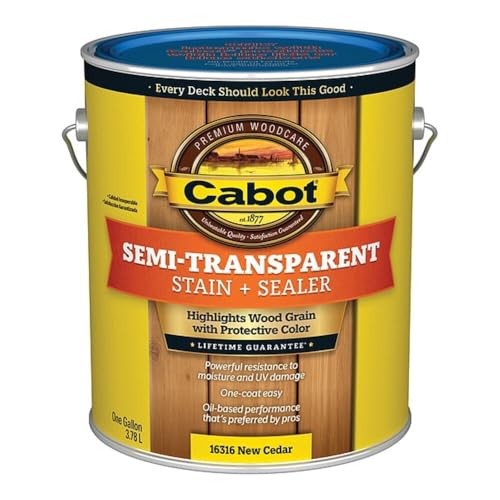
Designed to provide long-lasting color with protection, Cabot’s semi-transparent stain also acts as a sealer. This oil-based formula highlights wood grain while offering moisture and UV resistance. It’s ideal for interior wood with potential exposure near windows or areas with higher humidity. One-coat performance speeds up completion times.
Who it’s best for: homeowners needing durable color with a protective layer in interior spaces. Why selected: strong grain enhancement plus sealer properties in one coat. Caution: oil-based finishes can take longer to cure fully and may require longer ventilation during application.
Minwax True Black Wood Finish

A water-based semi-transparent stain that creates a bold, black hue while preserving wood grain. It dries quickly and offers a one-coat color option, making it suitable for quick updates on furniture and trim. Best for adding modern contrast to lighter woods.
Who it’s best for: designers or DIYers seeking a dramatic, grain-friendly black finish. Why selected: one-coat color with visible grain; faster cleanup. Caution: darker stains may highlight surface imperfections; ensure smooth sanding and even application.
Minwax Classic Gray 271

This oil-based semi-transparent stain provides a gray finish that preserves wood grain, making it ideal for refreshes on furniture or cabinetry seeking a modern, gray palette. It dries in a couple of hours and allows re-coats for deeper tone. Best for achieving a contemporary look without concealing natural textures.
Who it’s best for: interior designers and DIYers aiming for a modern gray tone. Why selected: strong grain visibility with a stylish gray finish. Caution: oil-based stains require proper ventilation and longer cure times than water-based options.
Buying Guide: How To Choose The Right Semi-Transparent Interior Stain
What’s the difference between water-based and oil-based?
Water-based stains deliver lower odor, quicker dry times, and easier cleanup. They are better for indoor spaces with limited ventilation. Oil-based stains tend to provide richer color depth and deeper penetration but require solvents for cleanup and longer cure times.
How to pick the right color and depth?
Semi-transparent stains emphasize wood grain while adding color. For cabinets and furniture, lighter woods benefit from true-to-tone colors like gray or cedar, whereas darker woods look rich with walnut or black tones. Always test on a scrap piece or inconspicuous area first.
Surface preparation matters
Sand to a smooth, uniform surface, remove dust, and consider a wood conditioner for softwoods or blotchy species. Proper prep ensures even absorption and reduces streaking, especially with oil-based stains.
Application tips for consistent results
Work with the grain, apply thin coats, and wipe off excess per product directions. For faster results with water-based stains, work on a warm, dry day. For oil-based stains, allow longer cure times between coats and use appropriate ventilation.
Durability and protection considerations
Schedules for recoat vary by product; some offer sealing properties in one coat, others require a separate topcoat. If moisture or high-traffic surfaces are involved, choose a product that provides additional protection against wear and UV exposure.
Choosing the right product for interior projects
Consider project type (furniture, cabinets, trim), desired look (grain-rich vs. solid color), and cleanup preferences. Water-based stains are often preferred for interiors requiring low odor, while oil-based options excel in deep color and durability.
FAQ
- Q: Do semi-transparent stains hide wood grain?
- A: They highlight wood grain while adding color; full concealment requires solid stains or paints.
- Q: Can I apply semi-transparent stain over existing finishes?
- A: Yes, with proper cleaning, sanding, and in some cases a conditioner or primer, depending on the substrate.
- Q: How many coats should I apply for deeper color?
- A: Usually 1–2 coats are sufficient; adding coats darkens the color and deepens depth.
- Q: Is cleanup easier with water-based stains?
- A: Yes, water-based stains clean up with soap and water, and often have lower odor.
- Q: Do these products require topcoats?
- A: Some include sealing properties; many require a separate topcoat for maximum protection, depending on use and exposure.