Looking for a sealer that protects painted furniture without altering color or feel? This guide identifies five top sealers that work well on painted surfaces, cabinets, and decorative pieces. Each option is chosen for ease of use, low odor, and reliable protection. Best for DIYers seeking a clear, durable finish; best for crafters needing a quick-dry option; and best for professionals seeking long-lasting durability for indoor use.
Summary table of chosen products:
| Product | Brand | Best For | Notes |
|---|---|---|---|
| Jolie Finishing Wax | Jolie | Interior furniture, cabinets; easy odor-free application | Wax finish; 8–hour dry time between coats |
| Clear Coat – Eco-Friendly Satin | Country Chic Paint | Chalk style furniture; indoor/outdoor use | Low VOC; durable satin finish |
| Finishing Wax Furniture – 7 oz | BBTO | Interior furniture; multipurpose wax | Includes brush; clear finish |
| Wood Finishing Wax – 3.5 Oz | DWIL | Natural, eco-safe sealing for wood and floors | Plant-based formula; protects indoors/outdoors |
| Amy Howard Matte Sealer (16 oz) | AMY HOWARD AT HOME | Painted furniture; clear matte topcoat | Water-based; zero VOC |
Jolie Finishing Wax – Protective Topcoat
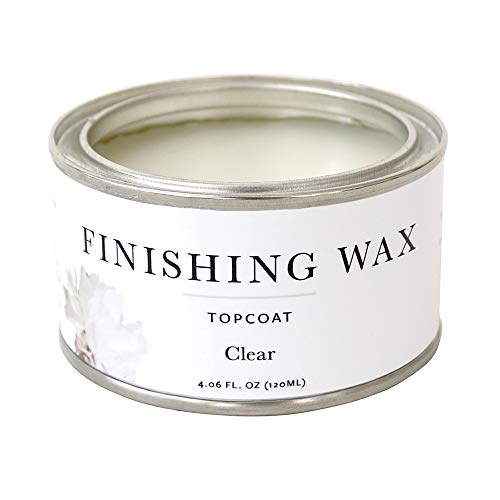
Best for: Interior furniture, cabinets, and home decor where a clear, non-yellowing wax coat is desired. Jolie’s wax provides durable protection for painted, stained, or raw wood surfaces with an odor-free application process.
- Application: 1–2 coats with a wax brush or soft cloth; allow 8 hours between coats.
- Coverage: A small amount goes a long way; available in 120 ml for small projects or 500 ml for larger jobs.
- Limitations: Wax may require periodic maintenance on high-use surfaces.
Why selected: This wax is a straightforward option for people who want a protective topcoat without strong fumes. It suits DIYers finishing cabinets or stylish interior pieces where a clear wax finish is preferred.
Clear Coat – Eco-Friendly Satin

Best for: Chalk-style furniture and projects that require a durable, non-yellowing satin finish for indoor or outdoor use. Eco-friendly formula with ultra-low VOC supports smart, low-odor sealing.
- Finish: Satin sheen; enhances painted wood with a modern look.
- Durability: Strong coverage suited for small repairs and craft projects.
- Limitations: Best applied in thin coats; thick layers can affect clarity.
Why selected: The eco-friendly profile makes it attractive for spaces where odor and fumes matter, while still delivering a reliable topcoat for painted furniture.
Finishing Wax Furniture Kit
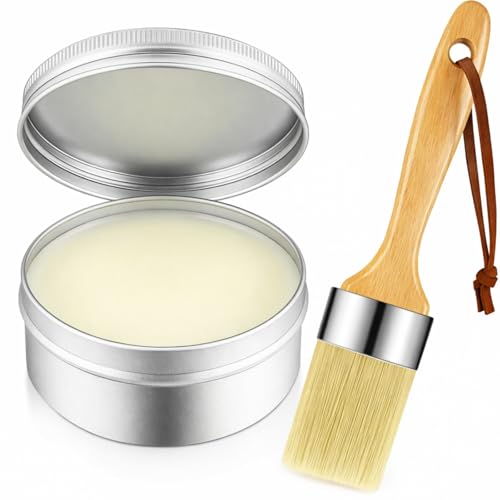
Best for: Interior furniture projects needing a clear wax finish with a paint brush included. The kit provides a straightforward, all-in-one solution for a glossy protective layer on painted surfaces.
- Components: 7 oz wax plus a brush for convenient application.
- Application: Simple, circular strokes; buffs to a protective shine when dry.
- Limitations: Wax may require reapplication over time on high-use areas.
Why selected: Combines wax and brush in one package, making it ideal for quick, beginner-friendly sealing for various painted pieces.
Wood Finishing Wax – Natural Formula

Best for: Eco-conscious shoppers seeking a natural, plant-based wax for sealed wood surfaces and floors. This product emphasizes a non-toxic, environmentally friendly approach.
- Formula: 100% natural; carnauba and beeswax with plant-based oils.
- Protection: Deeply nourishes and protects painted or raw wood; helps restore grain.
- Limitations: May require more effort to achieve high-gloss finishes compared to synthetic waxes.
Why selected: The natural composition appeals to buyers prioritizing environmental sustainability while delivering durable sealing properties for interior wood projects.
Amy Howard Matte Sealer

Best for: Painted furniture and cabinets where a clear matte topcoat is desired. Ideal for surfaces that benefit from a vintage or sophisticated matte look without shine.
- Finish: Water-based clear matte topcoat; zero VOC.
- Versatility: Works on painted wood, concrete, and metal surfaces.
- Limitations: Matte finish may highlight surface imperfections more than a glossier seal.
Why selected: A reliable matte topcoat option that preserves the look of painted pieces while offering durable protection and low odor.
Buying Guide: Key Considerations When Sealing Painted Furniture
What should you evaluate before buying a sealer for painted furniture?
- Finish type: Do you want a matte, satin, or gloss look? Your choice affects the final appearance and maintenance.
- Ventilation and odor: Low VOC and odor-free formulations are preferable for indoor spaces and enclosed rooms.
- Durability: Consider indoor vs. indoor/outdoor use, high-traffic areas, and exposure to moisture or sunlight.
- Drying times: Some products require multiple coats with long intervals; plan project timelines accordingly.
- Ease of application: Wax-based sealers are forgiving for beginners; water-based sealers often dry quickly and clean easily.
- Coverage: Larger projects benefit from products with higher sq. ft. coverage per can; smaller samplings fit craft work.
- Surface compatibility: Ensure the sealer is suitable for painted surfaces and the underlying wood or substrate.
FAQ
- Q: Can I apply a sealer over chalk paint? A: Yes, many sealers are designed for chalk-style finishes and provide a protective topcoat without altering color.
- Q: Are water-based sealers safe for children and pets? A: Water-based, low-VOC sealers typically emit fewer odors and are safer for indoor spaces.
- Q: How many coats should I apply? A: Most sealers require 1–2 coats with drying time between applications; follow product guidelines.
- Q: Will sealing change the color of my painted furniture? A: Clear sealers are designed to preserve color; some waxes may impart a slight sheen or amber tone over time.
- Q: Is waxing better than sealing with a polyurethane? A: Wax provides a soft, natural look and easier repair; polyurethane offers stronger durability and water resistance.
- Q: How do I remove a sealer if I don’t like the result? A: Use appropriate solvent or guidance from the sealer’s manufacturer; sand lightly if needed.