For travertine tile, a penetrating sealant that protects against water, stains, and etching is essential. This guide highlights five top options that balance penetration, durability, and ease of maintenance. The best picks are suited for different buyers: homeowners seeking simple, long-lasting protection; DIY enthusiasts needing easy application; and those prioritizing slip resistance or grout protection. Below is a quick buyer’s table to compare the five products at a glance.
| Product | Best For | Key Benefit | Size |
|---|---|---|---|
| Miracle Sealants 511 Impregnator (Pint) | General indoor/outdoor travertine projects | Invisible barrier, water and stain resistance | Pint |
| Miracle Sealants 511 Impregnator (Quart) | Larger areas and interior/exterior use | Weather resistant, interior & exterior use | Quart |
| Black Diamond Stoneworks Natural Stone and Grout Sealer (Shower Sealer) | Showers and heavy-use stone/grout | Long-lasting protection up to 10 years | 1 Quart |
| Miracle Sealants 511 Porous Plus (Quart) | Porous stone and tile surfaces | Superior stain protection, excellent coverage | Quart |
| Miracle Sealants 511 Anti-Slip Treatment (Quart) | Slippery stone floors and showers | Increases slip resistance | Quart |
Miracle Sealants 511 Impregnator, Pint

This penetrating sealer forms an invisible barrier that blocks water and many stains on travertine, marble, granite, tile, and grout. It is suitable for both indoor and outdoor use and works on a range of surfaces including glazed tile, porcelain, and terrazzo. Best for customers who want long-lasting, low-maintenance protection that remains invisible on the surface.
- Best for: Travertine, marble, and other natural stones in kitchens, bathrooms, and entryways.
- Why selected: Wide surface compatibility and water resistance help preserve natural color and texture without altering appearance.
- Caution: Reapplication may be necessary over time, especially in high-traffic areas.
Miracle Sealants 511 Impregnator, Quart

This quart-size version is designed for larger projects or ongoing sealing needs. It shares the same interior/exterior versatility and weather resistance, providing durable protection for travertine, tile, and grout. It’s a good choice when you want to seal a larger area with a single application.
- Best for: Larger kitchens, bathrooms, or outdoor pathways paved with travertine or stone.
- Why selected: Higher coverage per gallon reduces reapplication frequency.
- Caution: Applicator tools and ventilation are important for proper curing indoors.
Black Diamond Stoneworks Natural Stone and Grout Sealer (Shower Sealer)
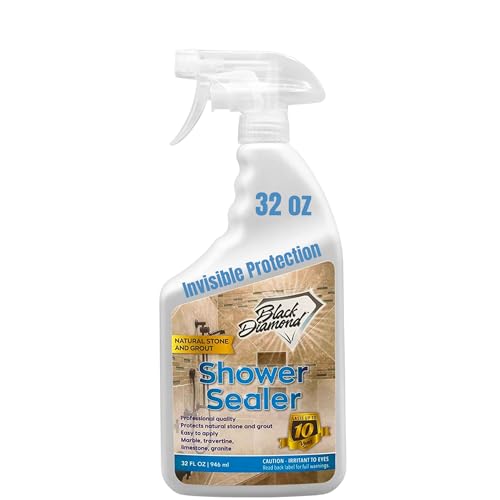
This shower-focused sealer protects stone and grout against water and soap scum, making cleaning easier. It helps preserve the natural look and texture of travertine and other stones. Best for bathrooms and wet areas where moisture exposure is consistent.
- Best for: Showers, steam rooms, and moist environments with travertine or limestone.
- Why selected: Long-lasting protection against water intrusion and buildup—up to 10 years in some conditions.
- Caution: Some users report re-sealing intervals based on water exposure and cleaning methods.
Miracle Sealants 511 Porous Plus Premium Sealer (Quart)

Porous Plus is designed for more challenging stone and tile surfaces, offering superior stain protection and broader coverage. It’s a strong choice for travertine with visible porosity or areas prone to staining from spills. Best for: high-porosity stone, grout lines, and high-traffic zones.
- Best for: Porous stone surfaces like travertine, limestone, and certain tiles.
- Why selected: Stronger stain resistance improves long-term maintenance needs.
- Caution: May require more careful application to avoid over-saturation in dense textures.
Miracle Sealants 511 Anti-Slip Treatment for Tile and Stone Surfaces (Quart)
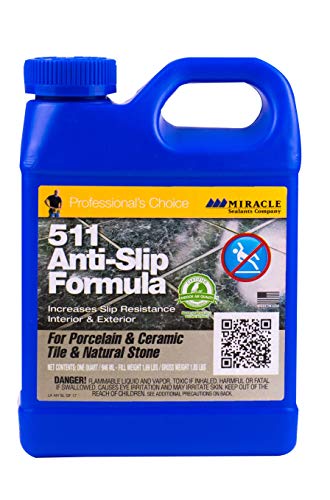
This treatment is designed to increase slip resistance on stone and tile in interior and exterior applications. It helps reduce slickness on travertine, marble, granite, and other natural stones without masking their natural look. Best for: floors and showers where slip risk is a concern.
- Best for: Wet areas and high-traffic zones requiring better traction.
- Why selected: Improves safety on surfaces that can become slick when wet.
- Caution: Anti-slip performance can vary with surface texture and maintenance routine.
Buying Guide
What should I seal on travertine?
Seal natural stone surfaces like travertine, marble, and limestone, plus their grout lines, to prevent water intrusion and stains. Porous stones benefit most from penetrating sealers with long-lasting protection.
What is the difference between a penetrating sealer and an enhancing sealer?
A penetrating sealer blocks liquids beneath the surface without altering color. An enhancing sealer adds depth and richness to the stone’s appearance while providing protection. Choose based on whether you want the original look preserved or slightly intensified.
How often should I reseal travertine?
Reapplication frequency depends on use, stone porosity, and exposure. High-traffic kitchens or outdoor areas may require more frequent resealing than bathrooms with moderate use.
Is slip resistance important for stone floors?
Yes. For tile and stone floors in bathrooms, entryways, or pool decks, anti-slip treatments can reduce the risk of slips, especially when wet. Consider this alongside stain protection.
How do I choose between pint, quart, or larger sizes?
Pint is suitable for small projects or repairs; quart covers larger areas with fewer applications. For extensive installations, balance cost with coverage per coat and reapplication frequency.
What about indoor vs outdoor use?
Some sealers are labeled for indoor and outdoor use, offering weather resistance for exterior stone. If your travertine is exposed to weather, select a sealer with exterior-rated protection.
FAQ
- Q: Can I apply these sealers to already polished travertine? A: Yes, many are designed for sealed and unsealed stone, but always follow product guidelines and test a small area first.
- Q: Do these products affect the color of travertine? A: Penetrating sealers typically do not change color; enhancing sealers may subtly enrich tone.
- Q: How long does sealing take to cure? A: Curing times vary; follow manufacturer instructions for air-drying times before exposure to moisture.
- Q: Are these sealers safe for kitchen counters and food areas? A: Most are listed for interior use and some specify safe applications around food areas; verify on the label.
- Q: Can I seal grout with these products? A: Some products are suitable for grout; check the label to confirm compatibility with grout sealing.
- Q: Do I need multiple coats? A: Some surfaces benefit from a second coat for full coverage; follow the product’s guidance on reapplication intervals.