Answering the need for compact, maneuverable sanding tools, these detail sanders are designed to fit tight spots while delivering solid results. Ideal for DIYers, hobbyists, and small-project pros, these options emphasize reach, dust control, and easy accessory changes. The top picks include versatile 4‑in‑1 models, USB-rechargeable pens, and micro-detail kits. This guide highlights who each product is best for and why it stands out in limited spaces, with a quick buying table to compare key points at a glance.
| Product | Best For | Key Benefit |
|---|---|---|
| SKIL Corded Multi-Function Detail Sander | General detail work, tight corners | 4‑in‑1 with multiple attachments for contours |
| WEN 6307 Detailing File Sander | Delicate edges, small profiles | Variable speed belt, auto-tracking |
| Bucasso Cordless Pen Sander | Polishing in tight spaces | USB charging, 8 heads, 15 sheets |
| HYCHIKA Detail Sander | Paint removal and rust stripping | Efficient dust collection, compact |
| Giwiemi Micro Detail Sander Kit | Micro finishing, hard‑to‑reach areas | Color‑coded grits, 100 pcs |
SKIL Corded Multi-Function Detail Sander
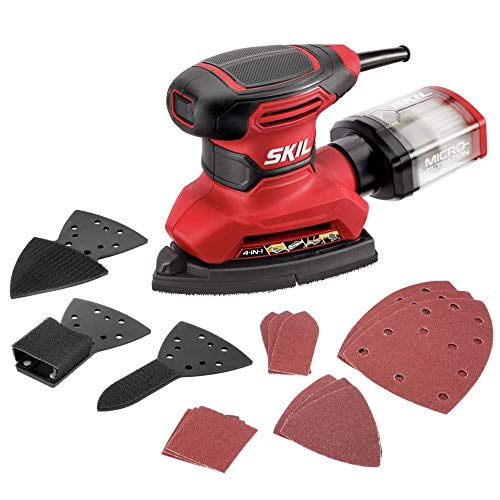
The SKIL SR232301 is a compact, corded 4‑in‑1 detail sander designed for tight spots and precise finishing. It combines 1.2 amps of power with a fast 13,500 orbits per minute, delivering smooth results across small surfaces, trim work, and corners. This model is best for buyers who want a stable, reliable corded option with interchangeable detail attachments that don’t require tools to swap. The built‑in micro‑filtration dust box plus a 1‑1/4″ dust port offers flexible dust control for shop cleanliness. A caution: as a corded tool, it limits mobility in far‑out spaces or areas without outlets.
Who it’s best for: hobbyists and DIYers who frequently work on baseboards, window frames, and furniture edges where consistent power and quick attachment changes matter. Why selected: its 4‑in‑1 versatility and included attachments help cover most small-space tasks without needing multiple dedicated tools.
Key features and considerations
- Power: 1.2 A motor for smooth sanding across fine and light‑duty tasks.
- Attachments: Includes three detail attachments for narrow edges and contours; tool‑less changes speed workflow.
- Dust handling: Micro‑filtration dust box plus a separate dust port for vacuum integration.
- Best for: Sanding tight corners, cabinetry edges, and small surface contours.
- Limitations: Corded design restricts use where outlets aren’t available or where a cord is cumbersome.
WEN 6307 Variable Speed Detailing File Sander
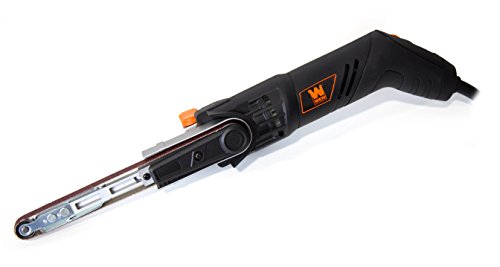
The WEN 6307 focuses on precision with a belt that runs 1080–1800 feet per minute and an auto-tracking system that requires no belt tensioning. Its 50° range of motion and 1/2‑by‑18″ belt help users reach awkward angles and tight profiles. This option is best for small projects requiring adjustable belt tracking and a flexible belt orientation. A potential drawback is the learning curve of belt tracking if you’re new to belt sanders.
Who it’s best for: detail-focused hobbyists and crafters who need adjustable belt angles and a compact belt sander for corner work. Why selected: the auto-tracking and variable belt speed deliver grip on delicate curves while reducing setup time.
Key features and considerations
- Variable speed: 1080–1800 fpm for versatile material handling.
- Auto‑tracking belt: No tensioning or manual adjustments required.
- Pivoting capability: 50° with 55° bend for challenging angles.
- Best for: Tight joints, curved edges, and small craft surfaces.
- Limitations: Sandpaper choices are limited to belt sizes compatible with this model.
Bucasso Cordless Pen Sander

The Bucasso cordless pen sander is a compact, multi‑purpose tool that excels in detailing and finishing work in hard‑to‑reach areas. It features USB charging, a set of eight grinding heads, and 15 sanding sheets to cover a range of tasks from polishing to light material removal. The model shines where mobility trumps power, especially in narrow corners or inside cabinets. A caution: battery life can limit extended, heavy use without breaks.
Who it’s best for: crafters and model makers needing mobility and quick head changes for tiny spaces. Why selected: combination of 8 heads and USB charging makes it highly adaptable for on‑the‑go detailing.
Key features and considerations
- Multipurpose: 8 heads plus 15 sheets for polishing and finishing in tight spots.
- Stepless speed: Fine control across a wide rpm range for delicate work.
- Compact, light form: Easy maneuverability in cramped projects.
- Best for: Detailing in corners, edges, and small decorative pieces.
- Limitations: Lower power compared to corded models; plan for shorter sessions.
HYCHIKA Detail Sander

The HYCHIKA 14,000 OPM detail sander focuses on quiet operation with a 1.6-amp motor and a 6‑hole dust collection system. It is designed for small spaces like windowsills, door frames, and metalwork surfaces where paint stripping or rust removal is needed without creating a mess. The included dust collection helps keep work areas cleaner, which is useful in kitchens or living rooms. A caution: the dust bag system may be less efficient than a powered vacuum for larger debris loads.
Who it’s best for: homeowners and DIYers tackling light refinishing and paint removal in tight areas. Why selected: strong performance in small footprints with practical dust management.
Key features and considerations
- Low noise, sufficient power for detail tasks.
- Dust management: 6‑hole system plus a dust bag.
- Included sanding sheets in multiple grits for immediate use.
- Best for: Small paint removal jobs and trim work in tight spaces.
- Limitations: Not ideal for heavy material removal or very large projects.
Giwiemi Micro Detail Sander Kit

The Giwiemi micro detail sander kit provides a robust 100-piece paper assortment (60–800 grit) with a 3‑color grit coding system for quick grit recognition. It includes a compact sanding block and heavy‑duty hook & loop backing for fast paper swaps. This kit is well suited for precision finishing and hard‑to‑reach spaces on wood, crafts, and small furniture projects. A caution: the color‑coding helps speed grit choice but requires familiarity to maximize efficiency.
Who it’s best for: professionals and serious hobbyists who need a wide grit range and fast paper changes for micro finishing. Why selected: extensive paper set and color-coded grits reduce guesswork in tight work zones.
Key features and considerations
- Comprehensive grit range: 60–800 for shaping to finishing.
- Color-coded grits: Red, Black, and Yellow provide quick identification.
- Premium hook & loop backing: Secure and quick paper changes.
- Best for: Detailed woodwork, crafts, and small repairs.
- Limitations: The kit focuses on micro detail tasks; larger stock removal needs a larger sander.
Buying Guide: How to Choose the Right Sander For Small Spaces
Key questions to ask when evaluating these compact sanders include: Do you need corded or cordless convenience? How important is dust control for your space? Are you sanding edges, corners, or flat profiles? Consider motor power, attachment versatility, and abrasive media availability. For dust management, models with built‑in micro‑filtration or dedicated dust ports work best in enclosed spaces. If you work within limited outlets, cordless options with extended battery life help maintain momentum. For frequent small‑area tasks, a kit with multiple grits and hook‑and‑loop backs provides the fastest workflow.
What to prioritize by use case
- Tight corners and edges: Look for 3‑in‑1 or multi‑attachment models with compact head shapes.
- Low dust environments: Choose dust bags or vacuum‑ready ports and micro‑filtration options.
- Low noise and vibration: Prioritize ergonomics and vibration control for long sessions.
- Portability: Cordless pens or light blocks offer superior reach in cabinets or furniture builds.
- Replacement media: Ensure a wide range of grits and compatible backing for quick changes.
Frequently Asked Questions
- What is the best sander for very tight spaces? – A small, detail-oriented sander with a compact head and multiple attachments is typically best for tight corners and contours.
- Are cordless sanders worth it for small projects? – Yes, for mobility and access in cabinets or around furniture without nearby outlets.
- How important is dust collection in small spaces? – Very important; good dust control reduces cleanup and improves visibility while working.
- Can I use standard sanding sheets on detail sanders? – Most detail sanders use hook‑and‑loop backing; check compatibility with backing size and grit range.
- What grits should I stock for tiny projects? – A wide range from 60 to 800 is useful for shaping, smoothing, and finishing in confined areas.
- Is a belt sander better than a detail sander for small spots? – Detail sanders are generally better for edges and curves; belt sanders remove material quickly but are less controllable in tight spots.