For precise detailed work in tight spaces, choose compact sanding sticks or mini detail sanders that can reach narrow grooves without marring surrounding surfaces. This guide highlights five compact options that excel at small grooves, edges, and model detailing. Best for hobbyists, miniatures, model makers, and DIYers who need control in tight spots.
The top picks below are selected for precision, ease of use, and versatility in narrow areas. Each product is ideal for small grooves in wood, plastic, or craft projects. The quick-reference table summarizes key traits to help buyers compare at a glance.
| Product | Best For | Grit Range | Notes |
|---|---|---|---|
| Sanding Sticks 50 Pcs — Warmtree | Corners and tiny edges | 120/280 | Dual-ended, matches tight spaces |
| JEJIEFI Sanding Sticks 60PCS | Plastic models and hobby detailing | 120/280 | 3 shapes per end for precision |
| TOVPADE 54PCS Premium Micro Sander | Detail sanding in tight nooks | 80/800 | 3-color grit system for quick identification |
| POLIWELL Micro Sander Kit | Small projects and narrow spaces | 80/400 | Mini handle, comfortable grip |
| LVANJI 90PCS Micro Detail Sander Kit | Wide grit range for final finishing | 60–400 | Ergonomic mini sanding blocks |
Sanding Sticks 50 Pcs — Warmtree
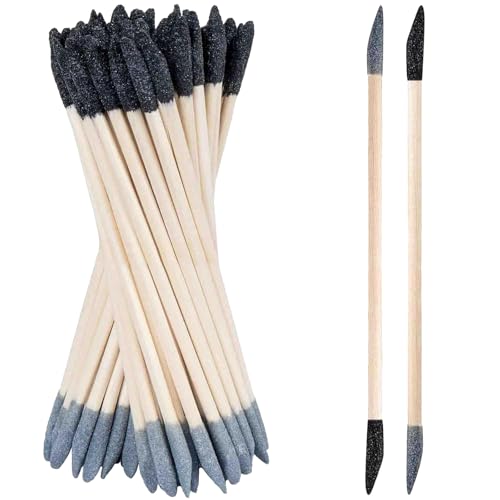
Best for tight corners and small edges. The set includes 50 durable sanding sticks measuring 5.4 x 0.2 inches, with dual ends for quick grit switching. 120-grit (black) handles rough shaping, while 280-grit (gray) provides fine polishing. The matchstick design reaches narrow spaces in model detailing, jewelry, and decorative woodwork.
Who it’s for: hobbyists and model makers who need quick access to both rough and fine sanding in one compact tool. Why selected: its dual-ended design and compact size are ideal for frequency use in small grooves. Caution: avoid over-flexing on extremely delicate surfaces to prevent gouging.
JEJIEFI Sanding Sticks 60PCS

Designed for detailed work on plastic models and wood, these double-ended sticks are 5.4 x 0.2 inches with 120/280 grit. Three shapes per end (flat, round, pointed) extend precision sanding into edges, curves, and tight corners. Quick flip lets you switch grits on the fly without changing tools.
Who it’s for: model builders and craft enthusiasts who need versatile tips for edges and tight spots. Why selected: the three shapes per end maximize reach and control. Caution: check grit compatibility on delicate plastics to prevent rounding soft edges.
TOVPADE 54PCS Premium Micro Sander
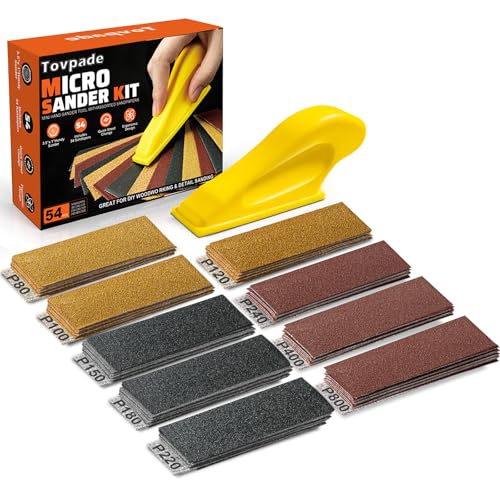
A compact 54-piece kit designed for micro detail work with 80–800 grit range, making it suitable for both rough shaping and fine finishing in hard-to-reach areas. The smart 3-color grit system speeds grit identification, reducing mistakes in small projects.
Who it’s for: crafters and DIYers who need a wide grit range in a small footprint. Why selected: broad grit options in a single kit save space and time. Caution: the kit’s smaller forms may not be ideal for larger surface areas requiring aggressive sanding.
POLIWELL Micro Sander Kit

This 50-piece mini sander set focuses on small projects and tight spaces. It includes 80, 120, 180, 240, and 400 grit sheets suitable for rough shaping to fine finishing. The ergonomic handle and compact size facilitate detailed control where larger tools struggle.
Who it’s for: woodworkers and hobbyists working in cramped areas. Why selected: balanced grit options and comfortable grip make it a solid all-around choice. Caution: ensure the sanding sheets are securely attached to avoid slipping during use.
LVANJI 90PCS Micro Detail Sander Kit

A broad 90-piece set offering grits from 60 to 400, designed for wood crafts, plastics, and metal polishing in tight spaces. The ergonomic mini sanding blocks are lightweight and easy to maneuver, helping you access narrow grooves and corners with reduced hand fatigue.
Who it’s for: serious hobbyists and professionals who need a wide grit spectrum in a single kit. Why selected: the large grit range supports initial shaping through final finishing in tight areas. Caution: heavier grit in delicate plastics may leave micro-scorings if used aggressively.
Buying Guide: Key Considerations For Small Groove Sanding
- Grit range and progression: For tiny grooves, start with coarser grits (around 80–120) for shaping, then move to finer grits (180–400) for smooth finishing to avoid gouges.
- Tool design: Double-ended or multi-shape ends improve access to edges, corners, and curves. Look for a compact form factor that fits your typical workspace.
- Grip and control: Ergonomic blocks or pen-style tools reduce hand fatigue during extended detail work. A lightweight tool helps with precision in small spaces.
- Attachment system: Quick-change or hook-and-loop sandpapers save time and reduce interruptions in detail work. Secure backing prevents slipping in tight grooves.
- Material compatibility: Aluminum oxide sandpaper covers wood, plastic, and metal surfaces adequately. Check if the kit includes grits appropriate for your common projects.
- Durability and replacement: A value-packed set reduces the need for frequent replacements. Consider whether you prefer a larger grit range or more specialized shapes.
- Space and organization: For cramped workshops, a compact kit with clear grit labeling helps maintain workflow efficiency.
Frequently Asked Questions
- What grit should I start with for small grooves? – Start with 80–120 grit for shaping, then progress to 180–280 grit for smooth finishing in tight spaces.
- Are double-ended sanding sticks better for grooves than single-ended? – Yes, they save time and improve reach in narrow corners by providing two grit options in one tool.
- Can these micro sanders be used on plastic models? – Yes, many sets are designed for both wood and plastic models, with grits suitable for delicate plastics when used carefully.
- Should I use a sanding block or sticks for edges? – Sanding blocks offer greater control on flat edges, while sticks excel in tight curves and corners.
- Is a wide grit range necessary in a single kit? – A broad range reduces tool switching and helps finish projects from shaping to finishing in tight spaces.
- Do these tools require special cleaners after use? – Generally, wipe clean and store dry. For resin or glue residues, a light brush can help before storage.