Answer: For fence painting, choose rollers that deliver even coverage on rough or semi-rough wooden surfaces, minimize shedding, and are easy to clean. The best options offer durable cores, appropriate nap lengths or foam for outdoor textures, and reliable trays or liners for mess-free work. This guide highlights top sellers ideal for DIY fence projects and professional touch-ups, plus a practical buying guide to help you compare quickly.
Who this is for:
– Homeowners repainting a wooden fence and wanting quick, clean results with minimal drip.
– DIYers completing a larger fence project who need bulk rollers for faster work.
– Professionals seeking reliable sets that cover both large panels and tight corners.
Summary table (selected products):
| Product | Best For | Notes |
|---|---|---|
| Mister Rui Foam Paint Roller Kit (2″) | Small touch-ups and trim along fence edges | Foam covers reduce overspray and drip; includes tray liners |
| Pro Grade Paint Roller Kit (10 Piece) | All-around projects and multi-surface work | Includes large rollers and brushes for diverse tasks |
| Pro Grade Paint Roller Tool Kit (10 Piece) | Small to mid-size fence sections | Mini set with a mix of rollers and trays |
| Mister Rui Mini Paint Roller Kit (13 Piece) | Trim, corners, and tight spots | 4-inch rollers with a durable tray and liners |
| Bates- Paint Roller Covers 9″ (5 Pack) | Bulk coverage on large fence panels | High-density sleeves for efficient paint transfer |
Mister Rui Foam Paint Roller, 2 Inch Mini Kit

The Mister Rui 2-inch mini foam roller kit is designed for precision touch-ups and detail work on wooden fences. Best for small sections, trimming along railings, or repairing patchy areas where large rollers can’t reach. The kit includes multiple 2-inch foam covers, a durable frame, and a disposable paint tray with liners to minimize cleanup. The high-density foam yields a smooth finish with minimal brush marks, which helps when staining or painting fence boards with a finish coat.
Who it’s best for: DIYers focusing on detail work or patch repairs on fences, and property owners who want a cost-effective starter set for small jobs. Why selected: its compact size and clean-up-friendly tray system make it ideal for high-precision fence work.
Caution: Foam rollers can wear more quickly on very rough, splintered wood; consider prepping the surface or using a longer-nap option for broader coverage.
Pro Grade Paint Roller Kit, 10 Piece

This all-in-one Pro Grade kit covers large surfaces and detail work. It includes a 9-inch roller frame, 4-inch mini frames, multiple microfiber roller covers with varying nap lengths, and several brushes. It is well-suited for fence painting projects that require both broad panels and precise edges. The assortment aims to reduce the need for extra purchases for a typical fence repaint.
Who it’s best for: Weekend warriors and homeowners who want a comprehensive starter kit that can handle most fence-related tasks in one package. Why selected: versatility and a complete set reduce shopping trips during a fence project.
Limitations: The kit’s multiple pieces require organization; ensure you have space to store the full set and trays between sessions.
Pro Grade Paint Roller Tool Kit – 10 Piece

This 10-piece set focuses on mini rollers and accessories suitable for tight fence corners, posts, and trim areas. It includes one mini tray, a dedicated mini roller frame, and eight mini roller covers. The kit is ideal when you need precise control and less surface area than full-size rollers provides, making it easier to manage paint in restricted spaces along a fence line.
Who it’s for: Those who must reach rail gaps, lattice sections, or doorways adjacent to fencing. Why selected: compact tools reduce hand fatigue and improve edge control on small segments.
Caution: This kit emphasizes mini rollers; for large fence panels, pairing with a larger roller may speed progress.
Mister Rui Mini Paint Roller Kit (13 Piece)

This 13-piece Mister Rui kit provides an extensive assortment of small rollers, a 4-inch frame, and a textured tray with three liners. It’s designed for efficiency on fence sections that demand precision, such as corners, posts, and trim. The microfiber rollers are tailored for smooth finishes on semi-rough surfaces, reducing streaks and ensuring consistent coats.
Best for: painters working on a fence with many tight spots and edging tasks. Why chosen: the complete micro-roller set minimizes frequent tool changes during detailed fence work.
Limitation: larger fence panels may require larger rollers or extension poles to maintain speed.
Bates- Paint Roller Covers, 9 Inch, 5 Pack
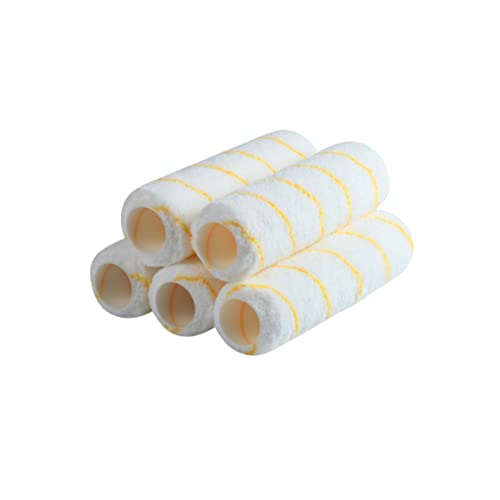
These Bates Choice covers are 9-inch sleeves with a 1/2-inch nap, designed for efficient paint transfer over larger fence panels. The high-density microfiber construction aims to minimize shedding and provide better coverage per stroke. They come in a bulk 5-pack, reducing downtime on longer fence projects.
Who it’s for: property owners undertaking bulk fence painting who want steady, repeatable coverage with less frequent roller changes. Why selected: bulk pack reduces replacement trips and downtime on large jobs.
Caution: 1/2-inch nap is best for smoother to moderately rough surfaces; for heavily textured fence boards, pairing with a longer-nap sleeve may yield better results.
Buying Guide: Fence Painting Rollers
- Surface texture: Rougher wood benefits from longer naps or foam with larger coverage; smoother boards work well with shorter naps.
- Paint type: Water-based coatings dry quickly and benefit from microfiber covers; oil-based coatings may require more robust sleeves.
- Coverage vs. control: Larger 9-inch rollers cover more area but are less maneuverable in tight spaces; smaller 2–4 inch rollers offer precision for posts, rails, and corners.
- Durability and reuse: Look for washable, reusable covers with shed-resistant fibers to minimize lint in the finish.
- Trays and liners: Disposable liners reduce cleanup; reusable trays save money but require cleaning after use.
- Organization: For multi-piece sets, plan storage and labeling to avoid tool misplacement during a fence project.
- Maintenance: Clean rollers thoroughly after use; dry completely to prevent mold or odor on outdoor projects.
FAQ
- What size roller is best for fence painting?
– Use 9-inch rollers for broad panel areas and 2–4 inch rollers for edges, posts, and tight corners. - Should I use foam or microfiber rollers for wood fences?
– Microfiber offers good coverage and durability; foam can provide a smoother finish on flat surfaces but may wear faster on rough wood. - Do I need a special tray for outdoor projects?
– A disposable liner tray helps keep cleanup simple, though reusable trays save money if you clean them promptly. - Is a bulk pack of roller sleeves worth it for a large fence?
– Yes, bulk packs reduce downtime from changing sleeves and ensure you always have a clean roller ready. - Can these rollers be used with any paint type?
– Most nylon or microfiber rollers work with water-based and some oil-based paints; always verify the sleeve’s compatibility with your coating. - How do I prevent roller lint on the fence finish?
– Choose shed-resistant microfiber sleeves and keep rollers clean and dry between uses.