Answering the question: which roll-on driveway sealer should you choose for your asphalt or concrete surface? This guide highlights five top products that balance durability, ease of application, and cost. It targets homeowners tackling DIY driveway projects, small business owners sealing parking areas, and property managers needing reliable protection. Below is a concise buying table followed by detailed product sections to help you compare at a glance.
| Product | Best For | Key Benefit |
|---|---|---|
| MDMprint 5 gal. Asphalt Filler and Sealer | Small to mid-sized driveways | Water-based, flat finish with easy cleanup |
| E-Z Stir Driveway Filler/Sealer (2 Pack) | Budget-focused projects | Two-pack value for larger areas |
| 4.75 Gal Ultra Shield Driveway Filler | Lightweight handling, larger areas | Ready-to-apply gel formula |
| Jetcoat 2-Year Standard Driveway Sealer | Long-term protection | Polymer-modified for durability and slip resistance |
| Bluestar Flexible Crack Filler | Crack filling before sealing | Flexible formula for cracks up to 1 inch |
MDMprint 5 Gal. Asphalt Filler and Sealer

Best for homeowners seeking a water-based, flat-finish asphalt sealer with sizeable coverage. This 5-gallon option is ideal for smaller to medium driveways where a durable, matte look is acceptable. The flat finish helps conceal minor imperfections and creates a uniform surface. Caution: as a water-based formula, ensure proper surface moisture conditions before application for best adhesion.
Who it’s best for: DIYers prioritizing easy cleanup and a low-odor, water-based product. Why selected: high-volume packaging reduces trips to the store and simplifies scheduling large projects. Limitation: finish is flat, which may look less reflective than glossy sealers on certain aesthetic preferences.
E-Z Stir Driveway Filler/Sealer (4.75 gal – 2 Pack)

Best for budget-conscious projects with larger area coverage due to the 2-pack offering. This product is designed for asphalt surfaces and provides a solid sealing layer. Caution: check compatibility with your climate and ensure proper stirring for consistent results.
Who it’s best for: budget-minded homeowners sealing multiple sections or larger driveways. Why selected: value-packed two-pack expands coverage; better for those coordinating timing across sections. Limitation: not all formulations emphasize long-term UV protection, so consider reapplication cycles in sunny regions.
4.75 Gallon Ultra Shield Driveway Filler

Better for homeowners who want a ready-to-use gel that speeds application and reduces mixing effort. The 4.75-gallon size is manageable for mid-sized driveways and the gel formulation can improve uniform coverage. Caution: while designed for durability, ensure it cures fully before allowing foot traffic to avoid marking the surface.
Who it’s best for: DIYers seeking a simpler, ready-to-apply solution. Why selected: the gel formulation offers smooth application with less mixing. Limitation: curing times may vary with temperature, so plan accordingly in extreme climates.
Jetcoat 2-Year Standard Driveway Sealer

Best for long-term protection in varied weather. Jetcoat’s polymer-modified formula enhances durability and resistance to elements, while sand implies improved slip resistance. Caution: may require specific surface preparation to maximize adherence in damp or dusty conditions.
Who it’s best for: homeowners seeking a longer-lasting seal with better weather resistance. Why selected: 2-year durability makes it a reliable choice in regions with seasonal wear. Limitation: heavier texture from sand can affect the final surface appearance for some preferences.
Bluestar Flexible Crack Filler
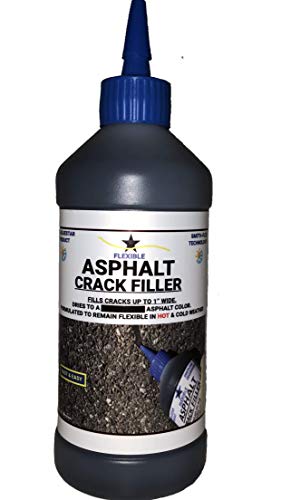
Best as a preparatory product for cracks prior to sealing. This filler is designed to remain flexible in extreme temperatures, making it suitable for driveways with recurrent freeze-thaw cycles. Caution: intended for cracks up to one inch; larger openings may require additional repair.
Buying Guide
What to consider when choosing a driveway sealer
- Surface type: Asphalt vs. concrete changes product suitability. For asphalt driveways, look for fillers or sealers formulated for asphalt; for concrete driveways, penetrating silane/siloxane sealers may be preferred.
- Protection duration: If you live in harsh climates, opt for polymer-modified or high-durability formulas that advertise longer protection and slip resistance.
- Finish and appearance: Flat finishes hide imperfections but reflect less light; gloss or satin finishes can enhance curb appeal but show more wear. Decide based on aesthetics and maintenance ease.
- Application ease: Gel or ready-to-use formulas save mixing time. Stir or shake requirements should be considered for uniform coverage.
- Curing time and usage: Check foot-traffic and vehicle-traffic cure times. Some products allow foot traffic in 60 minutes, others require longer.
- Maintenance schedule: Plan for resealing intervals based on weather exposure, traffic, and product durability.
FAQ
- Q: How often should I reseal a driveway? A: Most driveways benefit from resealing every 2–4 years, depending on weather, traffic, and product durability.
- Q: Should I seal concrete and asphalt together? A: It’s best to use products tailored to each surface type; mixing formulas can reduce performance on either surface.
- Q: Can I apply sealer in cold or rainy weather? A: Sealer should be applied under dry conditions and at temperatures recommended by the manufacturer to ensure proper adhesion.
- Q: Do I need crack filler before sealing? A: For cracks wider than a hairline, applying a dedicated crack filler helps prevent sealer from seeping into cracks and improves long-term performance.
- Q: Is a textured or slip-resistant surface always better? A: Slip resistance improves safety in wet conditions, but consider vehicle and foot traffic needs; too rough a surface might affect aesthetics.
- Q: Are water-based sealers safer for lawns and pets? A: Water-based formulas typically emit fewer odors and may be safer around pets and plants, but always follow product directions for safety guidance.