Discover the best rice papers for painting that balance ink absorption, texture, and durability for both Chinese brush painting and Japanese Sumi. This guide highlights five top options suited for beginners through advanced artists, including calligraphy, ink wash, and mixed-media work. Each pick is evaluated on sheet size, fiber quality, and handling characteristics to help you choose the right paper for your style and projects. The buyer intent table below summarizes key details for quick comparison.
| Product | Best For | Sheet Size | Notable Strength |
|---|---|---|---|
| SEAMEW Calligraphy Rice Paper | Chinese and Japanese brush painting | 13.4 x 18 inches | Traditional craftsmanship, ample space |
| Corciosy Calligraphy Rice Paper | Detailed brushwork and sumi | 13.4 x 27.2 inches | Wide format for large pieces |
| JapanBargain 9.5 x 13 Inch Paper | Sumi-e and ink practice | 9.5 x 13 inches | Made in Japan, smooth ink flow |
| Jack Richeson Rice Paper Pad | Sketching, calligraphy, sumi | 12 x 18 inches | Acid-free, versatile use |
| Eorbow Xuan Paper Roll | Brush painting and calligraphy | 35cm x 100m roll | Thickened for controlled diffusion |
SEAMEW Calligraphy Rice Paper for Chinese Brush Painting

Best for traditional Chinese and Japanese art forms. The SEAMEW rice paper supports calligraphy, ink stamping, and brush painting across Chinese and Japanese styles, with generous 13.4 x 18 inch sheets that accommodate detailed compositions. The paper’s texture and thickness reflect classic craftsmanship, aiding ink control and line precision. Best for artists who want an authentic, culturally rooted surface that handles broad brushstrokes and fine lines alike.
Best for: Calligraphers and sumi artists seeking a broad workspace and authentic material. Why selected: It blends traditional crafting with versatile surface qualities for mixed-media ink work. Caution: Larger sheets may require careful mounting to prevent warping during drying.
FIVEIZERO Mulberry Paper Sheets (50/100) A4

Best for beginners and classroom use, these 8.3 x 11.7 inch A4 sheets are made from 100% natural fibers and have textured, blank surfaces suitable for writing, painting, origami, and card making. The mulberry fibers provide durability and even texture, making them a reliable everyday paper for practice and light decoupage. Best for: Students and teachers seeking affordable, versatile paper. Why selected: Solid balance of texture, strength, and ease of use. Caution: The texture may be more visible on darker inks and marker work, which could affect some calligraphy lines.
Corciosy Calligraphy Rice Paper for Chinese Brush Painting

Best for large-scale calligraphy practice and sumi work, Corciosy offers 13.4 x 27.2 inch sheets with traditional craftsmanship. The generous width supports expansive brushstrokes and intricate compositions. This option delivers an authentic feel for practitioners who prioritize cultural heritage and high-ink absorption control. Best for: Advanced artists planning bold compositions on a longer scroll or wall piece. Why selected: Large surface area enables dramatic, uninterrupted strokes. Caution: Very wide sheets may be harder to flatten and mount for flat drying.
JapanBargain Japanese Sumi and Brush Paper
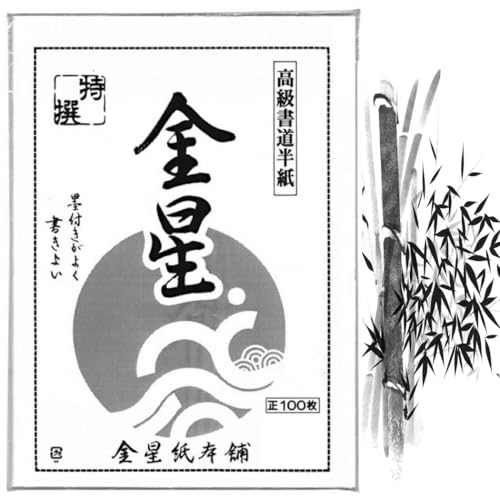
Best for authentic Japanese craft and ink practice, this 9.5 x 13 inch rice paper is designed for Sumi ink and kanji calligraphy. Its smooth surface promotes crisp line work while providing reliable ink absorption to minimize smudging. Best for: Beginners and intermediate artists focusing on kanji, hiragana, or Chinese characters. Why selected: Made in Japan, focusing on traditional ink flow. Caution: Smaller sheet size may require more repetitive practice for larger compositions.
Jack Richeson Rice Paper Pad

Best for versatile studio use, this 12 x 18 inch pad contains acid-free sheets suitable for sketching, calligraphy, watercolor, and sumi. The acid-free quality helps prevent yellowing over time, making it a practical option for longer-term projects. Best for: Students and artists who want a multi-purpose paper that works across media. Why selected: The acid-free property supports longevity of works; however, it may be slightly less absorbent than dedicated sumi surfaces. Caution: Not ideal for heavy water immersion or watercolor washes on all sheets.
Buying Guide
What paper weight and texture matter for ink work?
For sumi and brush painting, a balance between absorbency and control is essential. Textured surfaces can catch ink differently, while smoother surfaces promote clean lines. Consider your preferred brush size and whether you work with dense washes or fine line work.
Should you choose single sheets or pads?
Single sheets are ideal for large, final pieces. Pads offer convenience for practice, study, and quick sketches. For archival projects, acid-free options help protect color and integrity over time.
How important is the sheet size?
Large sheets support expansive compositions and elaborate strokes. Smaller sheets are better for disciplined control and daily practice. Always match sheet size to your intended artwork scale.
What about authenticity and heritage?
Paper crafted in Japan or with traditional Xuan techniques often yields a more predictable ink diffusion and a classic feel. However, modern blends can offer great flexibility and cost benefits for learners.
What are common limitations to watch for?
Some papers may warp when wet or bleed with heavy washes. Wider sheets can be harder to flatten. Always test a small sample before completing a major piece to gauge ink behavior and drying time.
How to care for rice paper artworks?
Lay sheets flat to dry, use appropriate mounting methods, and store away from direct sunlight to prevent yellowing. Proper framing and backing protect delicate pieces from creasing.
FAQ
Q: Which paper is best for Sumi-e beginners? A: Medium-weight papers designed for ink flow with clean absorption, such as Japan-made options, are suitable for practice.
Q: Can I use markers on rice paper? A: Yes, but ink absorption varies; test to prevent excessive seepage or feathering.
Q: Are there archival rice papers? A: Some sheets are acid-free or designed for longevity; check product specs for archival ratings.
Q: How do I prevent warping with large sheets? A: Mount flat and ensure even humidity control during drying to minimize warping.
Q: Is thicker paper better for brush painting? A: Thicker Xuan or mulberry papers can diffuse ink more gradually, offering smoother washes and reduced bleed.