If you’re choosing between resin and epoxy for wood projects, epoxy resin is typically the go-to for durable coatings, river tables, and crafts requiring strong adhesion and a glass-like finish. This guide highlights five top epoxy resin products and one penetrating epoxy option, explaining who they’re best for and why. It’s designed for DIYers, woodworkers, and artists seeking clear, epoxy-based results with minimal bubbles or yellowing over time. The table below compares key choices to help you decide quickly.
| Product | Best For | Why It Stands Out | Notes |
|---|---|---|---|
| KISREL Epoxy Resin 64OZ | General wood coating and tabletop projects | Crystal clear; low bubbles; self-defoaming; durable | Includes complete starter kit |
| Teexpert Epoxy Resin Crystal Clear 64OZ | Casting, jewelry, and wall art | 1:1 mix; crystal clear; non-yellowing | Safe, versatile |
| JANCHUN Crystal Clear Epoxy Resin Kit 16oz | Tabletops, molds, and small projects | Anti-yellowing; self-leveling; bubble-free | Starter-friendly |
| TAKIMO 68OZ UV Resistant Resin Kit | Sunlit surfaces and large coatings | 3× UV protection; liquid-glass finish | Diversified sizes |
| MAS Epoxies Penetrating Epoxy Resin Wood Sealer | Wood restoration and rot repair | Penetrating sealer; versatile wood compatibility | VOC-free |
Whether you’re sealing a live edge, coating a bar top, or repairing rotten wood, this guide focuses on practical, data-driven choices for woodwork. Each product section explains who benefits most, why it was selected, and a potential limitation to watch for, so you can pick confidently.
KISREL Epoxy Resin 64OZ Kit

Best For: Beginners to intermediate wood projects and tabletop coatings. Why: The kit includes both resin and hardener, measuring tools, gloves, and stir sticks, which helps new users start with a complete setup. The resin promises crystal clarity and reduced bubbles, with self-leveling properties to minimize finishing work.
Limitation: While designed for low bubbles, proper mixing and slow pouring are still necessary to achieve a flawlessly smooth surface.
Teexpert Epoxy Resin Crystal Clear: 64OZ

Best For: Jewelry, small decor, and fine-art casting. Why: It offers a straightforward 1:1 ratio, self-leveling properties, and a crystal-clear, non-yellowing formula that supports long-term clarity in castings and tabletops.
Limitation: Accuracy in mixing and thorough stirring are essential to avoid swirls and preserve clarity, especially for deeper pours.
JANCHUN Crystal Clear Epoxy Resin Kit 16oz

Best For: Beginner-to-intermediate crafters focusing on smaller projects or molds. Why: This kit emphasizes anti-yellowing and bubble-free results with self-leveling features, simplifying complex pieces like river-inlays or coasters.
Limitation: Smaller kit size may require additional purchases for larger projects or multiple coats.
PC Products PC-Woody Wood Repair Epoxy Paste
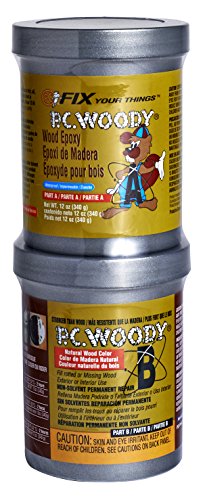
Best For: Wood rot repair, restoration, and indoor/outdoor fixes. Why: This two-part epoxy paste is designed to replace missing wood, resist moisture and UV exposure, and is suitable for a wide temperature range—useful for structural wood projects and repairs.
Limitation: Not a universal surface coating like clear epoxies; primarily a repair material rather than a finish.
CRAFT RESIN 34 Oz Crystal Clear Epoxy

Best For: Wood surfaces, coasters, and small art pieces. Why: Craft Resin emphasizes bubble-free performance, no yellowing, and food-safe properties, making it a versatile option for both kitchenware and art projects with a glass-like finish.
Limitation: For deep pours or large tables, additional coats or thicker pours may be needed to reach desired depth and gloss.
TAKIMO 68OZ UV Resistant Resin Kit

Best For: High-exposure wood projects like sunlit countertops and river tables. Why: Three-times UV protection reduces yellowing and ambering, while the unit sizing supports different project scales.
Limitation: 1:1 mixing ratio is standard, but ensure even heat management to maintain clarity during cures.
MAS Epoxies Penetrating Epoxy Resin Wood Sealer

Best For: Wood sealing, rot protection, and finish preparation for outdoor or marine environments. Why: This penetrating resin seals and hardens wood, improving adhesion for paints and stains and providing rot resistance.
Limitation: Primarily a sealer; not a thick-film topcoat, so you may still need a separate clear coat for glossy finishes on large surfaces.
Buying Guide
What should you consider when choosing epoxy resin for wood?
- Pour depth and cure time: For tabletops and river pieces, look for slow, self-leveling formulas that minimize heat buildup and bubbles.
- Clarity and yellowing resistance: If long-term clarity matters, prioritize non-yellowing formulations and UV protection.
- Mix ratio and accessibility: A 1:1 system is easier for beginners; include measuring tools and stir sticks for accuracy.
- Surface compatibility: For sealing rotten wood, use penetrating sealers first; for finishes, select a clear, high-gloss epoxy.
- Safety and odor: Choose low-VOC and non-toxic options when working indoors or with food-contact pieces.
FAQ
- What is the main difference between epoxy resin and resin for wood projects? Epoxy resin forms a hard, durable, glass-like coating with strong adhesion, while some resins are optimized for coloring or art castings with varying clarity and bubble resistance.
- Do these epoxies yellow over time? Many modern formulations are non-yellowing or UV-protected, but exposure to sunlight can still affect color over years; choose UV-stable options for sun-exposed pieces.
- Is a primer or sealer needed before epoxy on wood? For porous or rotten wood, sealing first helps adhesion and reduces curing issues; use a penetrating sealer like MAS before a topcoat epoxy when appropriate.
- Can I use epoxy for food-contact surfaces? Some products claim food-safe properties, but always verify manufacturer guidance and cure fully before contact with food or drink.
- What pour depth should I use for a tabletop? Common practice is 1/4 inch per layer, allowing multiple thin pours to minimize heat and bubble formation.
- Is heat or temperature a concern when curing epoxy? Yes. Work in a stable environment and consider room temperature and humidity to avoid mis-cured surfaces.