When drywall is damaged, selecting the right primer and repair products is essential to achieve a uniform, paint-ready surface. This guide highlights five primers and patching solutions designed for damaged drywall, plaster, and repaired surfaces. It explains who each product is best for, along with practical buying factors like drying time, odor, and coverage. Perfect for homeowners and pros tackling plaster repairs, nail-hole concealment, or large wall restoration projects, these picks balance ease of use with reliable results.
Summary of chosen products (best use cases at a glance):
| Product | Best For | Key Benefit | Limitations |
|---|---|---|---|
| EVOLVE Drywall Primer & Sealer 1 Gal | New drywall, skim coats, quick repairs | Single-step primer/sealer with great hiding power | Smaller size may require more coats for large areas |
| Gorilla Wall Repair Kit | Small to medium hole repairs | All-in-one kit with spackling, primer, tools | Not a dedicated primer for broad walls |
| Zinsser Gardz Damaged Drywall Sealer (1 Qt) | Crumbling or damaged substrates | Seals damaged surfaces and creates paintable base | Smaller container; odor varies by surface |
| EVOLVE Drywall Primer & Sealer 5 Gal | Large area drywall projects | High solids, strong hiding, low odor | Higher upfront cost |
| 3M High Strength Spackling Compound | Nicks and nail holes up to 3 inches | Fast repairs, no shrink/crack sag | Priming may be needed for even finish |
EVOLVE Drywall Primer & Sealer 1 Gallon
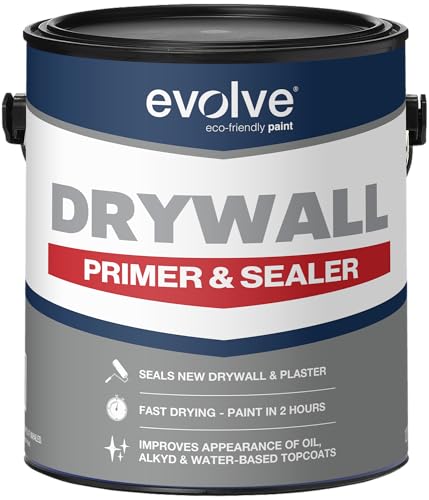
Best for: New drywall and skim-coated walls requiring a uniform base. The high-solids formula primes and seals in one step, reducing porosity and improving adhesion for the final topcoat. It hides joint compound and tape lines to create a professional finish. Use when filling minor repairs on walls and ceilings that will be painted with latex or oil-based paints.
Why chosen: This product eliminates the need for a separate sealer and primer, simplifying workflows while delivering strong adhesion and hiding potential imperfections. It’s suitable for fast-drying projects with low odor, ideal for interiors and small commercial jobs.
Limitations: For very large drywall patches, more than one coat may still be necessary to achieve full uniformity, and the 1-gallon size may require more frequent restocking on larger jobs.
Gorilla Wall Repair Kit
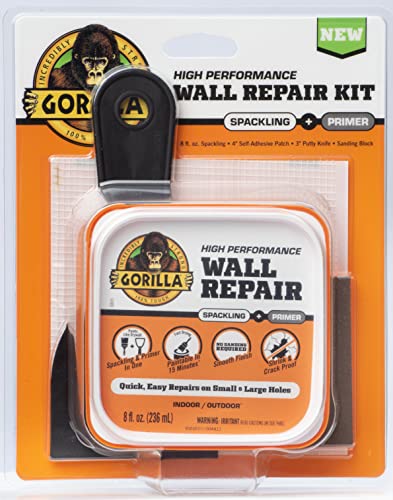
Best for: Quick, all-in-one repairs on walls and ceilings with visible holes or damage. The kit includes spackling, primer, a putty knife, patch, and sanding block for a complete repair workflow. Great for DIYers addressing both small and mid-sized repairs in one session.
Why chosen: It combines repair materials with an integrated primer-like component, enabling a cohesive finish. This is advantageous when time is limited and you need a reliable, ready-to-go set for patching and prep before painting.
Caution: The kit’s spackling might require subsequent top-coat adjustments for larger patches to ensure a perfectly flat surface across the repair area.
Zinsser Gardz Damaged Drywall Sealer (1 Qt)

Best for: Sealing damaged drywall, crumbling surfaces, or walls previously wallpapered. Gardz dries to a hard, clear matte finish that creates a paintable surface while restoring substrate integrity. Suitable for indoor projects where odor and cleanup are considerations.
Why chosen: It targets problem substrates before finishing coats, reducing risk of future blistering or adhesion issues. The product’s water-based nature supports easy cleanup and lower odor levels during application.
Limitation: It may require additional coats or primers on very porous or heavily damaged areas to fully even out the surface before paint.
EVOLVE Drywall Primer & Sealer 5 Gallon

Best for: Large drywall projects or renovation jobs with extensive wall areas. This 5-gallon option provides the same dual action as the 1-gallon version but covers more area, reducing restocking interruptions on bigger projects. Ideal for professional teams or budget-conscious homeowners tackling sizable spaces.
Why chosen: Its high- solids, low-odor formula delivers strong adhesion and a uniform base, supporting smoother topcoats and reduced paint use. The large volume helps maintain consistent finish across extensive surfaces.
Limitation: Higher upfront cost and longer curing time if working in tight spaces with limited ventilation. Order planning is essential to avoid delays in large projects.
3M High Strength Spackling Compound

Best for: Quick repair of small holes and nicks up to 3 inches in diameter. This spackling compound dries fast and resists shrinkage and cracking, helping you level repairs before priming and painting.
Why chosen: It speeds up patching workflows and reduces post-repair sanding. When paired with a primer, it helps achieve a uniform surface and consistent paint absorption.
Limitation: For larger patches or deep repairs, you may need multiple applications and sanding passes to achieve a perfectly flat surface.
Gorilla Heavy Duty Spackling & Primer 16 oz

Best for: Heavy-duty repairs on walls and ceilings with visible cracks, holes, or gouges. This product combines spackling with primer-like prep, enabling a smoother finish for a paint-ready surface after application.
Why chosen: It provides a fast-drying, paintable finish suitable for quicker turnaround projects. The lightweight filler reduces sag and helps maintain a uniform surface across repairs.
Limitation: May require additional sanding or touch-up primer on very textured walls or large repair areas to achieve a flawless final coat.
Buying Guide: Key Considerations For Damaged Drywall Restorations
Primer selection should align with surface condition, repair scope, and painting plan. Consider substrate type, porosity, and the level of concealment needed for joint lines or repairs. For patches, choose products with strong adhesion, low shrinkage, and compatibility with your topcoat.
What’s the best primer for damaged drywall?
Look for a high-adhesion primer that seals porous surfaces and minimizes flashing or blotchy finishes. A combined primer/sealer like EVOLVE products can reduce steps, while Gardz offers robust sealing for crumbling substrates.
When should you use spackling vs. joint compound?
Spackling is ideal for small holes and cosmetic repairs with minimal shrinkage. Joint compounds handle larger repairs but may require more curing time and sanding to achieve a smooth surface.
Is odor a concern indoors?
Low-odor, water-based primers are preferable for occupied spaces. Check product labels for VOC content and drying times to plan work around occupants.
How to prepare drywall before priming?
Remove loose material, wipe dust, and fill holes with appropriate filler. Sand flush, wipe again, and allow repairs to set before applying primer for best results.
FAQ
- Q: Can I prime over patched areas immediately after repairing?
- A: Yes, after the filler has cured and the surface is dry and smooth, apply a primer to seal and even out porosity.
- Q: Is a separate sealer necessary if I use a primer-sealer?
- A: Not usually; a primer-sealer often eliminates the need for a separate sealer, improving efficiency.
- Q: Which product helps conceal tape lines best?
- A: Primers with high hiding power help mask tape lines and joint compound more effectively during the first coat.
- Q: How long should I let repairs dry before priming?
- A: Drying times vary by product; follow label directions and ensure surfaces are fully dry to prevent finish issues.
- Q: Is there a best option for large areas with damaged drywall?
- A: For large areas, a 5-gallon primer/sealer with excellent adhesion and hiding power is typically most cost-effective and efficient.