When dampness threatens your walls, choosing the right paint and protective products is essential. This guide highlights top picks designed to stop moisture, inhibit mold growth, and keep surfaces looking clean. It’s ideal for homeowners tackling basements, cellars, garages, and other damp-prone rooms. The top products below are selected for strong moisture resistance, ease of application, and practicality for DIY projects. The buyer type varies from budget-conscious renovators to those needing long-term damp-proofing solutions.
Summary of selected products
| Product | Best For | Key Benefit |
|---|---|---|
| 6 Pack Plastic Drop Cloths | Protecting floors and furnishings during painting | Instant cleanup; prevents spills and dust |
| Zinsser PERMA-WHITE Interior Paint | Mold & Mildew-prone interiors | Self-priming; 5-year mold/mildew protection |
| Zinsser WaterTite Damp Wall Primer | Direct-to-damp concrete or masonry | Stops water intrusion; withstands hydrostatic pressure |
| VOISEN Pre-Taped Masking Film | Speedy, clean masking for large projects | Pre-applied tape; heat resistance; static cling aids positioning |
| Zinsser WaterTite General-Purpose Waterproofing Paint | Waterproofing in damp basements/wlood-prone areas | Waterproof protection for porous surfaces |
Durable Drop Cloths For Painting Protection

Product name: 6 Pack 9×12 FT Plastic Drop Cloths for Painting, Disposable Sheeting & Tarp. Type: LDPE plastic. Best for: quick, disposable floor and furniture protection during painting. Why selected: lightweight, waterproof, and providing instant cleanup with no washing or storage. Caution: not designed for long-term use or heavy abrasion; may tear under sharp objects.
Mold-Resistant Interior Paint

Product name: Zinsser 02774 PERMA-WHITE Mold & Mildew Proof Interior Paint, Quart, Eggshell White. Brand: Zinsser Store. Best for: interiors prone to mold or mildew. Why selected: self-priming formula reduces surface prep; provides a mold/mildew-proof film guaranteed for 5 years and resists dirt and moisture on the coating. Caution: suited for interior use; performance depends on surface prep and ventilation.
Direct-To-Damp Wall Primer

Product name: Zinsser WaterTite White Damp Wall Primer | Apply Directly To Damp Concrete, Blocks Moisture Intrusion, Basement Wall Preparation, Quart. Best for: damp walls before finishing coats. Why selected: designed to bond to damp concrete and stop water leaks at the source; withstands hydrostatic pressure up to 34 psi for robust moisture protection. Caution: primer results depend on surface porosity and proper application technique.
Masking Film With Pre-Taped Tape

Product name: VOISEN 3 Rolls Pre-Taped Masking Film for Painting. Brand: VOISEN Store. Best for: large painting projects needing quick masking. Why selected: 22 x 66 feet per roll, pre-taped masking film speeds setup; 230°F heat tolerance supports spray painting; static cling helps film stay in place. Caution: the adhesive may leave residue on delicate surfaces; test on edge areas first.
Damp Surface Waterproofing Paint
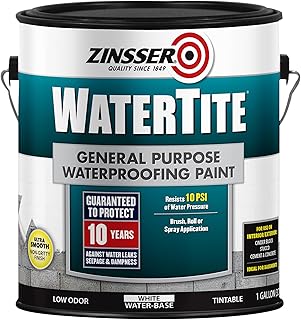
Product name: Zinsser 369381 WaterTite General Purpose Waterproofing Paint, Gallon, White. Best for: basements, cellars, or damp/wet areas requiring waterproofing. Why selected: provides waterproofing on porous surfaces; designed to resist moisture exposure and maintain surface durability. Caution: suitability varies with wall porosity and moisture management strategy.
Buying Guide
What moisture concerns should guide product choice?
Assess whether dampness is caused by hydrostatic pressure, condensation, or frequent surface contact with water. For direct damp contact, primer and waterproofing paint with moisture-blocking properties are essential. For mold-prone spaces, choose coatings with proven mold and mildew resistance.
How do I prep damp walls before painting?
Clear surfaces of loose material, fix any leaks, and allow damp areas to dry as much as possible. Use a damp-wall primer if the surface remains consistently moist. Protect surrounding areas with drop cloths or masking films to prevent accidental spills.
What combination of products provides a complete solution?
A practical setup includes a damp-wall primer (for direct-to-damp surfaces), a waterproofing/topcoat paint for long-term moisture resistance, and masking protection to keep areas clean during application. Drop cloths and masking film speed up the process and reduce cleanup time.
What are common limitations to expect?
Some products work best with specific substrates or environmental conditions. Primers must be applied according to manufacturer guidelines, and performance depends on surface porosity, ventilation, and curing conditions. Always follow safety and ventilation recommendations during painting.
How should I plan for long-term damp protection?
Choose products designed for moisture resistance and mold prevention, and consider an ongoing maintenance plan. Inspect for new damp spots periodically and reapply protective coatings as needed, especially in basements, garages, or other high-humidity spaces.
FAQ
- What is the best product to stop dampness at the source?
Direct-to-damp wall primers like Zinsser WaterTite are designed to bond to damp surfaces and block water intrusion at the source.
- Can I use interior paint on damp walls?
Interior damp-prone areas benefit from mold-resistant or waterproofing formulations designed for interior use.
- Do I need drop cloths for painting damp spaces?
Yes. Drop cloths protect floors and furniture, and can help contain dust and debris during moisture-related renovations.
- Is masking film better than tape for large areas?
Masking film with pre-applied tape can speed up masking and reduce edge seepage, especially on large projects.
- What should I do after finishing damp-proofing?
Allow proper curing time, monitor the area for new damp spots, and reapply coatings as needed to maintain moisture protection.