The top picks below provide practical bug-repellent options that work with paints, coatings, or outdoor application. This guide helps buyers choose between bug-repellent paint additives and ready-to-use repellents based on use case, area coverage, and safety. Ideal buyers include DIY homeowners painting a bug-prone area, outdoor enthusiasts seeking long-lasting protection, and families prioritizing chemical safety. The quick table summarizes the five featured products for fast comparison.
| Product | Best For | Key Benefit |
|---|---|---|
| Walla Walla Bug Paint Additive | Home painters using traditional paint supplies | Adds bug-repellent properties directly into paint |
| Outlast NBS30 No Bug Stuff Paint Additive | People wanting all-natural, paint-compatible bug deterrence | Natural formula compatible with oil and water-based paints |
| EcoGuard Plus Mosquito Fogger | Outdoor spaces and yards | Plant-based spray for broad-area repellence |
| Repel Insect Repellent Sportsman Max Formula | Active outdoor activities | High-DEET protection for skin and clothing |
| Repel Tick Defense Aerosol | Tick-prone environments | Long-lasting tick and mosquito protection |
Walla Walla Bug Paint Additive Review

This 5-gallon bug paint additive is designed to mix with painting supplies to create a bug-deterring surface. It is marketed as a US-made product intended for painters who want an integrated repellent in coating work. Best for: hobbyists or professionals applying large-scale painted surfaces in bug-prone areas who prefer an all-in-one approach to repellence while painting.
Why selected: It directly targets bug deterrence during painting projects, which can reduce pest attraction on treated surfaces. Caution: Product scope is broad; ensure compatibility with your specific paint type before mixing. Do not rely on it as a sole pest-control solution in sensitive outdoor environments.
Outlast NBS30 No Bug Stuff Additive

This 16-ounce bottle is marketed as a no-bug paint additive designed to mix with paints and stains, offering natural compatibility with both oil-based and water-based formulas. Best for: DIY painters seeking a natural, paint-m compatible bug deterrent without changing the base paint system. It can be added to a 5-gallon mix as needed.
Why selected: It emphasizes natural ingredients and versatility with different paint types. Caution: The exact bug-repellent efficacy relies on the base paint and environmental conditions; test a small area first to confirm performance and finish compatibility.
EcoGuard Plus Mosquito Fogger Review

This plant-based spray is designed for outdoor use to control mosquitoes and ticks. It emphasizes eco-friendly, biodegradable formulation and kid/pet-friendly safety when used as directed. Best for: homeowners seeking a natural, broad-area defense for outdoor spaces such as yards and patios. Caution: Outdoor effectiveness can vary with wind, heat, and outdoor foliage density; follow application directions carefully.
Repel Insect Repellent Sportsman Max Formula
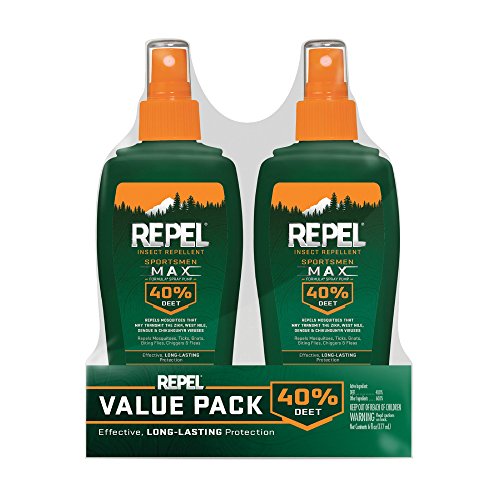
This repellent delivers long-lasting protection with 40% DEET in an aerosol format. Best for: outdoor enthusiasts who need reliable coverage for extended activities in bug-prone settings. Caution: High DEET concentration requires careful application away from eyes and mucous membranes and should not be used on irritated or damaged skin or on children under two months old unless directed by product guidelines.
Repel Tick Defense Aerosol Spray

This 6.5-ounce aerosol provides long-lasting tick and mosquito protection with 15% picaridin. Best for: travelers or outdoor workers who need reliable tick and mosquito defense on skin and clothing. Caution: The 15% picaridin formula may require reapplication after sweating or swimming; check label for reapplication intervals and safety guidelines.
Buying Guide: Bug-Repellent Options And How To Choose
Do I want a paint additive or a standalone spray?
Paint additives integrate bug-repellent properties into coatings, preventing pest attraction on treated surfaces. Standalone sprays provide surface protection for outdoor spaces or skin/clothing. Choose additives when painting; choose sprays for active outdoor use or immediate repellent needs not tied to a paint job.
How important is all-natural versus chemical-based protection?
All-natural formulas are often preferred for homes with kids and pets and may offer safer handling. Chemical-based options, like DEET or picaridin, typically provide longer-lasting protection but require careful handling and age-specific use guidance.
What is the coverage area and application method?
Additives are used with standard paints and may extend protection across large surfaces. Sprays (especially outdoor foggers or aerosols) cover defined outdoor areas or skin/clothing. Consider yard size, target pests, and whether you need fixed surface protection or portable protection on clothing and skin.
Are there safety and compatibility considerations?
Always verify paint compatibility for additives. For sprays, follow label directions for skin safety, ventilation, and proximity to children, pets, food areas, and water sources. If you have sensitive individuals, prioritize eco-friendly or lower-toxicity options and consult product guidelines.
What environmental and practical factors matter?
Outdoor effectiveness depends on weather, wind, and sun exposure. Indoor use should consider odor, ventilation, and finish compatibility. For family use, prioritize non-greasy, quick-drying formulations if possible.
Quick buying tips
- Match the product type to your project: painting surface vs. outdoor space protection.
- Test a small area first to confirm compatibility and finish results.
- Check safety guidance for kids, pets, and food areas.
- Assess coverage and reapplication requirements for ongoing protection.
Frequently Asked Questions
- What is the difference between a bug-repellent paint additive and a spray?
- Are natural bug repellents as effective as chemical ones?
- Can I use these products around children and pets?
- How do I test new additives with my paint?
- Will outdoor sprays deter all bugs?
- Is there a single best product for all situations?
Paint additives mix with coatings to provide pest deterrence on surfaces, while sprays are applied to skin, clothing, or outdoor areas for immediate protection.
Natural repellents can be effective but may require more frequent reapplication or have shorter durations in some conditions. Chemical repellents often offer longer-lasting protection but require careful handling.
Yes, but follow each product’s safety guidelines. Some items emphasize kid- and pet-friendly formulations; others may require restricted use in certain environments.
Follow the additive’s mixing instructions and test on a small paint chip or inconspicuous area to confirm compatibility and finish appearance before a full application.
Outdoor sprays can reduce bites from mosquitoes and ticks but may not deter all pests. Environmental conditions and application methods influence effectiveness.
No single product fits every scenario. Choose based on whether you need integration with paint, area coverage, safety requirements, and the specific pests you want to deter.