Answering the need for safe, effective paint removal on glass and other surfaces, this guide highlights five top products. These options are best for DIY homeowners, renovation professionals, and anyone needing quick, spray-friendly solutions that minimize harsh chemicals. Each selection offers unique strengths—whether you’re dealing with graffiti, dried latex, varnish, or road film on glass. The summary table below helps compare key traits at a glance.
| Product | Best For | Surface Compatibility | Form | |
|---|---|---|---|---|
| All Purpose Paint Remover Spray 22oz (Max Strip) | Graffiti, overspray, dried paints | Metal, brick, concrete, tile, glass, wood, stone | Water-based spray gel | No methylene chloride or NMP |
| Smart ‘n Easy Paint & Varnish Remover Gel (Safe ‘n Easy) | DIY projects, cabinets and furniture | Wood, brick, plaster, fiberglass, concrete | Gel | Water-based, citrus scent |
| Motsenbocker’s Lift Off Latex Paint Remover (22 oz) | Latex and enamel cleanup | Fiberglass, carpet, brick, upholstery, tools | Spray | Biodegradable formula |
| Max Strip Paint & Varnish Stripper (32 oz) | Multiple layers, DIY and pros | Wood, metal, masonry, plaster, tile | Gel/liquid | No caustic chemicals |
| Invisible Glass Glass Stripper Kit (4 oz) | Auto glass water spots and coatings | Windshields, automotive glass | Cerium oxide polish | Removes hard water deposits |
All Purpose Paint Remover Spray 22oz — Max Strip
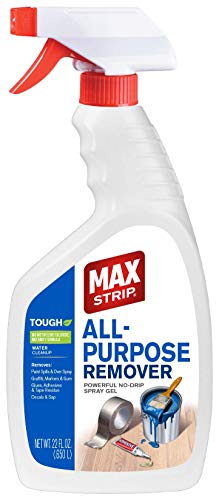
This water-based, no-drip spray gel is designed to tackle overspray, graffiti, markers, gum, adhesives, decals, sap, and more. The product emphasizes safety by avoiding caustic chemicals like methylene chloride and NMP, making it suitable for users who need a gentler approach on glass and other surfaces. It’s fast-acting, with guidance to apply, wait in 15-minute intervals, and scrape away.
Best for: Homeowners and maintenance pros who encounter spray paint on glass, concrete, or metal and want a lower-risk remover. It’s also helpful for graffiti cleanup on non-porous surfaces. Limitations: It may require multiple interval checks for particularly stubborn coatings, and you should test a small area first to confirm surface compatibility.
Smart ‘n Easy Paint & Varnish Remover Gel — 32oz

This gel-based remover is marketed as DIY-friendly and free from caustic chemicals, which can be appealing for projects involving glass, wood, and masonry. It’s designed to work on acrylic, latex, oil, and water-based paints, with a recommendation to test for compatibility before full removal. The citrus scent adds a more pleasant user experience, and the product is positioned for interior and exterior projects.
Best for: DIY enthusiasts and homeowners who want a citrus-scented, non-caustic option for furniture refinishing or cabinet updates that may involve glass panels. Caution: Test for coating compatibility first, to avoid potential surface damage or color changes on glass edges or hardware near treated areas.
Motsenbocker’s Lift Off Latex Paint Remover Spray — 22 Fl Oz

Lift Off’s water-based formula is designed to remove latex paints, enamels, and stencil paints from multiple surfaces. It’s praised for multi-surface versatility, including fiberglass, carpet, brick, upholstery, and even paint cleanup of tools and brushes. The product emphasizes easy disposal as paint remains solid with minimal mess after removal.
Best for: Professionals who need a single product capable of handling diverse cleanup tasks, from painting on glass to brushes and rollers. Limitation: While effective on many surfaces, you should verify compatibility with delicate glass coatings or film during multi-layer removals to avoid surface etching.
Max Strip Paint & Varnish Stripper 32oz
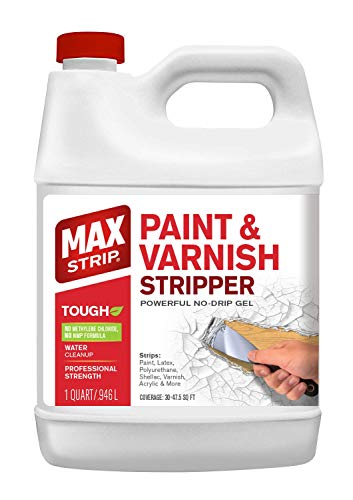
This remover is designed to annihilate multiple coatings—paint, varnish, polyurethane, shellac, and more—on wood, metal, masonry, plaster, and tile. It emphasizes ease of use without methylene chloride or NMP, advising a check every 15 minutes and removal with a scraper. It’s marketed as a do-it-yourself option that also satisfies professional restoration needs.
Best for: Projects involving deeper paint or varnish layers on varied substrates where a single application and safe chemical profile matter. Limitation: Depending on coating thickness, you may need longer dwell times or multiple applications for complete removal on glass edge areas or embedded film.
Invisible Glass 91411 Glass Stripper Kit

This cerium oxide-based glass polish targets hard water spots and road film on automotive glass. It’s designed to strip old coatings and contaminants, helping restore clarity before re-coating or sealing. The kit format is convenient for automotive glass projects and windshield maintenance, especially whenroad grime has built up over time.
Best for: Auto enthusiasts or fleet maintenance with glass surfaces needing polish and contaminant removal before final coating or wiper treatment. Caution: This product is tailored to glass and embedded deposits; it may be less effective on thick paint layers on non-glass substrates.
Buying Guide: How To Choose The Right Glass Or Surface Paint Stripper
What surface will you treat? Consider whether you’re removing spray paint from glass, woodwork adjacent to glass, or old varnish on a window frame. For glass, products that are non-caustic and water-based tend to be safer for non-porous surfaces and edges.
How strong is the coating? Very thick, multiple-coat finishes may require deeper penetrating formulas or multiple applications. Start with a conservative dwell time, then reassess with a scraper or soft scrub.
What’s the primary use environment? If you’re working indoors or in small spaces, choose a low-odor, low-emission remover. For outdoor projects, you can use stronger formulations that tolerate ventilation differences.
Safety and cleanup: Look for products that are clearly free of methylene chloride and NMP if you’re sensitive to fumes or have young occupants nearby. Check disposal guidance for paint waste and consider tools you’ll need for scraping and rinsing.
Surface compatibility: Always test a small, inconspicuous area on glass or adjacent trim before full-scale use. Some glass coatings or decorative films may react differently than bare glass.
FAQ
- Is it safe to use paint stripper on glass surfaces?
- Can I use a gel-based remover on glass?
- Should I wear protective gear when using these products?
- What is the best choice for graffiti on glass?
- How do I know if a remover is compatible with glass?
- Can I reuse leftover remover on new projects?
Yes, but choose non-caustic, water-based formulas when possible and always test a small area first to avoid damage to coatings on glass edges or decorative films.
Yes. Gel formulations can stay in contact with the surface longer for stubborn coatings, which helps prevent drips and messes in tight spaces.
Yes. Use gloves, eye protection, and adequate ventilation. Some products advise masking nearby finishes to prevent accidental exposure.
Look for a fast-acting spray gel designed to lift graffiti and overspray with minimal harsh fumes, and avoid products with methylene chloride or NMP when possible.
Check the product’s surface list, and perform a patch test on an inconspicuous area to confirm that glass, coatings, and any nearby trim respond without damage.
Most removers are formulated for short-term use or one-time applications. Follow the manufacturer’s disposal instructions and avoid cross-contamination between surfaces.