When dealing with damp walls, choose coatings designed to block moisture at the source and resist hydrostatic pressure. This guide highlights five effective options for interiors and exteriors, aimed at basement, garage, and moisture-prone areas. Ideal buyers include homeowners tackling rising damp, landlords maintaining rental units, and contractors seeking reliable waterproofing primers and paints. Below is a quick summary of the highlighted products and their best-use scenarios.
Summary Table (selected products)
| Product | Best For | Key Benefit |
|---|---|---|
| Zinsser WaterTite Damp Wall Primer | Direct-damp concrete, basements | Hydrostatic pressure protection up to 34 PSI |
| Drybase Damp Proof Membrane | Interior & exterior walls, floors | Low odor, water-based damp barrier |
| KILZ Basement Waterproofing Paint | Concrete, masonry | Blocks up to 12 PSI water pressure |
| Zinsser PERMA-WHITE Mold & Mildew Proof | Interior walls | 5-year mold & mildew resistant film |
| DWIL White Wall Paint | General damp-prone walls | Fast-drying, low odor, good coverage |
Zinsser WaterTite Damp Wall Primer

Best for direct application on damp concrete. This primer bonds to interior or exterior concrete, masonry, and cast-in-place surfaces, making it ideal for basements, cellars, and moisture-prone areas. It stops water leaks, seepage, and dampness at the source by forming a tough barrier with Portland Cement. It is built to withstand hydrostatic pressure up to 34 PSI, providing long-term waterproofing protection.
Best for: homeowners and contractors needing a direct-to-damp-wall solution in basements or garages. Limitations: data notes its wariness under active leaks without proper preparation; surface cleanliness and proper curing conditions affect performance.
Zinsser PERMA-WHITE Mold & Mildew Proof Interior Paint

Best for interior walls needing a mold and mildew resistant finish. This self-priming formula requires no sanding, and the paint film is designed to resist mold and mildew for up to five years. It also resists dirt and moisture on the film, making it suitable for humidity-prone rooms like basements, bathrooms, and laundry areas.
Best for: interior walls in damp indoor spaces where a long-lasting protective film is desired. Caution: not a replacement for structural damp-proofing; use in conjunction with proper moisture management.
Drybase Liquid Damp Proof Membrane

Best for creating a damp-proof barrier on interior and exterior walls and floors. This high-strength, water-based membrane is low-odor and bitumen-free, offering good adhesion and drip resistance. It works on a wide range of substrates, including brick and timber, and helps block moisture ingress and ground gases in some applications.
Best for: projects requiring a versatile damp-proof membrane with low odor. Limitation: not a substitute for extensive waterproofing in areas with active leaks; surface prep improves results.
KILZ Basement and Masonry Waterproofing Paint
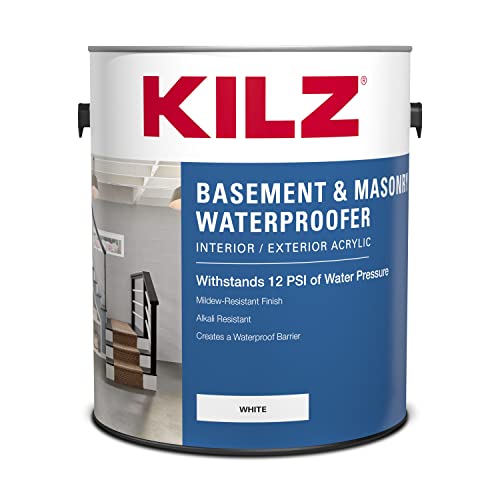
Best for interior and exterior concrete and masonry walls. The nanotechnology-backed formula blocks up to 12 PSI of water pressure, protecting basement and masonry surfaces from water infiltration. It’s suitable for below-grade applications with proper preparation and is alkali-resistant to handle high-moisture environments.
Best for: homes needing a robust waterproofing paint for concrete and masonry. Caution: not recommended for walls with continuous active leaks without addressing the leak source first.
DWIL White Wall Paint With Roller Kit
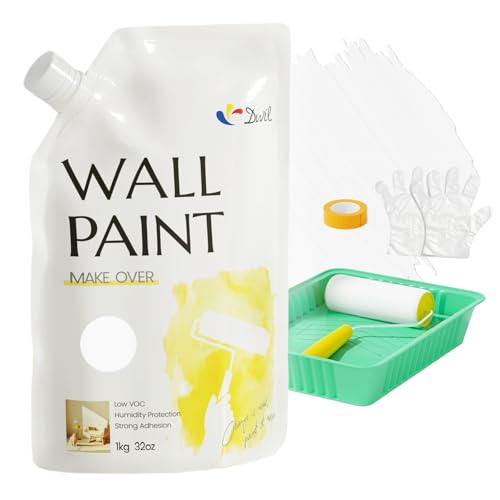
Best for comprehensive interior wall touch-ups in damp-prone spaces. This kit includes white wall paint and a small roller for convenient patches and quick renovations. It offers fast-drying, low-odor, water-based formula suitable for apartments, bedrooms, and rentals where simple damp repair is needed.
Best for: quick, low-odor patches and small damp-related repairs. Limitation: not a full waterproofing system; best used for cosmetic improvements in addition to moisture control.
Buying Guide
What to consider when choosing damp-wall coatings
- Moisture level and water exposure: For active leaks or hydrostatic pressure, select products engineered to withstand pressure (e.g., WaterTite primer, KILZ waterproofing options).
- Substrate type: Concrete, masonry, brick, and wood require different formulations for optimal adhesion and durability. Always match product to substrate.
- Interior versus exterior use: Interior paints often emphasize mold resistance and low odor, while primers and membranes may be required for exterior or below-grade walls.
- Application method: Some products are direct-to-damp-wall primers; others require priming or a separate finish coat. Follow surface prep guidelines for best results.
- Odor and drying time: Low-odor, water-based formulas are preferable in living spaces; consider ventilation needs during application.
- Maintenance and longevity: Look for finishes with proven resistance to mold, mildew, and alkali in high-moisture environments.
Frequently Asked Questions
- Can I apply paint directly to damp walls?
Some primers are formulated for damp surfaces, but check product specs. For persistent dampness, address moisture sources first. - Is a waterproofing primer better than regular paint for damp walls?
Yes, primers designed for damp or leaking walls provide better adhesion and moisture barriers than ordinary paints. - Do I need a primer before applying waterproofing paint?
Often, yes. A primer tailored for damp surfaces can improve adhesion and longevity. - Will mold-resistant paint prevent mold growth?
Mold-resistant finishes reduce growth on the film but do not solve dampness; moisture control remains essential. - Are these products safe for occupied living spaces?
Many options are low-odor and water-based, but ensure proper ventilation during application. - Can I use these products upstairs or in bedrooms?
Yes, select low-odor, interior-rated options suitable for living spaces.