Whether you’re a DIY hobbyist, a professional contractor, or a home workshop organizer, new empty paint cans offer clean, reliable storage for paints, finishes, coatings, and related materials. This guide highlights five strong options, explains who each is best for, and helps you compare features like seal quality, material, and portability. The top picks favor airtight performance, durability, and ease of use for water-based and latex products. A quick buying table follows to aid quick comparisons.
Product Comparison Table
| Product | Best For | Material | Capacity | Seal Type |
|---|---|---|---|---|
| All-Plastic Paint Can (2 Pack) – Gallon | Budget storage and leak-proof lids | Polypropylene | Gallon | Triple Lock Seal |
| LAUCO Empty Paint Cans with Lids – 32 oz | Durable metal storage | Tin-Plated Steel | 32 oz | Snug-fitting metal lid |
| Uiifan 4 Pcs 1 Gallon Empty Metal Cans | Color/paint variety and portability | Tinplate | 1 Gallon | Lids included |
| Morris Craigen 6 Pack Quart Cans with Lids | Small projects and touch-ups | Steel (unlined) | Quart | Triple tight lid |
| Master Elite 1 Quart Empty Plastic Can Buckets | Water-based storage and organization | Polypropylene | 1 Quart | Triple Lock Airtight |
All-Plastic Paint Can (2 Pack) – Gallon with Airtight Seal
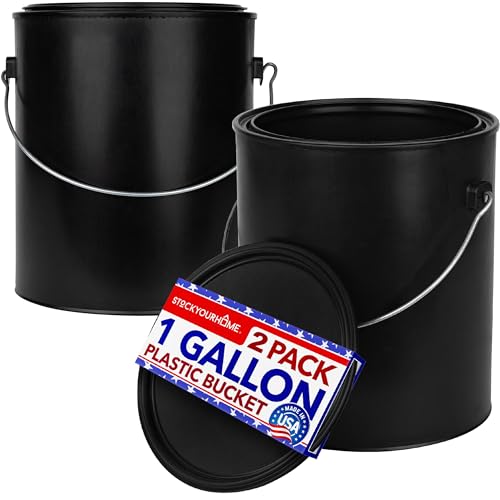
Best for: Quick, lightweight storage of water-based paints and primers. This gallon-pack is ideal for homeowners or hobbyists who want easy handling and minimal rust risk.
Why selected: Made from lightweight polypropylene, it resists denting, leaks, and odor transfer. The triple-lock seal on the lid provides a reliable airtight closure that helps prevent skinning and maintains paint usability.
Limitations: Not recommended for oil-based paints or cold/sub-freezing temperatures. The design targets water-based products and general storage rather than heavy-duty solvent use.
LAUCO Empty Paint Cans With Lids – 32 Oz

Best for: Professionals and DIYers who store and transport paints, resins, and adhesives in a durable metal container. The tin-plated steel construction offers strong durability in job sites and workshops.
Why selected: Includes six matching metal cans with secure lids to minimize leaks and contamination. The metal seal helps preserve contents and resists environmental exposure during storage.
Limitations: Metal cans are heavier than plastic and can be more prone to dents if mishandled; ensure lids remain tightly closed during transport.
Uiifan 4 Pcs 1 Gallon Empty Metal Cans With Lids

Best for: Storing multiple colors or liquids in a portable, sturdy metal can setup for on-site or shop use.
Why selected: The four-pack of 1-gallon metal cans includes lids and uses tinplate for durability and corrosion resistance, suitable for varied liquids, including paints and varnishes.
Limitations: Metal cans are not ideal for oil-based paints or harsh solvents in some cases; verify compatibility with your product before storage.
Morris Craigen Distribution 6 Pack Quart Cans With Lids

Best for: Small projects, touch-ups, and arts and crafts where quart-sized storage is convenient.
Why selected: The set emphasizes a hermetic seal with triple-tight lids to minimize spills and preserve paint integrity. They are made in the USA and suited for water-based products.
Limitations: Quart cans are smaller; plan for larger projects with multiple containers if needed.
Master Elite 1 Gallon Lined Empty Metal Can Bucket

Best for: Storing water-based paints, latex, and other non-solvent liquids in a durable steel container for art, crafts, or general storage.
Why selected: This lined metal can uses a triple-tight seal and a durable interior epoxy phenolic resin coating to resist corrosion when storing compatible substances. It is a solid choice for durable storage compared to unlined metal cans.
Limitation: Do not use with oil-based or solvent-based products that may react with the lining; check product compatibility before storage.
Buying Guide: Key Considerations When Choosing Empty Paint Cans
- Material matters: Plastic can be lighter and rust-proof, good for water-based paints. Metal cans offer durability and heat resistance but may dent or corrode with certain contents.
- Seal quality: Look for triple-tight or airtight lids to prevent skinning, odors, and leaks. A reliable seal extends paint usability and reduces messes.
- Capacity options: Choose gallon cans for larger projects and quart or 32 oz cans for touch-ups or organization. Consider having a mix for workflow efficiency.
- Intended contents: Verify compatibility with oil-based vs water-based paints and solvents. Some lined cans are better for water-based products; others are suited for general storage.
- Portability and storage: Lids, handles, and overall weight affect transport. Consider whether you need light, stackable options for a workshop or garage.
- Durability and reuse: Reusable containers save money and reduce waste. Plastic options resist rust; metal cans are typically more rugged in outdoor environments.
Frequently Asked Questions
- What type of empty paint can is best for latex paint? – Plastic cans are generally preferred for latex paints due to their rust resistance and lighter weight, with airtight lids to prevent skinning.
- Are metal paint cans better for solvents? – Metal cans can handle some solvents but verify compatibility with the lining; unlined metal may react with certain contents.
- Do I need lids for storage? – Yes. Tight-fitting lids minimize spills, evaporation, and contamination, preserving contents longer.
- How many cans should I buy for a small project? – For small projects or touch-ups, quart or 32 oz cans are convenient; for larger projects, consider gallon cans.
- Can I store water-based paint in lidless cans? – Airtight lids are recommended to keep product fresh and prevent skin formation.
- Should I store paints with different colors in separate cans? – Yes, to prevent color cross-contamination and simplify color management.