Looking for natural pigment options to mix oil paints? This guide highlights top natural pigment products and oil-ready pigment kits that emphasize purity, archival quality, and sustainability. Ideal for artists who want non-toxic, earth-based colors without fillers. The top picks are best for hobby painters, professional studios, and eco-friendly creatives who value archival performance and clean color mixing.
| Product | |||
|---|---|---|---|
| Natural Earth Paint Pigment Sample Pack | DIY painters, color experimenters | 20 natural pigments, no fillers, non-toxic | |
| Natural Earth Paint Eco-Friendly Oil Paint Kit | Traditional oil painters seeking natural colors | Ten pigments, walnut oil, plant-based thinner | |
| C.A.S. ALKYDPRO Ultramarine Blue, Titanium Buff, and Earth Pigment Set | Multi-media artists mixing oils, water-based, or acrylics | Pure pigments, minimal fillers, includes buff titanium and ultramarine | |
| terrachrom Natural Mineral Earth Pigments – Dark Umber Ardennes | Fine decor, art and cement mixes | Natural earth pigment with matte finish | |
| terrachrom Natural Mineral Earth Pigments – Burnt Umber | Fine art and decorative uses | Non-toxic, quarry-sourced ochres |
Natural Earth Paint Pigment Sample Pack

The Natural Earth Paint Sample Pack provides 20 natural earth and mineral pigments. Designed for non-toxic, archival paints, these pigments contain no fillers, heavy metals, additives, or petrochemicals. They are sustainably sourced and eco-friendly. Best for hobbyists who want a broad color range and professional-looking color mixes when combined with various binders. Cautions include avoiding inhalation of pigment dust during mixing; use a mask for safety.
Why selected: This set covers a wide spectrum of earth tones and allows experimentation across oil, watercolor, gouache, egg tempera, and ink. The absence of fillers improves tinting strength and color purity, making it a strong base for natural pigment work.
Who it’s best for: Beginners exploring natural pigments, mixed-media artists, and oil painters who want custom colors without synthetic additives.
Natural Earth Paint Eco-Friendly Oil Paint Kit

This oil paint kit uses 100% natural earth pigments in ten colors, delivering archival, UV-resistant finishes. Included are a 3.4 oz jar of walnut oil and a 3.4 oz jar of Eco-Solve, a plant-based thinner and brush cleaner. Best for traditional oil painters seeking natural, non-toxic materials with a professional-grade result. Limitation: pigments may require specific binders and drying times to achieve optimal performance in different media.
Why selected: It emphasizes safe, earth-derived pigments with a complete setup for oil painting. The walnut oil as a binder and Eco-Solve as a non-toxic thinner support eco-conscious studios and home studios alike.
Who it’s best for: Artists transitioning from synthetic colors to natural pigments, studios focused on non-toxic practices, and hobbyists seeking a ready-to-use oil paint system.
C.A.S. ALKYDPRO Ultramarine Blue, Titanium Buff, and Earth Pigment Set
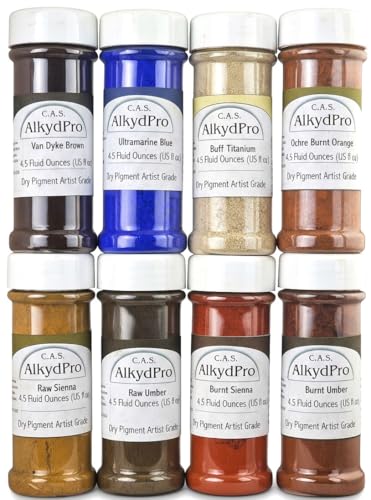
This set provides dry pigments intended for mixing with oil, water-based, or acrylic binders. The pigments are pure with minimal fillers, finely milled for dispersion. It includes buff titanium (pw6:1) and ultramarine blue (pb29), enabling warm neutrals and deep blues through mixing. Best for mixed-media artists who want versatile pigment options and strong lightfast potential. Caution: hydrophobic nature requires thorough wetting in water-based systems and appropriate dispersing tools.
Why selected: The combination of ultramarine blue and buff titanium expands the palette while staying within natural pigment traditions. It is especially useful for artists who mix media and require reliable dispersion with various binders.
Who it’s best for: Oil painters seeking high-pquality blues and earth tones, watercolor and acrylic users needing compatible pigments, and educators teaching pigment mixing concepts.
terrachrom Natural Mineral Earth Pigments – Dark Umber Ardennes

Dark Umber Ardennes is a natural mineral earth pigment suitable for artistic and decorative paints, cement, resin, and mortar. The pigment is obtained from quarry sources and is non-toxic, designed for use in oil, acrylic, lime, and other binders. Best for projects requiring rich, earthy brown tones with matte opacity. Limitation: the recommended pigment-to-paint ratio is up to 10% to maintain material integrity in cement or lime applications.
Why selected: This pigment offers reliable, natural browns that age gracefully in natural media and can be used across various substrates, including cement and lime finishes, for a rustic aesthetic.
Who it’s best for: Artists and decorators seeking durable earth tones in mixed-media work and decorative cement projects; hobbyists exploring mineral pigments in non-oil bases as well.
terrachrom Natural Mineral Earth Pigments – Burnt Umber

Burnt Umber is another natural mineral pigment from terrachrom, offering warm, earthy tones suitable for oil, acrylic, and cement mixes. It yields soft browns with good coverage and UV resistance. Best for classic oil portraits and landscape palettes seeking authentic earth warmth. Limitation: color strength can vary with binder type and application, so testing is advised before large-scale use.
Why selected: Burnt Umber provides a traditional, time-tested earth tone that complements a wide range of natural pigment palettes, balancing the more intense ultramarine or raw ochres in mixed-media works.
Who it’s best for: Painters building a natural palette, decorative painters, and those who favor historical color aesthetics in natural media.
Buying Guide
What to consider when choosing natural pigment oil paints
Pigment purity and binder compatibility are essential. Look for pigments described as pure, with minimal fillers and no petrochemicals. Check whether the product includes or recommends a compatible binder (oil, wax, or plant-based thinners) and any safety notes for dust exposure during mixing.
Are pigments suitable for oil painting?
Natural pigments can be used with traditional oil binders, often needing a compatible drying oil (like walnut or linseed) and sometimes a natural solvent alternative. Consider products that include recommended binders and guidance for oil painting to maximize archival quality and color longevity.
Safety and environmental considerations
Non-toxic formulations, US-sourced materials, and absence of heavy metals are preferred. When handling dry pigments, use protective masks and avoid inhaling dust. Choose eco-friendly kits that minimize packaging waste and support sustainable sourcing.
Color range and mixing flexibility
A broad color range and compatible pigments enable richer palettes. Sets that pair earth tones with vibrant mineral colors (like ultramarine blue) offer more versatility for oil works, glazing, and layered textures.
Application notes
- Test pigment-to-binder ratios on sample panels before committing to a major piece.
- For oil painters, consider starting with a small amount of pigment and building color depth through glazing and layering.
- Drying times and finish can vary by binder; follow manufacturer guidelines for best results.
FAQ
- What makes natural pigments suitable for oil painting?
Natural pigments provide pure color with minimal synthetic additives, commonly designed to pair with traditional oil binders for archival results.
- Are natural pigment sets safe for home studios?
Yes, when used as directed and with proper ventilation. Use masks when handling dry powders to minimize inhalation risk.
- How do I mix these pigments with oil binders?
Follow product guidance. Start with small portions of pigment, add walnut or other recommended oils, and test dispersion before full-scale use.
- Can natural pigments be used in non-oil media?
Many natural pigments are versatile and can be mixed with acrylics, watercolors, or cement products, depending on the binder and processing requirements.
- Do natural pigments improve archival quality?
Natural mineral pigments often offer strong lightfastness and UV resistance when used with appropriate binders, supporting long-term color retention.