Answer: For durable, clear wood protection, choose products that combine excellent adhesion, fast drying, and clear, non-yellowing finishes. This guide highlights five top options suited for different use cases—from furniture and cabinets to outdoor-ready projects. Best for beginners: user-friendly water-based formulas. Best for high-traffic wood: oil-based polyurethanes with hard-wearing film. Best for artistic finishes: high-gloss acrylic sealers. Best for light woods: clear, non-yellowing finishes that preserve natural color.
Summary table of chosen products:
- Rust-Oleum Universal All Surface Clear Topcoat Spray — Oil-based, fast-drying, broad surface compatibility.
- Minwax Clear Polycrylic Protective Finish Satin — Water-based, crystal-clear, low odor.
- Minwax Fast Drying Polyurethane Protective Wood Finish — Oil-based, very durable, semi-gloss.
- MCTRHG Clear Acrylic Paint Sealer — High gloss, acrylic, UV resistant, non-yellowing.
- SENVEN Polyurethane Protective Finish — Water-based, quick dry, non-yellowing, interior use.
Rust-Oleum Universal All Surface Clear Topcoat

Best for: projects needing broad-surface compatibility and quick, easy application. The oil-based formula adheres to wood, plastic, metal, fiberglass, concrete, wicker, and more, making it a versatile choice for mixed-material projects. It dries to the touch in about 30 minutes and covers up to 15 sq ft per can, offering a durable finish that resists fading and chipping. Strong adhesion helps protect surfaces prone to wear.
Caution: Oil-based finishes can have stronger odors and longer cleanup times; ensure proper ventilation during application.
Minwax Clear Polycrylic Protective Finish Satin

Best for: interior wood projects where a crystal-clear, low-odor finish is desired. This water-based top coat protects wood surfaces such as furniture, doors, and cabinets, while preserving the natural beauty of light woods. The satin sheen provides a modern, subtle look and is non-yellowing, non-ambering, and relatively low odor. Works well over various stains and woods.
Limitation: As a water-based coat, it may require tighter recoat timing in certain environments; follow recommended recoat intervals for optimal results.
Minwax Fast Drying Polyurethane Protective Wood Finish

Best for: projects requiring high durability and a warm, semi-gloss finish. This oil-based polyurethane provides long-lasting protection against scratches and spills on wood surfaces such as furniture, doors, cabinets, and floors. The durable finish creates a classic look and enhances wood grain while offering robust wear resistance.
Limitation: Oil-based polyurethanes tend to amber over time, especially on very light woods; consider this when finishing pale woods.
MCTRHG Clear Acrylic Paint Sealer
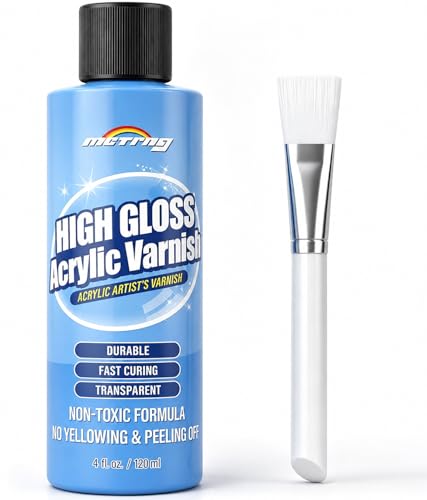
Best for: art, crafts, and decorative projects where a glass-like, high-gloss finish is desired. This acrylic gloss varnish seals and protects while delivering a bold, reflective shine that enhances colors. It resists yellowing and UV exposure, helping to keep colors vibrant on wood or mixed-media surfaces.
Limitation: Primarily designed for art and craft applications; larger woodwork projects may require multiple coats and longer curing times for full protection.
SENVEN Water-Based Polyurethane

Best for: interior wood projects where fast drying and non-yellowing properties matter. This water-based polyurethane provides crystal-clear protection while keeping light woods true to their color. It dries quickly—about 20 minutes to touch—allowing multiple coats in a single day, which can speed up project timelines.
Limitation: May require more coats to achieve the same film thickness as some oil-based options, depending on use-case and expected wear.
Buying Guide: Key Considerations For Choosing A Clear Wood Coating
What finish do you need?
- Oil-based polyurethanes: Most durable, excellent abrasion resistance, warm amber tone that deepens wood grain (great for darker woods or vintage looks).
- Water-based polyurethanes: Crystal-clear, low odor, fast drying, easy cleanup; ideal for light woods and interiors where color preservation matters.
What is your project type?
- Furniture, cabinets, and floors: Look for high film strength and resistance to scratches and spills. Oil-based options often excel here, with long-lasting protection.
- Decorative art or crafts: A high-gloss acrylic or water-based finish can deliver vivid color retention and UV resistance without yellowing.
Environmental and handling considerations?
- Ventilation: Oil-based finishes emit stronger odors; ensure good airflow during application and cure time.
- Drying time: Water-based products typically dry faster, enabling quicker project completion and re-coating intervals.
- Yellowing resistance: Non-yellowing or non-ambering formulas are preferred for pale woods and painted surfaces.
Application and cleanup practicality?
- Brush compatibility: Some water-based finishes level better with a foam brush or lint-free applicator; some oils require mineral spirits for cleanup.
- Recoat windows: Follow manufacturer-recommended recoat times to avoid adhesion issues.
Durability vs. appearance balance?
- Choose a finish that aligns with the project’s wear demands. Heavily used surfaces benefit from tougher oil-based or satin/semi-gloss finishes that tolerate frequent cleaning.
- Clear finishes should preserve natural grain without altering color. For light woods, non-yellowing formulas are particularly important.
Frequently Asked Questions
- What is the difference between oil-based and water-based polyurethane?
- How long should a finish cure before use?
- Can I apply a second coat the next day?
- Will a glossy finish show application marks?
- Is non-yellowing important for light woods?
- Which finish is best for outdoor wood?
Oil-based polyurethanes are typically more durable and amber the wood slightly, while water-based polyurethanes are clearer, dry faster, and have lower odor but may be less resistant to heavy wear.
Cure time varies by product and environment, but many water-based finishes can cure in 24 hours to handle light use, while full cure may take longer. Always follow label directions.
Yes, most finishes allow recoating within a specified interval, often a few hours for water-based and longer for oil-based products. Check the product’s recoat window.
High-gloss finishes can highlight brush marks or uneven coats. Use light coats, proper leveling techniques, and allow adequate drying time between layers.
Yes. Non-yellowing formulas preserve the natural color and brightness of pale woods like maple or birch.
While some products are marketed as versatile, choose finishes explicitly rated for exterior use or consult the manufacturer’s guidance for outdoor compatibility.