White oak veneer sheets offer durable, attractive surfaces for DIY furniture, cabinetry, and craft projects. This guide highlights five solid options and explains who each is best for, along with practical buying tips. Ideal buyers include hobbyists seeking easy-to-work-with sheets, professionals needing reliable prep-ready options, restorers matching existing finishes, and crafters pursuing versatile sizes. The table below summarizes key details to help you compare at a glance.
| Product | Brand | Size | Finish Type | Best For |
|---|---|---|---|---|
| White Oak Veneer Sheets, 7×110 Inches | Camland | 7 x 110 in | Natural White Oak | High-end furniture accents |
| Edge Supply White Oak Wood Veneer Sheet Rift Cut | Edge Supply | 24 x 96 in | Rift Cut | Cabinetry and repairs |
| WoodPress Real White Oak Wood Veneer (6 Sheets) | WoodPress | US Letter (8.5 x 11 in) | Consistent US Letter Size | Marquetry and crafts |
| Edge Supply Red Oak 24 x 48-inch Peel & Stick | Edge Supply | 24 x 48 in | Peel & Stick A Grade | Furniture restoration |
| Edge Supply White Oak Rift Wood Veneer Sheet 24×48 | Edge Supply | 24 x 48 in | Rift Cut, Peel & Stick | Repairs and refinishing |
White Oak Veneer Sheets, 7×110 Inches — Camland

Best for: DIY enthusiasts and hobbyists looking for a refined white oak surface on longer panels. These veneer sheets showcase natural white oak characteristics with some minor imperfections for authentic warmth. The thickness is approximately 0.20 mm, which makes them easy to bend for gentle curves or flat surfaces. A caution: natural wood features like knots and minor blemishes are expected and contribute to the character rather than perfection.
Edge Supply White Oak Sheet Rift Cut — 24×96

Best for: Restoration or refacing of cabinets and furniture where a natural rift-cut grain is desired. The sheet is ready to stain and comes with a 10 mil paper backing for easier handling. It’s easy to apply with standard adhesive, and its flexibility helps when shaping around curves. Limitation: as with most veneered sheets, precise cutting and alignment are essential for a seamless finish.
WoodPress Real White Oak Veneer — Pack of 6

Best for: Crafters and students working on marquetry, models, and small panels. The 1/32” thickness provides a balance of durability and flexibility, and the US Letter size fits standard classroom or workshop projects. Caution: the pack contains sheets of the same species; mixed species projects may require additional sourcing.
Edge Supply Red Oak Peel & Stick 24×48
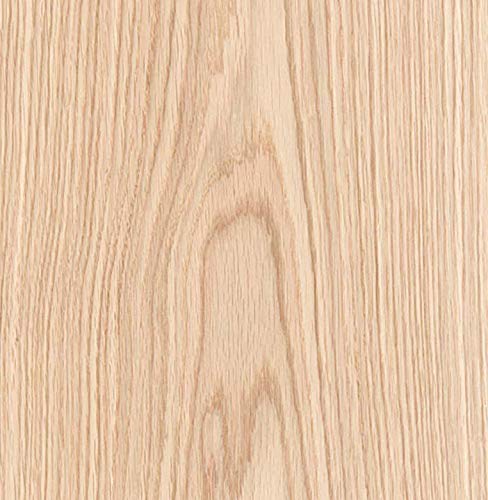
Best for: Quick-finish projects and cabinet updates where an adhesive-backed veneer expedites installation. The A-grade veneer offers a warm, premium look. The peel-and-stick feature is convenient, but ensure the surface is smooth and clean before applying. Better for flat surfaces than complex curved panels.
Edge Supply White Oak Rift Peel & Stick — 24×48
Best for: Projects requiring a rift-cut appearance with easy application. The 3M adhesive backing simplifies installation, and the sheet’s flexibility helps with slight curves. Limitation: like other peel-and-stick veneers, long-term adhesion may depend on surface prep and ambient conditions during application.
Edge Supply Ultra Flex White Oak Sheet — Quarter Cut

Best for: Projects that require bending around gentle curves or contours while maintaining a premium oak look. The 10 mil paper-backed veneer is easy to handle and apply with standard adhesives. Caution: ensure proper pressure during application to avoid air pockets on curved surfaces.
Buying Guide: Key Purchase Considerations
- Sheet type and cut: Rift cut, quarter cut, and plain-slice (book, a few options) affect grain appearance and workability. Rift and quarter cuts show tighter grain lines and reduced ray flake, which suits modern interiors.
- Backing and adhesion: Paper-backed veneers are easier to handle; peel-and-stick variants speed installation but may require surface prep for lasting adhesion.
- Thickness and flexibility: Typical veneers range from 0.2 mm to 0.25 mm. Thinner sheets bend more easily around curves but may be more susceptible to damage if handled roughly.
- Size and panel planning: Larger sheets reduce seams on wide surfaces but require careful transport and alignment. Smaller sheets suit crafts and detailed repairs.
- Finish and staining: White oak has natural color variations. Test staining on a scrap piece to ensure the final color matches your project.
Frequently Asked Questions
- What is the typical thickness of white oak veneer sheets?
Most are around 0.20 mm to 0.25 mm thick, providing a balance of durability and flexibility. - Are peel-and-stick veneers reliable for cabinetry?
They are convenient and can work well on flat surfaces with proper surface prep, but may be less durable on high-traffic areas without additional sealing. - Can I use standard wood glue with veneers?
Yes, for non-peel-and-stick sheets, apply an appropriate contact adhesive or wood glue according to product guidelines. - Which veneer cut shows the most uniform grain?
Rift cut and quarter cut generally offer more uniform grain patterns compared to plain slices. - How do I choose the right size sheet for a project?
Consider the surface area and seam management; larger sheets reduce seams, smaller sheets allow precise fitting for complex shapes. - Do natural imperfections affect durability?
Minor knots and character marks are typical and add authenticity; they do not inherently reduce structural durability when properly installed.