Answering the common question, these painting books are ideal for beginners and casually curious artists seeking guided practice, clear steps, and enjoyable projects. The top picks below are best for first-time painters, creative adults exploring watercolor, and gift-worthy options for aspiring artists. Each entry includes what makes it a good fit and a practical limitation to consider. A quick summary table is provided to compare basics at a glance.
| Product | Best For | Why It Stands Out |
|---|---|---|
| Watercolor Workbooks, 16 Colors Water Color Books Paint Set | Absolute beginners and travel-friendly practice | All-in-one set with papers, palette lid, and brush; 16 colors provide mix options on the go. |
| Beautiful Watercolor Workbook for Beginners (ZICOTO) | Relaxed floral practice at home | 12 guided floral projects on premium paper; gentle learning curve. |
| Watercolor Workbook for Beginners, 18 Floral Patterns (Dmsky) | Structured, multi-pattern projects | 24 colors, durable binding, tear-friendly pages for repeated practice. |
| Everyday Watercolor: Learn to Paint Watercolor in 30 Days | Progress-driven short-term program | Day-by-day format aimed at steady improvement. |
Watercolor Workbooks With 16 Colors For Beginners

Product overview: This beginner-friendly watercolor coloring book includes 15 plant-themed designs, step-by-step instructions, and color-mixing tips to master gradients and textures. It also packs 16 vibrant paints, a mixing palette in the lid, and a round brush for immediate practice. Best for adults starting watercolor and travelers who want a portable kit.
- Best for: Complete starter kit with paper, pigment, and tools in one package.
- Why selected: Combines instructional guidance with a ready-to-use set, reducing the need to source extra supplies.
- Limitation: The included designs focus on plants, which may limit theme variety for some learners.
Beautiful Watercolor Workbook for Beginners

Product overview: A floral-focused watercolor workbook designed for adults learning watercolor with clear, guided outlines. Sized at 6.5×9 inches, it emphasizes ease and confidence-building through floral projects on premium paper. Best for: Adults seeking a calm, floral entry point to watercolor without overwhelming complexity.
- Best for: Step-by-step guidance that reduces guesswork for beginners.
- Why selected: Floral designs are popular motivators that reinforce color mixing and brush control.
- Limitation: Fewer non-floral subjects may limit broader practice opportunities.
Watercolor Workbook for Beginners (18 Floral Patterns)

Product overview: This workbook offers 18 distinct floral patterns across two series, with 24-color watercolor paint and premium paper. It includes gold ring binding and easy-tear lines for flexible session planning. Best for: Those who enjoy structured projects and a tradition-rich bound workbook you can annotate.
- Best for: Pattern variety with a durable, tear-friendly format.
- Why selected: The two-series approach keeps practice fresh and progressively challenging.
- Limitation: Larger 7″ x 10″ size may be less portable than compact options.
Everyday Watercolor: Learn to Paint in 30 Days
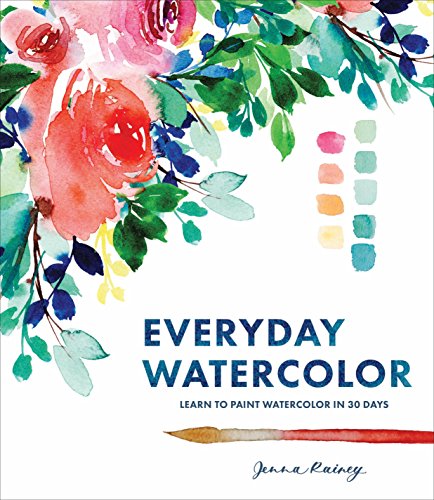
Product overview: A structured 30-day program designed to foster daily practice and gradual skill building. The guidance emphasizes foundational techniques and consistent progress. Best for: Beginners who prefer a clear, time-bound path to improvement and routine development.
- Best for: Short daily sessions that fit busy schedules.
- Why selected: The bite-sized plan supports steady confidence growth and habit formation.
- Limitation: The description notes general benefits without detailed project variety, which could limit exploration of advanced subjects.
Buying Guide: How to Choose The Right Learning To Paint Book
What type of painting do you want to learn first? Watercolor is forgiving and portable, but consider subject matter, paper quality, and included tools. If you’re shopping for a complete starter kit, look for sets that include paper, a brush, and a palette. For ongoing practice, seek books with guided outlines and color-mixing tips that match your pace and preferred subjects.
Key purchase considerations
- Beginner-friendliness: Look for step-by-step instructions, guided outlines, and simple projects.
- Paper quality: Premium watercolor paper reduces feathering and helps you learn consistent brush control.
- Project variety: Floral designs are common starters, but consider including landscapes, still life, or abstract patterns for broader skill sets.
- Portability: Compact sizes are ideal for travel or small workspaces; larger formats suit in-depth practice at home.
- Included supplies: A kit with paints and a brush can reduce upfront costs and setup time.
- Durability and binding: Ring bindings and easy-tear pages support repeated practice without damage to the book.
How to use these books effectively
- Start with the simplest design in each workbook and mirror the outlined steps before trying variations.
- Practice color mixing on a separate swatch sheet to track how pigments interact on the chosen paper.
- Schedule short daily sessions to build muscle memory and reduce frustration.
- Keep a small notebook to record what techniques worked and where you struggled.
FAQ
- What is the best watercolor book for absolute beginners?
Answer: Books with guided outlines, simple floral or nature designs, and included basic materials tend to be the easiest starting points. - Do these books include enough materials to start painting right away?
Answer: Some bundles include paints, a palette, and brushes; others require separate purchases for a complete setup. - Are floral projects good for beginners?
Answer: Yes, they provide predictable shapes and color-mixing practice, which helps develop brush control and shading. - Should I choose a portable book or a larger workspace format?
Answer: Portable 6.5″ x 9″ formats are ideal for travel, while larger formats support more detailed practice at home. - Is a 30-day plan effective for learning watercolor?
Answer: Structured programs can build consistency and technique gradually for beginners who benefit from routine. - What should I do if I outgrow a beginner workbook?
Answer: Transition to a book with more advanced projects or add separate practice sheets to challenge yourself.