Answer: The best inside corner mudding rollers are designed to reach 90° corners, apply joint compound evenly, and minimize drips. This guide compares five top options to help drywall professionals and DIYers choose the right tool for inside corners, patch spots, and edge touchups. The best choice depends on corner tightness, handle comfort, and material durability. The following table summarizes key details to compare at a glance.
| Product | Best For | Nap Type | Note |
|---|---|---|---|
| ROLLINGDOG 2″ Corner Drywall Compound Roller | Small corners and patches | 5/8″ nylon/polyester | Rust-resistant frame, ergonomic grip |
| DEWALT Inside Corner Roller | Durable, heavy-duty corners | Not specified | Reinforced alloy body, corrosion-resistant |
| LEVEL5 Drywall Corner Compound Roller | High-volume corner coverage | 2″ wide corner roller with center nap-free design | High-compound capacity, comfortable grip |
| PinStone Drywall Corner Compound Roller Kit | Versatile, extendable use | 1/2″ nap, 2″ extendable frame | 4-pack with extra coverage options |
| SASKATE Inside Corner Bead Roller | Bead corners and precise adhesion | PTFE stainless steel | Threaded adapter compatibility |
ROLLINGDOG 2″ Corner Drywall Roller

Best for tight inside corners and small repair spots. The 2″ roller reaches 90° drywall corners and supports precise spreading of compound over tape or edges. The 5/8″ nylon/polyester nap picks up and distributes joint compounds evenly, reducing drips and waste. The steel frame is corrosion-resistant and bends less under pressure, while the ergonomic plastic handle minimizes hand fatigue during extended use. Choose this for quick touchups and precise corner work in smaller projects.
Caution: Suitable for all-purpose or lightweight compounds; performance may vary with very heavy joint compounds.
DEWALT Inside Corner Roller

Best for durability-focused projects. The DEWALT roller features a heavy gauge, lightweight billet aluminum body with hard-coat anodizing for long-term durability and easy cleanup. Stainless steel wheels help minimize edge damage during accidental drops. This option is well-suited for pro-grade drywall work where tool longevity and consistent performance matter. Best for professional builders and serious DIYers who value rugged construction and a reliable finish.
Caution: Heavier build may be less comfortable for extended use by users prioritizing light-weight tools.
LEVEL5 Drywall Corner Compound Roller

Best for high-efficiency projects. LEVEL5 uses a unique nap design with a ½-inch thick reticulated polypropylene nap to accept up to 50% more compound than many high-nap rollers, speeding up coverage. The center of the 2″ corner roller is nap-free to minimize buildup at the corner, helping deliver a cleaner edge. The ergonomic handle with soft-grip offers comfort during long sessions. Choose this when speed and extended-use comfort are priorities.
Caution: May be less ideal for extremely intricate or tight 90° corners if a smaller head is required.
PinStone Drywall Corner Compound Roller Kit

Best for value-driven kits with multiple options. PinStone’s 4-pack includes three 1/2″ nap covers and a 2″ threaded roller frame, ready for immediate use. The tightly woven nylon fibers reduce shedding and ensure consistent coverage with minimal drips. The extendable frame is rustproof and compatible with standard poles, reducing mud buildup at the end of the frame. This kit suits homeowners tackling multiple corners or contractors seeking a versatile set.
Caution: The included 2″ frame is slightly longer than typical, which might require adjustments on very small spaces.
SASKATE Inside Corner Bead Roller
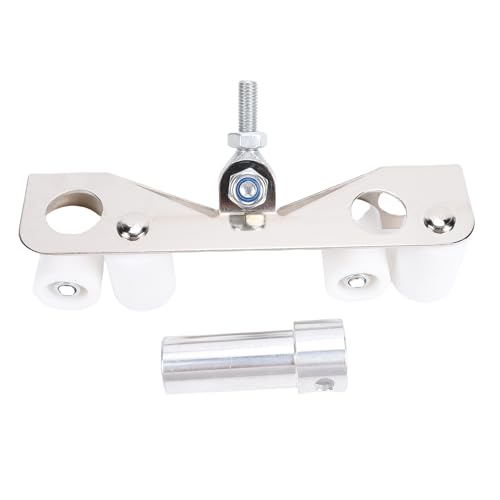
Best for bead-focused corners and precise mud squeezing. The PTFE stainless steel construction provides low friction and durability for repeated use, while the threaded adapter ensures compatibility with standard handles and extension rods. This tool is designed to fit the contour of wall corners for consistent adhesion and minimal waste. Best for precision work and tight bead installations.
Caution: Some users may prefer a larger nap for broader areas; this model emphasizes precision over bulk coverage.
Buying Guide
What sizes should you consider? For inside corners, 2″ to 2.5″ tools work well on most standard walls, with 1/2″ nap rollers suitable for patch work. If you’re covering large ceilings or wide corners, consider a kit with extendable frames and multiple nap options.
Which material matters? Nylon/polyester blends resist shedding and help even application. Stainless steel and aluminum bodies offer durability; look for corrosion resistance in humid or dusty environments.
What features improve performance? Nap-free centers reduce center buildup, ergonomic handles reduce fatigue, and compatibility with standard extension poles increases reach. For professional use, prioritize tools with sturdy frames and low-maintenance components.
Where should you start? If you need quick, precise touch-ups, start with a 2″ corner roller (like ROLLINGDOG) and add a 4-pack option (like PinStone) for broader coverage. For high-volume projects, LEVEL5 or DEWALT options provide durability and efficiency in demanding environments.
FAQs
- What is the main advantage of a nap-free center on a corner roller? It minimizes excess compound buildup at the corner, resulting in cleaner edges.
- Is a longer handle better for crowded spaces? Yes, extendable frames and compatible handles increase reach and reduce strain in tight areas.
- Should I pick a kit with multiple rollers or a single-tool option? Kits offer flexibility and value for varied project sizes, while single tools can be specialized for a specific corner type.
- Can these rollers handle heavyweight joint compound? Some models are designed for lightweight or all-purpose compounds; check nap and frame strength for heavier formulations.
- Are these tools suitable for professional drywall finishing? Yes, many options balance speed, coverage, and edge control, making them appropriate for pros and serious DIYers.
- Is beading essential for every corner job? Bead rollers help with precise bead installation, but for simple touch-ups, a standard corner roller may suffice.