Answering the question “What high gloss acrylic lacquer should I choose?” this guide highlights five top options suited for vehicle touchups and clear-coat protection. Ideal buyers include car enthusiasts looking for durable automotive gloss, artists seeking clear, crystal-clear varnish, and DIY painters wanting a versatile, fast-drying finish. The selections emphasize fast-drying formulas, clear or black gloss, and UV resistance where relevant. A quick comparison is provided below to help you pick the right product for your project.
| Product | Best For | Key Benefit |
|---|---|---|
| U-POL Acrylic Lacquer, Clear Gloss, 10 oz | Cars, metal & plastic touchups | Fast-drying, high gloss, wide color matching |
| U-POL Acrylic Lacquer, Gloss Black, 10 oz | Scratch and chip repairs on dark finishes | Rapid gloss coat for black panels |
| Rust-Oleum Automotive 11-Oz Clear Gloss Lacquer | Auto refinishing, trims, accents | Durable clear gloss, quick dry |
| Krylon COLORmaxx Gloss Crystal Clear, 11 oz | Indoor/outdoor crafts and furniture | Crystal clear, versatile gloss |
| Liquitex Professional High Gloss Varnish, 118 ml | Fine art paintings and crafts | Archival, non-yellowing gloss finish |
U-POL Acrylic Lacquer, Clear Gloss, 10 oz

The U-POL Acrylic Lacquer Clear Gloss is a fast-drying, all-purpose lacquer designed for vehicles and other metal or plastic surfaces. It provides a high gloss finish suitable for touchups and scratches. Best for: DIY car owners and hobbyists who want a single product for multiple substrates and a true gloss look. The product is formulated to be easy to apply and quick to dry, which helps in time-sensitive repairs. Best practice is thorough surface prep—clean, degrease, and lightly abrade before application. A limitation is that shade matching depends on selecting the right color variant, especially when restoring specific car colors.
Why this is a strong pick: It combines speed, gloss, and versatility for automotive touchups, making it a go-to for quick fixes and uniform appearance.
Caution: Ensure masking to protect surrounding areas from overspray, and choose the exact color match to avoid shade mismatch.
U-POL Acrylic Lacquer, Gloss Black, 10 oz

This gloss black variant is aimed at repairs on darker finishes and trims where a seamless blend is critical. It shares the same premium formulation and fast-drying properties as the clear version, with an emphasis on matching a black base coat. Best for: owners performing color-matched touchups on black panels or darker vehicles. Limitations: color accuracy depends on the base coat underneath and the vehicle’s existing finish.
Why this is a strong pick: It provides a durable, high gloss black layer that can help restore a uniform look on dark surfaces, reducing visible repair seams.
Rust-Oleum Automotive 253366 Clear Gloss Lacquer
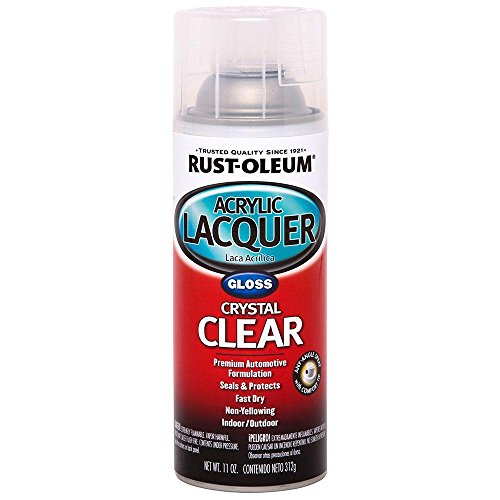
Rust-Oleum’s lacquer spray provides a durable clear gloss suitable for cars, trucks, trailers, and accessories. It dries quickly and offers strong adhesion to metal surfaces. Best for: quick refinishing jobs and trim work where a protective, high-gloss coat is desired. Better for external use where a hard, protective finish is beneficial. Caution: spray in a well-ventilated area to avoid inhalation of fumes.
Krylon COLORmaxx Gloss Crystal Clear, 11 oz

Krylon COLORmaxx Gloss Crystal Clear is a versatile gloss finish suitable for indoor and outdoor projects. This option is best for arts, crafts, and furniture that require a clear, hard coat with a lustrous finish. It’s a flexible choice for non-automotive surfaces where a clear protective layer is desired. Limitation: not specifically formulated for automotive finishes; color matching is not a concern here, but long-term UV stability may vary with use on vehicles.
Liquitex BASICS Gloss Varnish, 250ml

Liquitex BASICS Gloss Varnish is a permanent gloss varnish designed to protect finished paintings. It dries clear and non-yellowing, with the option to mix with matte varnish for varying sheens. Best for: artists seeking a reliable, archival gloss finish that won’t alter colors significantly. Caution: ensure even coats to avoid brush marks or haze, and avoid applying over damp or poorly cured surfaces.
Buying Guide: Key Purchase Considerations
- Intended use: Choose automotive-focused lacquers for cars and metal/plastic surfaces, and art varnishes for paintings and crafts.
- Gloss level and finish: Crystal clear, high gloss finishes enhance color depth, while some options offer safer non-yellowing properties.
- Drying time: Fast-drying formulas save time but require careful masking and ventilation.
- UV resistance and durability: UV-stable coatings help prevent yellowing and fading on exterior applications.
- Substrate compatibility: Ensure the product matches the substrate (metal, plastic, wood) and base color for best results.
- Application method: Sprays provide even coats on wide surfaces; brushes or pourable varnishes suit certain art projects.
- Safety: Work in a ventilated area; follow all label warnings and masking guidelines to protect skin and lungs.
Frequently Asked Questions
- What is the difference between automotive lacquer and varnish?
– Automotive lacquer is formulated for vehicles, offering durability on metal and plastic with a high gloss. Varnish is often used in art and crafts to protect paintings and may emphasize archival properties. - Can I use clear gloss lacquer over painted surfaces?
– Yes, if the surface is properly cured and compatible with lacquer products, a clear gloss topcoat can enhance shine and protect underlying layers. - How long does drying time typically take?
– Most fast-drying lacquers dry to touch within 20 minutes to an hour, but full cure can take longer depending on humidity and temperature. - Is yellowing a concern?
– Some varnishes are specifically non-yellowing; it’s important to choose a product that matches your project’s long-term needs. - Which product is best for beginners?
– A clear gloss spray with a forgiving formula and good leveling, like a high-gloss lacquer spray, is often easier for beginners to apply evenly. - Are there any safety considerations?
– Always work in a well-ventilated area, wear protective gear as recommended, and mask off adjacent areas to prevent overspray.