The best options for glossy surfaces prioritize strong adhesion, stain blocking, and easy topcoat compatibility. This guide highlights primers that cling to slick finishes like enamel, ceramic tile, glossy laminates, and painted gloss surfaces, helping you avoid sanding or rework. The top picks cater to DIYers and professionals alike, for interior and exterior projects. Each product is evaluated for its adhesion strength, versatility, and ease of use, so you can choose based on your surface type and finishing goals.
| Product | Best For | Key Benefit |
|---|---|---|
| Zinsser Bulls Eye 1-2-3 | Interior & Exterior Glossy Surfaces | Sticks to glossy surfaces without sanding |
| INSL-X SXA11009A-04 Stix | Hard-to-Coat Surfaces | Unparalleled adhesion to glossy and non-porous materials |
| KILZ Adhesion Primer | Multiple Surfaces | Budget-friendly bonding primer for tough surfaces |
| XIM UMA Acrylic Bonder | High-Gloss & Challenging Substrates | Strong bonding with diverse materials |
| Rust-Oleum Universal All Surface | All-Surface Ready Finishes | All-in-one spray primer with broad compatibility |
Note: The following sections summarize each product’s suitability, based on the listed features. Choose according to your surface type, desired topcoat, and project scope.
Zinsser Bulls Eye 1-2-3 Water-Base Primer & Sealer
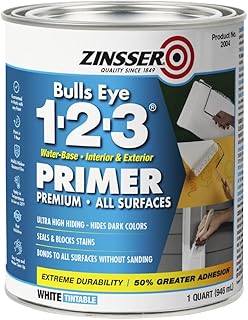
Best for: Interior and exterior gloss surfaces where quick adhesion is needed. This water-based primer-sealer sticks to glossy finishes without scuff sanding, reducing prep time on enameled doors, trim, or laminate surfaces. It also blocks stains and accepts topcoats well. Suitable for walls and siding that require reliable adhesion in varying temperatures down to 35°F.
Why chosen: Its universal adhesion on glossy substrates helps avoid labor-intensive sanding while delivering a solid primer foundation for almost any topcoat. It’s a versatile option for both interior and exterior projects.
Limitation: It may require a second coat for heavily glossy or dense surfaces to ensure uniform coverage.
INSL-X SXA11009A-04 Stix Bonding Primer

Best for: Surfaces that are particularly challenging for bonding primers, including glossy tiles, PVC, vinyl, glass, and pre-coated materials. The acrylic-urethane formula provides strong adhesion on hard-to-coat substrates like fiberglass and galvanized metals.
Why chosen: It’s designed to bond to difficult surfaces and remains compatible with a wide range of finishes, which helps simplify multi-material projects such as renovation of kitchens or bathrooms with glossy fixtures.
Limitation: May require longer dry times between coats on certain non-porous surfaces and can be more expensive than standard primers.
KILZ Adhesion Primer

Best for: Interior and exterior projects requiring reliable adhesion on glossy surfaces or problematic substrates while staying budget-conscious. Suitable for walls, doors, trims, and surfaces like glossy laminates.
Why chosen: A solid all-around bonding primer that helps prevent peeling and enhances topcoat performance on slick surfaces, making it a practical choice for frequent renovations.
Limitation: May not be the best option for highly porous or very porous surfaces without a suitable sealer first.
qt XIM UMA Acrylic Bonder and Primer/Sealer
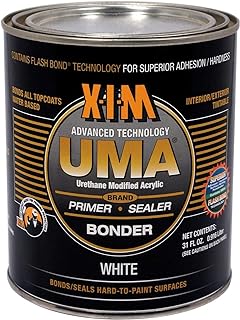
Best for: Surfaces that demand extra bonding strength and compatibility with multiple topcoats, including glossy finishes, plastics, and composites. It’s well-suited for projects that mix materials like wood, metal, and laminate.
Why chosen: The acrylic bonder provides a robust bonding foundation across a diverse set of substrates, supporting durable topcoat adhesion and reducing the risk of delamination on gloss surfaces.
Limitation: The product is best used as part of a complete finishing system; ensure compatibility with your chosen topcoat before application.
Rust-Oleum Universal All Surface Primer

Best for: Quick projects needing an all-surface bonding solution, including wood, plastic, metal, and ceramic. Ideal for large refinishing tasks where a consistent primer layer is desired before applying a topcoat.
Why chosen: Its spray-on format offers convenient coverage and broad substrate compatibility, beneficial for tackling glossy surfaces without excessive sanding.
Limitation: Oil-based formulations can have longer odor and cleanup considerations; follow ventilation and disposal guidelines accordingly.
Buying Guide
What surface are you priming?
Glossy surfaces require primers with strong adhesion to non-porous materials. Look for terms like “bonding,” “stain-blocking,” and “hard-to-coat” to ensure compatibility with gloss finishes such as enamel, laminate, and ceramic tile.
Interior vs exterior use
Interior primers focus on stain-blocking and finish compatibility, while exterior primers emphasize weather resistance and substrate bonding. Choose accordingly based on project location and exposure conditions.
Topcoat compatibility
Confirm that the primer is compatible with your intended topcoat (latex, oil-based, polyurethanes, etc.). Some bonding primers require specific primers or sealers to achieve the best finish.
Application considerations
Consider dry time, temperature range, and recoat windows. Some primers can be applied at lower temperatures, which is helpful in unheated spaces or early/late season projects.
Surface type and porosity
Hard-to-coat substrates like glass, metal, vinyl, and high-gloss plastics benefit from bonding primers designed for non-porous surfaces. For very porous substrates, a sealing step or pore-filling primer may be advantageous.
Environmental and safety factors
Check for low-VOC options if indoor use is frequent, and ensure proper ventilation and protective equipment during application.
FAQ
- What is the best primer for glossy surfaces?
- Do I need to sand glossy surfaces before priming?
- Can bonding primers be used on exterior surfaces?
- Will these primers control stains on glossy surfaces?
- Are spray primers better for glossy surfaces?
- How do I choose between a bonding primer and a traditional primer?
Practical choices include bonding primers like INSL-X Stix and Zinsser Bulls Eye 1-2-3, which are designed to adhere to glossy, non-porous substrates with minimal sanding.
In many cases, you can skip heavy sanding when using a true bonding primer, but light scuffing can improve adhesion on some surfaces.
Yes, many bonding primers are suitable for exterior use and help prevent peeling and flashing when applying topcoats outdoors.
Some primers include stain-blocking properties that seal through light water and smoke stains, improving final appearance and topcoat performance.
Spray primers can provide even coverage on intricate or large glossy areas, but follow product directions for application distance and airflow.
Choose bonding primers when adhesion to glossy or non-porous substrates is critical. Traditional primers are suitable for porous surfaces or standard repaint projects.