Heat reflective paint additives reduce heat transfer and cooling costs by enhancing insulation or reflective properties when mixed into coatings. This article highlights five effective options for homeowners, contractors, and property managers seeking to minimize heat gain or improve fire safety. The top picks vary from interior sealing additives to reflective beads and fire-retardant blends, each suited for different applications and climates.
Buyer overview: The following products represent a spectrum of heat-reflective options. ThermaCels additives are designed to be mixed directly into most paints to improve insulation without altering paint performance. Reflective glass beads provide nighttime visibility for traffic markings, while Flamecheck and Flame Guard products focus on flame retardancy for safer interiors and exteriors. Choose based on whether your priority is insulation, reflectivity, or fire safety. The table below summarizes each product’s core role and best-use scenario.
| Product | Main Use | |
|---|---|---|
| ThermaCels – 1 Gallon | Paint additive for insulation | DIY homeowners and small projects seeking insulation benefits without changing paint properties |
| ThermaCels – 5 Gallon | Paint additive for insulation | Larger projects and contractors aiming to reduce heat/cooling loss across bigger areas |
| Reflective Glass Powder, Type 1 DOT | Exposed reflective beads for wet-paint traffic lines | Nighttime visibility and professional line striping |
| Flamecheck M-111PA | Fire retardant paint additive | Interior and exterior latex coatings requiring flame resistance |
| Flame Guard Liquid Fire Retardant | Liquid fire retardant additive for coatings | Coatings requiring Class A fire performance |
ThermaCels Insulating Paint Additive 1 Gallon
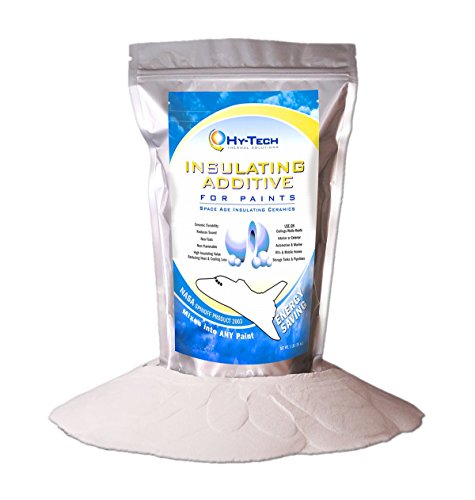
Brand: Hy-Tech Thermal Solutions
Best for small-scale homes or apartments seeking insulation without repainting or changing paint properties. The additive mixes into any paint or coating and does not alter the paint’s existing characteristics. It helps reduce heat transfer to lower cooling costs. A practical choice for DIYers and one-room renovations.
Limitation: The product data do not specify exact R-value improvements, so outcomes depend on paint film and application quality. Suitable for interior and exterior projects where light insulation gains are acceptable.
ThermaCels Insulating Paint Additive 5 Gallon
Brand: Hy-Tech Thermal Solutions
Best for larger renovations or commercial projects where insulation needs to cover more surface area. Like the 1 Gallon version, this additive can be mixed into any paint or coating without changing its properties, delivering insulation benefits and potential energy savings. More cost-effective for big jobs due to the bulk size.
Limitation: Higher volume requires proper mixing to ensure uniform dispersion; inconsistent mixing can reduce effectiveness in some sections.
Reflective Glass Powder for Traffic Paint & Epoxy
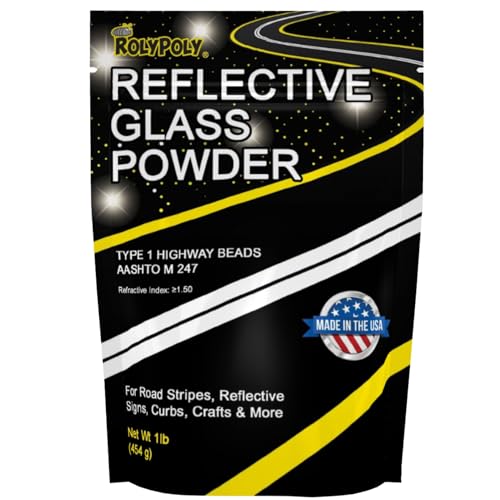
Brand: Roly Poly
Best for outdoor road marking and parking areas needing maximum reflectivity at night. This product is designed to be broadcast onto freshly applied paint or epoxy, exposing beads to headlights for superior retroreflectivity. It is a professional, Type 1 highway grade material compatible with line striping equipment.
Limitation: This option requires proper broadcast technique and equipment; it is not mixed into paint but laid on top, which may influence wear patterns in high-traffic zones.
Flamecheck M-111PA Fire Retardant Additive
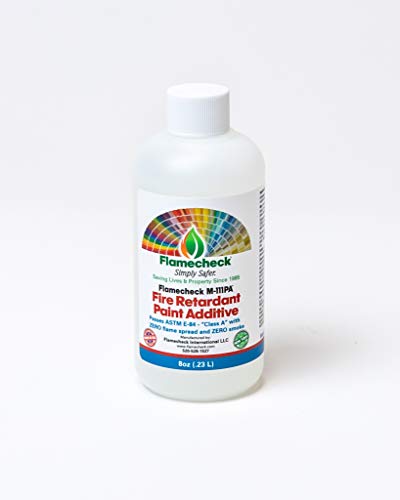
Brand: Flamecheck Simply Safer.
Best for interior or exterior latex paints where flame resistance is a priority. The non-toxic additive is mixed at 8 ounces per gallon and is suitable for homes, offices, cabins, and other spaces. ASTM E-84 tested with zero smoke and flame spread on non-flammable substrates.
Limitation: For best results, follow mixing instructions precisely; using inconsistent amounts can lead to uneven flame retardancy. Not a substitute for certified fireproof building materials in high-risk environments.
Flame Guard Liquid Fire Retardant Paint Additive

Brand: Walla Walla Cheese Company
Best for coatings requiring additional fire safety protection. The clear liquid additive blends into satin and eggshell coatings and passes ASTM E-84 as Class A. It’s a straightforward option for upgrading existing paints to improve fire resistance.
Limitation: It is a liquid additive, so ensure compatibility with your chosen coating system and verify application guidelines for uniform distribution.
Buying Guide: Key Purchase Considerations
What should buyers consider when choosing a heat reflective paint additive?
- Primary goal: insulation vs. reflective visibility vs. fire retardancy. Select a product that aligns with your main objective.
- Application method: mix-in versus surface broadcast. Some products are designed to mix into paint, others to be applied on top of wet coatings.
- Project scale: larger projects often benefit from bulk quantities, while small DIY tasks may only need a 1-gallon option.
- Coating compatibility: verify that the additive is compatible with your base paint or coating type (latex, oil-based, epoxy, etc.).
- Safety and codes: for fire retardants, confirm compliance with local fire safety codes and building regulations.
- Performance expectations: many claims depend on environmental conditions and proper application. Look for measurable benefits where available.
How to Choose Between Mixing In vs. Surface Application
Mix-in additives integrate with the coating and generally affect the overall film properties. Surface-grade reflective beads provide retroreflectivity by remaining exposed to light. For nighttime visibility in road markings, surface applications are standard. For insulation or energy savings, look for true integrated insulation additives that won’t alter coating performance.
Practical Application Tips
- Follow manufacturer mixing ratios precisely to avoid under- or over-dilution.
- Stir thoroughly using appropriate tools to ensure even distribution in the final coating.
- Test a small area first to gauge finish, reflectivity, or flame retardancy before full-scale use.
- Ensure proper ventilation and personal protective equipment when handling chemical additives.
FAQ: Quick Answers For Buyers
- Are heat reflective additives the same as reflective paint?
– No. Heat reflective additives include materials that either reflect heat or improve insulation. Reflective glass beads are a surface applicator for nighttime visibility, not a bulk-insulation additive. - Can I mix ThermaCels into any paint?
– Yes, ThermaCels additives are designed to mix with most paints or coatings without changing paint properties. - Will a fire retardant additive ruin color or gloss?
– Most are designed to preserve appearance, but always test on a sample panel to confirm finish compatibility with your coating. - Is reflective glass powder suitable for residential road markings?
– It is professional-grade and primarily used for traffic markings; verify local regulations for residential use and safety standards. - Do these products require special tools or equipment?
– Mixing and application methods vary; follow product-specific instructions and use compatible tools and dispensers as needed. - Are these products compliant with building or fire codes?
– Fire retardant additives typically reference ASTM standards; check local codes for compliance applicability in your area.