Answer: Peel-and-stick vinyl wall base molding is the fastest, most versatile option for garage walls, offering moisture resistance, easy installation, and simple maintenance. This guide highlights five reliable options, ideal for DIY projects, workshops, and garages with high-traffic walls. Best for beginners: easy, no-tools installation. Best for damp areas: moisture-resistant PVC options. Best for budgets: affordable vinyl trims with solid adhesion.
The table below compares five top picks to help you decide at a glance.
| Product | Material | Width × Length | ||
|---|---|---|---|---|
| FONUNO Vinyl Wall Base — Black | Vinyl | 4″ × 20 ft | Self-adhesive, peel-and-stick | General garage walls, quick update |
| Duzzy Flexible Baseboard Molding | Vinyl | 4″ × 20 ft | Self-adhesive | Garage and indoor/outdoor decorating |
| Kikerike Baseboard Molding | PVC | 4″ × 20 ft | Self-adhesive | Moisture-prone areas like garages |
| FONUNO Gray Vinyl Baseboard | Vinyl | 4″ × 20 ft | Self-adhesive | Neutral gray tone for high-contrast walls |
| FONUNO White Vinyl Baseboard | Vinyl | 4″ × 20 ft | Self-adhesive | Bright, clean garage look |
FONUNO Vinyl Wall Base Rubber Baseboard — Black

- Material: Premium vinyl, flexible and durable.
- Dimensions: 4″ wide, 20 ft long, 1/12″ thick.
- Installation: Self-adhesive backing; warm adhesive if below 68℉ for best adhesion.
- Best For: Quick upgrades in garages and basements with smooth walls.
Who it’s best for: DIYers seeking a fast, damage- concealing edge along walls without screws. Limitations: Adhesive performance may vary with cold temperatures; heating may be required for strong adhesion in cooler spaces.
Duzzy Flexible Baseboard Molding — Black

- Material: Upgraded vinyl for flexibility and durability.
- Dimensions: 4″ high × 20 ft long; 0.1″ thickness.
- Installation: Peel-and-stick backing included.
- Best For: Walls and floors with gaps; versatile for kitchens, living rooms, bathrooms, garages.
Who it’s best for: Projects needing broader coverage with a slightly thinner profile. Limitations: Some surfaces may require surface preparation for optimal adhesion.
Kikerike Baseboard Molding — White
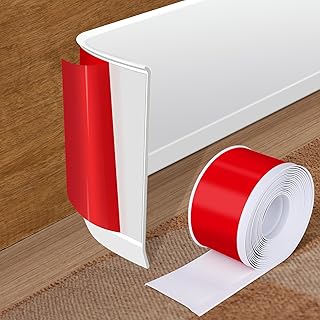
- Material: Premium PVC, waterproof and moisture-resistant.
- Dimensions: 4″ wide, 20 ft long, sturdy design.
- Installation: Pre-installed adhesive backing for easy peeling and sticking.
- Best For: Damp areas like kitchens and bathrooms, or garages needing a moisture barrier.
Who it’s best for: Garages with damp walls or those seeking a robust edge to protect corners. Limitations: PVC may feel firmer than vinyl in very curved transitions.
FONUNO Gray Vinyl Wall Base — Gray
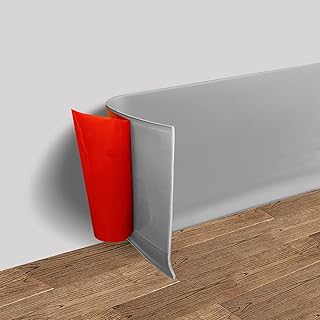
- Material: High-quality vinyl, flexible and durable.
- Dimensions: 4″ wide, 20 ft long, 1/12″ thick.
- Installation: Self-adhesive; heat adhesive if cold for better bonding.
- Best For: Neutral-toned garages, workshops, or utility rooms.
Who it’s best for: Spaces needing a matte gray base that hides dirt and scuffs. Limitations: Color may show dust more than lighter whites depending on lighting.
FONUNO White Vinyl Baseboard — White

- Material: Premium vinyl, flexible and durable.
- Dimensions: 4″ wide, 20 ft long, 1/12″ thick.
- Installation: Self-adhesive; heat adhesive if cold for best results.
- Best For: Bright, clean garage edges; pairs with light-colored walls.
Who it’s best for: Garages needing a bright edge to improve visibility and cleanliness. Limitations: White shows dirt more readily; regular cleaning helps maintain appearance.
Buying Guide
- Material considerations: Vinyl provides flexibility and moisture resistance; PVC adds rigid moisture resistance for damp environments. Choose based on space humidity and wall texture.
- Adhesion quality: Self-adhesive bases simplify installation. For colder garages, consider warming adhesive or pre-warming the adhesive with a hair dryer for better grip.
- Thickness and profile: Most options are around 1/12″ thick; thicker profiles can hide minor wall imperfections but may be less flexible around tight corners.
- Color and finish: Neutral tones (gray, white) hide dirt well; darker colors conceal scuffs but show dust more. Match with wall color and lighting.
- Surface compatibility: Ensure walls are smooth and clean before applying; glossy surfaces and textured walls may require surface prep or sandpaper to improve adhesion.
- Installation practicality: Peel-and-stick is fastest, but may require tool-free rollers to press firmly and avoid gaps. For larger areas, cut pieces to length and fit tightly to reduce gaps.
FAQ
Is peel-and-stick baseboard suitable for garages?
Yes. It provides moisture resistance, quick installation, and easy maintenance suitable for garages and workshops.
What should I do if the adhesive doesn’t stick?
Ensure the surface is clean, dry, and smooth. For cold spaces, heat the adhesive briefly with a hair dryer to improve bonding.
Can these bases cover wall imperfections?
Yes, to some extent. A 4″ baseboard can conceal small gaps along the floor-wall junction and protect corners from impact.
Which color is best for a garage?
Gray or white are common for garages because they hide dust and scuffs well and complement typical wall colors.
Are these bases durable long-term?
Vinyl and PVC trims are designed for durability and moisture resistance; choose a material suited to your garage’s humidity and foot traffic.