Answering the question “which food safe wood sealer spray should I choose?” this guide highlights five top options designed for wood contact with food, plants, and family use. Each option is chosen for safety, ease of use, and lasting protection. Best for kitchenware and cutting surfaces, best for garden items, best for durable indoor wood, and best for outdoor projects. This list helps buyers compare odor blocking, plant-safe formulas, and non-toxic finishes. A quick comparison table follows the introduction to help you pick quickly.
| Product | Best For | Key Benefit |
|---|---|---|
| Zinsser Bulls Eye Shellac | Indoor woodwork and walls | All-natural, non-toxic sealer with odor-blocking finish |
| Garden Box Sealer | Raised beds, planters, pet housings | Plant-based, FDA food contact safe, deep penetration |
| Kate Naturals Mineral Oil | Cutting boards and utensils | Colorless, odorless, food-grade mineral oil |
| Tried & True Original Wood Finish | All wood projects | Linseed oil & beeswax blend, durable and repairable |
| HOPE’S Tung Oil | Indoor and outdoor wood furniture | Natural tung oil, deep penetration, long-lasting |
Zinsser 408 Bulls Eye Shellac Spray
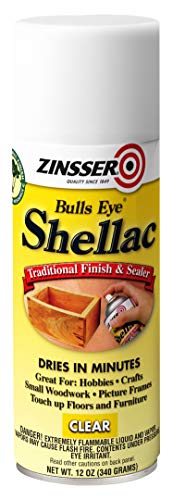
Features: Blocks odors in wood, plaster, drywall, and masonry; traditional finish & sealer; all-natural and non-toxic; easy to use.
Best for: Small craft projects, furniture refinishing, and indoor wood where odor masking is helpful. This shellac-based sealer provides a traditional, easy-to-apply finish that creates a protective barrier while reducing residual odors in the finished area. Choose this if you need quick, wipe-on protection with a natural profile and minimal surface preparation.
Caution: Shellac finishes can be sensitive to moisture and heat; avoid applying in high humidity or areas with frequent temperature fluctuations. Not ideal for exterior use without a compatible topcoat.
Garden Box Sealer | Plant-Based Wood Sealant

Features: FDA food contact safe; plant-based formula; deep penetrating natural oils; non-toxic with citrus scent; suitable for cedar and all wood types used in raised beds; long-lasting protection; also suitable for pet projects.
Best for: Garden projects, raised beds, planters, and pet enclosures where soil contact and plant safety matter. Use this when you want a 100% plant-based option with a clear emphasis on non-toxicity and garden safety. It’s a strong choice for outdoor wood that will contact soil or edible plants.
Caution: Some users may prefer a neutral scent; natural citrus scent may be noticeable during application. Ensure full cure before planting herbs or vegetables nearby.
Kate Naturals Mineral Oil for Wood

Features: Food-grade mineral oil for cutting boards; helps restore and protect dry surfaces; absorbs cleanly with no greasy residue; colorless, odorless, tasteless; meets food safety standards; also protects stainless steel blades and appliances from rust.
Best for: Kitchen utensils, cutting boards, and wooden countertops where a safe, odorless finish is desired. This oil is excellent for routine maintenance and rehydrating dry wood without altering color or texture.
Caution: Mineral oil doesn’t form a hard film; reapplication frequency depends on use. It’s not a hard sealant and should be used with other protective topcoats if high moisture exposure is expected.
Tried & True Original Wood Finish (8 oz)

Features: Linseed oil & beeswax blend; warm, soft appearance; durable against water and daily use; polymerized for fast curing; no solvents; indoor use safe without PPE; long-lasting repairability without stripping the wood.
Best for: All-purpose indoor wood projects where a natural, warm finish is desired and touch-ups are expected over time. Best for heirloom-worthy pieces that require a repair-friendly finish rather than a thick layer of film.
Caution: May require periodic reapplication to maintain appearance; darker woods will darken slightly with oil and wax blends.
HOPE’S 100% Pure Tung Oil

Features: Easy to use; deep penetration; non-oily solid finish; moisture, alcohol, oil resistance; natural hand-rubbed look; long-lasting.
Best for: Indoor and outdoor wood furniture where a penetrating oil finish is preferred over surface coatings. Choose this if you want a durable finish that enhances natural wood grain and remains flexible.
Caution: Tung oil requires cure time; ensure adequate ventilation during application and curing. Over-application can lead to a tacky feel until fully cured.
Buying Guide: Key Considerations When Choosing Food Safe Wood Sealers
- Food safety and usage: Confirm whether the product is labeled FDA food contact safe and suitable for direct contact with foods or edible plants. For garden use, plant-based or food-contact safe formulas are best.
- Intended environment: Indoor vs. outdoor usage affects sealant choice. Exterior uses typically require more durable, UV-resistant finishes; interior use can prioritize odor control and a natural look.
- Odor and drying time: Some finishes are low-odor and quick-drying, while shellac-based products may release more odor during application. Consider your tolerance for fumes and required project timeline.
- Penetration vs. surface film: Oils (like tung oil or linseed oil) penetrate wood fibers for a natural look, while shellac or varnish-type finishes form a surface film. Penetration is usually easier to repair without stripping.
- Renewal and maintenance: Some finishes require reapplication over time. Finishes with wax blends can be easier to touch up without full refinishing.
- Non-toxicity and ingredients: Look for plant-based, non-toxic options for gardening or pet areas. Avoid finishes with petroleum-derived components where garden soil or animal contact occurs.
- Ease of use: Consider spray formats for quick, even coverage on complex shapes, versus wipe-on or brush-on options for thicker finishes.
FAQ
- Which wood sealer is safest for cutting boards?
Food-grade mineral oil and certain plant-based sealants are widely used on cutting boards. Mineral oil (USP grade) is colorless and odorless, and plant-based sealers should be FDA safe for food contact.
- Can garden wood sealers be used on edible gardens?
Yes, plant-based garden sealers labeled FDA food contact safe are designed to minimize leaching the soil. Avoid acrylic or silicone-based sealers in garden beds.
- Do oil-based finishes protect wooden furniture outdoors?
Oil finishes like tung oil provide deep penetration and flexible protection, but many outdoors require periodic reapplication and may require a separate UV or topcoat for long-term durability.
- Are shellac sprays good for high-traffic indoor wood?
Shellac offers quick protection and odor sealing but may be less durable under heavy wear and moisture; it can be a good topcoat when followed by a compatible sealer or wax.
- How do I select between penetrating oil and film-forming sealants?
Penetrating oils preserve the wood’s feel and grain, ideal for furniture and cutting surfaces; film-forming sealants build a protective layer, better for surfaces exposed to spills and moisture.
- What maintenance is required for food-safe finishes?
Regular light reapplication or touch-ups maintain protection. Cleaning with non-abrasive cleaners helps preserve the finish between applications.