Choosing the right fire-safe finish protects walls, bricks, and hearths while reducing smoke and flame risk. This guide highlights five reliable paints and additives designed for fireplaces, bricks, and surrounding surfaces. It is best for homeowners renovating a wood-burning or gas fireplace, contractors applying interior accelerants, and DIY enthusiasts seeking clear, fire-resistive options. The table below compares key features to help you decide which product fits your project best.
| Product | Type | Best For | Notes |
|---|---|---|---|
| Master Flame Class A Fire Retardant Spray | Fire retardant spray | Absorbent materials, fabrics, wood coatings | Dries clear, non-toxic, NFPA 701 |
| Contego Original Formula Intumescent Coating | Intumescent paint | Walls, frames, interior surfaces | No VOCs, zero flame spread |
| GLAINTE Brick Transformation Paint | Brick/brick-friendly paint | Brick and fireplace surrounds | Water-based, low odor, multi-surface |
| Flamecheck M-111PA Fire Retardant Additive | Paint additive | Enhanced fire resistance in latex paint | Non-toxic, mix‑in, ASTM E-84 tested |
| INSL-X FR110099-01 INS-LX Fire Retardant Paint | Fire retardant paint | General interior surfaces needing fire retardancy | Low VOC, slows fire/smoke spread |
Master Flame Class A Fire Retardant Spray

Type: Fire retardant spray designed for wood, fabric, cotton, and more. Best for absorbent materials where a clear, odorless coating is desired. This spray is tested to NFPA 701 and ASTM E84, with a California Title 19 standard reference. The formula is non-toxic and dries clear in about 24 hours, making it suitable for occupied spaces. It’s easy to apply by spray, roll, or soak and allows a water-based finish on top. Use this for high-traffic interiors where fire-resistive coverage is needed on textiles or wood surfaces. Caution: avoid over-application on very glossy or sealed surfaces that may resist penetration.
Who this is best for: homeowners or small contractors needing a simple, clear fire-retardant layer on interior fabrics or wood without lingering odor. Why selected: strong compliance with NFPA 701 and ASTM E84, plus user-friendly application. Limitation: results depend on proper surface preparation and material porosity.
Giani Brick Transformations Whitewash Paint

Type: Water-based whitewash paint suitable for brick, including fireplace bricks. Best for bringing a fresh, rustic, or modern white brick look while updating surface protection. The product requires dilution at least 1:2 with water for full coverage. It’s a low-odor, VOC-conscious option that can cover up to 100 sq. ft. on brick surfaces. Use this when you want a visible brick transformation with relatively simple application. Caution: outdoor use requires sun and dry conditions for best results; fully dried paint resists water exposure.
Who this is best for: DIYers aiming for a bright brick makeover with a lighter, modern aesthetic. Why selected: water-based and low odor; covers brick efficiently. Limitation: dilution needs careful mixing for uniform finish.
Contego Original Formula Intumescent Coating

Type: Intumescent coating that swells when exposed to heat to block flames. Best for interior walls and frames around kitchens, nurseries, bedrooms, bathrooms, and garages. No VOCs, with strong adhesion and zero flame spread and smoke production. It is a latex, water-based coating designed to be user-friendly on various building materials. This is chosen for spaces where a surface-visible fire-resistant layer is desired during normal occupancy. Caution: water-based coatings require proper ventilation during application and curing.
Who this is best for: homeowners needing a fire-retardant layer across common interior surfaces. Why selected: no-VOC and strong fire-slowing properties. Limitation: more expensive than some standard paints and requires proper curing time.
GLAINTE Brick Transformation Paint Kit
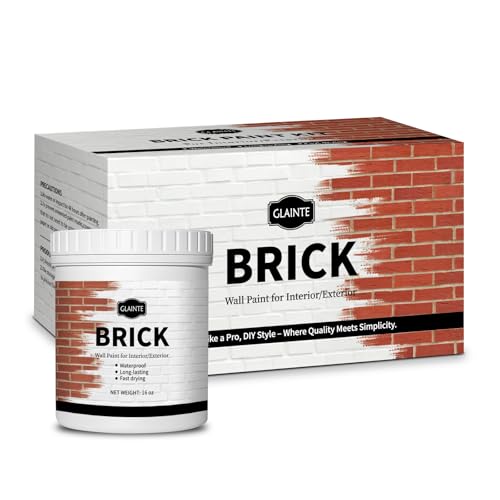
Type: White paint kit designed for bricks, fireplaces, walls, and concrete. Best for indoor and outdoor use with water-based, low-odor formula. It can be diluted with water to adjust opacity (1:1 for light veiling, 1:2 for bold finishes). Offers sun and waterproofing properties after drying and works on brick, concrete, wood, and more. Use this when you want a customizable brick finish with relatively low odor. Caution: outdoor use may require dry, sunny conditions to prevent washout in wet weather.
Who this is best for: homeowners seeking flexible, paint-on brick finishes for fireplaces or walls. Why selected: versatility across surfaces and adjustable opacity. Limitation: outdoor use must respect weather windows to maintain finish integrity.
INSL-X FR110099-01 INS-LX Fire Retardant Paint

Type: Fire retardant paint with a high-performance, low-VOC formula that slows the spread of fire and smoke. Best for general interior surfaces where fire resistance is desired without heavy odor. The formula emphasizes safer indoor air while reducing smoke development. This option is suitable for a broad range of walls and ceilings around fireplaces and living spaces. Caution: verify surface compatibility with existing finishes before application.
Who this is best for: builders and homeowners needing a reliable, low-VOC fire-retardant paint for multiple interior surfaces. Why selected: balance of fire retardancy and low VOCs. Limitation: may require multiple coats for optimal performance on highly porous substrates.
Buying Guide: Fire Safe Paints for Fireplaces and Surrounds
What to consider when choosing fire-safe finishes for fireplaces:
- Surface Type: Brick, wood, plaster, and stone each interact differently with paints and coatings. Intumescent coatings excel on structural surfaces, while brick-compatible paints offer aesthetic options for surrounds.
- VOC Levels: For occupied spaces, prioritize low-VOC or no-VOC formulas to minimize odors and indoor air impact.
- Fire Rating and Certifications: Look for products tested to NFPA 701, ASTM E84, and other relevant standards. Certifications indicate performance in actual fire scenarios.
- Finish and Appearance: If you want a visible brick transformation, select whitewash or brick paints. If you prefer a clear protective layer, a transparent retardant spray may be suitable.
- Application Method: Sprays suit large, flat areas; paints and intumescent coatings require brushes, rollers, or airless sprayers. Consider ventilation and drying times.
What’s the best choice for a fireplace retrofit?
For visual brick updates with added protection, GL Ainte and Giani options provide aesthetic options with varying coverage. If you need a conservative fire-resistive layer on interior walls, Contego and INSL-X offer robust performance with low VOCs. For fabric or wooden components that would benefit from a clear protective barrier, Master Flame stands out for its simplicity and NFPA conformity. Flamecheck M-111PA is a practical additive to convert regular latex paint into a fire-retardant coating, useful when you want to preserve existing paint color.
How should I prepare surfaces before applying fire-safe coatings?
Clean surfaces to remove dust and grease. For brick, brush away loose particles; for wood and drywall, lightly sand glossy finishes to improve adhesion. Follow product-specific instructions for priming, mixing, and curing times to ensure optimal fire resistance.
How long does fire-retardant coating protection last?
Durability depends on surface type and exposure. Some coatings form protective layers that resist regular wear, while others rely on reapplication after a defined period or upon significant surface damage. Check each product’s guidelines for recoat windows and surface maintenance.
Is smell a concern with these products?
Most modern fire-retardant paints and additives are formulated to minimize odor, especially water-based options. Ventilate during application and curing to ensure comfortable indoor air quality.
Can I use these products on a wood-burning hearth?
Yes, many fire-retardant paints and sprays are designed for wood and related materials. Confirm compatibility with your hearth’s original finish and ensure heat exposure limits align with product specifications.
Do these products have environmental or safety considerations?
Look for low-VOC or zero-VOC options when possible. Many products claim non-toxic formulations and compliance with safety standards, but always follow label directions, include proper ventilation, and avoid applying over substrates that may emit hazardous fumes under heat.
FAQ
- What is the best fire-retardant paint for brick fireplaces? The Contego Original Formula and GL Ainte options provide robust protection with distinct finish choices for brick and masonry surfaces.
- Can I mix a fire-retardant additive with my existing paint? Flamecheck M-111PA is designed for this purpose, enabling fire retardancy in standard latex paint without changing color.
- Are these coatings safe for occupied living spaces? Many are low- or no-VOC; check each product’s label for precise VOC values and safety guidance.
- Will these coatings affect the appearance of my brick or wood? Some products are clear or light-colored; others alter the surface color. Review finish options before application.
- How long does curing take after application? Curing varies by product and environmental conditions; consult the product page for expected drying times before use.
- Do these paints prevent smoke or flame spread effectively? Fire-retardant coatings slow flame spread and smoke production but should be part of a broader fire safety plan including detectors and clearance around heat sources.