Answer: The top finishes for wood table tops are protective topcoats and conditioners that seal surfaces, resist spills, and bring out natural wood beauty. This guide highlights five Amazon-relevant products and explains who each is best for, with practical reasons to help you choose. The selections cater to casual dining tables, antique or heirloom tops, modern interiors, and DIY repairs.
Summary of chosen products
- Howard Feed-N-Wax Wood Polish & Conditioner – Best for warm, natural luster on antique or detailed wood surfaces.
- Minwax Polycrylic Protective Finish (Clear Satin, ½ Pint) – Best for low odor, easy cleanup, and a crystal-clear satin look.
- Minwax Fast Drying Polyurethane Protective Wood Finish (Clear Gloss, 1 Quart) – Best for durable, glossy protection on high-traffic tops.
- Minwax Clear Polycrylic Protective Finish Gloss (½ Pt) – Best for small projects needing a clear gloss with minimal yellowing.
- Gorilla All Purpose Wood Filler (Natural Finish) – Best for repairing cracks and gouges before finishing to a seamless surface.
Howard Feed-N-Wax Wood Polish & Conditioner

Product overview: This blend polishes wood surfaces to a soft luster using Carnauba Wax, Beeswax, and orange oil. It’s suitable for antiques, dining tables, cabinets, doors, and trim, enhancing the natural beauty and depth of grain on both finished and unfinished wood.
Who it’s best for: Homeowners seeking a warm, natural finish that nourishes wood while preserving a soft sheen, especially on heirloom or detailed pieces.
Selected reasons: The wax-based formula creates a protective layer and brings out grain depth without a high-gloss appearance. Limitations: Not ideal as a hard, film-like topcoat for high-traffic surfaces where water contact is frequent; requires periodic reapplication for best results.
Minwax Polycrylic Protective Finish, Clear Satin, ½ Pint

Product overview: A clear protective finish designed to protect interiors, including woodwork, furniture, doors, and cabinets. It offers a crystal-clear satin sheen and serves as a topcoat over various stains and wood species, helping resist scratches and dirt.
Who it’s best for: Projects requiring a low-odor, easy-to-clean protective coat with a subtle satin finish that remains close to natural wood color.
Selected reasons: Non-yellowing and low odor make it suitable for indoor spaces where smell or color shift matters. Limitation: For extremely heavy-use surfaces, consider a more durable alternative or multiple thin coats.
Minwax Fast Drying Polyurethane Protective Wood Finish, Clear Gloss, 1 Quart
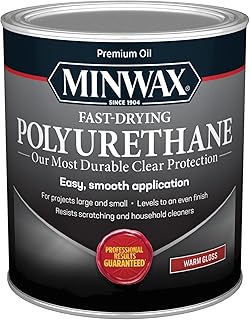
Product overview: Oil-based polyurethane provides durable protection for interior wood projects, including furniture, floors, doors, and cabinets. It delivers a warm, protective coat with a glossy finish that enhances the wood’s natural beauty.
Who it’s best for: High-traffic table tops or surfaces that require a tough, long-lasting barrier against scratches and spills, especially in kitchens or dining areas.
Selected reasons: Oil-based durability and high gloss are ideal for modern or traditional looks that benefit from a strong shield. Limitation: Higher odor during application and longer cure time compared to water-based options.
Minwax Clear Polycrylic Protective Finish Gloss

Product overview: A clear finish that protects and beautifies interior wood projects. It’s ideal over Minwax stains and colors and works on light woods like maple, ash, and birch. The gloss sheen provides a bright, modern look while remaining non-yellowing.
Who it’s best for: Projects needing a light, clear gloss that preserves the wood’s natural brightness without yellowing over time.
Selected reasons: Non-yellowing and low odor with a glossy finish makes it suitable for contemporary interiors. Limitation: Gloss may emphasize surface imperfections on very rustic or uneven surfaces.
Gorilla All Purpose Wood Filler, Natural Finish

Product overview: A versatile wood filler for repairs, providing water resistance and a natural finish. It’s designed to fill cracks and gouges and can be used indoors or outdoors, with paintable and stainable properties.
Who it’s best for: DIYers repairing minor table-top imperfections before finishing or staining, ensuring a seamless surface prior to applying a protective coat.
Selected reasons: Strong adhesion and water resistance help maintain a smooth surface before final finishes. Limitation: It’s a filler, not a topcoat; apply and sand thoroughly before finishing for best results.
Buying Guide: Finishing Wood Table Tops
What finish should I choose for a dining table?
Consider the level of use, desired look, and maintenance. For everyday dining with spill resistance, polyurethane finishes (oil-based for durability or water-based for lower odor) are common choices. For a natural or antique look, wax-based conditioners or clear polycrylics can provide a softer finish with easier repairability.
Should I use a wax-based conditioner or a varnish?
Wax-based products like Feed-N-Wax add depth and shine and are easy to re-wax. They’re best for pieces that aren’t heavily exposed to moisture. Varnishes and polyurethanes provide stronger protection against scratches, heat, and spills, making them better for busy dining surfaces.
How important is the sheen level?
Satin sheens appear more natural and hide minor surface imperfections, while gloss finishes provide a bright, modern look but can highlight flaws. Choose satin for everyday tables and gloss for decorative or contemporary tabletop aesthetics.
What about odor and curing time?
Water-based finishes have lower odor and faster curing, suitable for indoor spaces with limited ventilation. Oil-based finishes offer greater durability but longer cure times and stronger odor. Plan room usage accordingly during the finishing process.
How do I repair surface damage before finishing?
For small scratches or chips, use a suitable wood filler and sand smooth. After filling, rejoin with a compatible topcoat. Always match the filler color to the wood and test on a hidden area before full application.
Maintenance tips
Regularly wipe surfaces with a soft cloth to prevent buildup, avoid abrasive cleaners, and reapply protective coats as needed based on wear. Re-coating may be necessary every few years on high-use tables.
Quick comparison at a glance
- Best for natural look and easy restoration: Howard Feed-N-Wax
- Best all-around small project finish: Minwax Polycrylic Satin
- Best durable topcoat for high-traffic: Minwax Fast Drying Polyurethane Gloss
- Best clear gloss for bright modern look: Minwax Gloss Polycrylic
- Best for repairing before finishing: Gorilla Wood Filler
Frequently Asked Questions
- What is the easiest finish to apply on a wood table top?
Water-based polycrylic finishes are typically easier to apply with lower odor and quick cleanup. - Which finish resists spills best for a kitchen table?
Durable polyurethane coatings (oil- or water-based) provide strong resistance to spills and scratches. - Can I use wax on a new table top?
Yes, wax can enhance the look, but it requires periodic reapplication and isn’t ideal for high-traffic surfaces. - Is a glossy finish better than a satin finish?
Glossy finishes offer a modern, bright appearance but may highlight flaws; satin hides imperfections and wears well in busy spaces. - Do finishes yellow over time?
Some oil-based finishes can yellow slightly with age; water-based polycrylics are less prone to yellowing.