Direct answer: For brick-wall crack repair and patching, choose a fast-setting, weather-resistant filler that bonds to masonry and dries paintable. This guide highlights five top products suited for interior and exterior brick applications, from waterproof masonry crack fillers to epoxy patches and practical weep-hole solutions. The selections balance ease of use, durability, and suitability for brick and concrete joints. Ideal buyers include DIY homeowners, amateur repairs, and professionals seeking reliable, low-muss repair options.
Summary of chosen products:
| Product | Brand | Best For | Notes |
|---|---|---|---|
| DRYLOK Masonry Crack Filler | Drylok | Fast cracks in concrete, walls, and floors | Waterproofs and paints in 1 hour |
| Akona Epoxy Crack Repair | Akona | Horizontal or exterior cracks, water leaks | Injectable epoxy for stronger bonds |
| DAP DryDex Dry Time Indicator Spackling (32 Oz) | DAP | Small to mid cracks and holes | Color indicator goes pink to white |
| DAP Concrete Patcher and Resurfacer | DAP | Defects in concrete and brick surfaces | Professional-strength, fast setting |
| 100 PCS Stainless Steel Brick Weep Hole Covers | LCGAOYA | Brick wall weep holes and ventilation | Stainless steel, cut to fit |
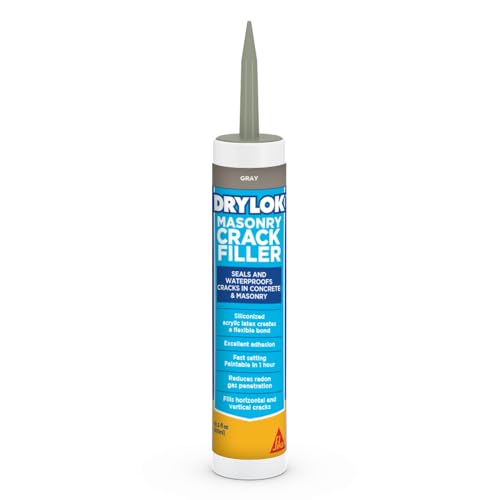
DRYLOK Masonry Crack Filler
What it is: A fast-setting masonry crack filler designed to seal and waterproof cracks in concrete, masonry walls, and floors. It provides a durable, paintable finish in about an hour with a 12-hour cure time. This product is suited for concrete walls, foundations, driveways, patios, sidewalks, steps, and floors where cracking occurs. It offers a robust barrier against water intrusion, making it a good choice for basements or exterior brickwork exposed to the elements.
Best for: Homeowners repairing visible structural cracks in masonry that need quick sealing and painting without long downtime. It is particularly useful where water intrusion is a concern and a paintable surface is required soon after application.
Why selected: It combines waterproofing with fast-setting, paintable results, simplifying the repair workflow for brick or concrete surfaces. The product’s emphasis on weather resistance makes it a practical pick for exterior brick walls as well as interior masonry.
Caution: Ensure surfaces are clean and dry; excess moisture or dust can weaken adhesion. Follow curing times to achieve maximum hardness and water resistance.
Boncart Drywall Repair Kit
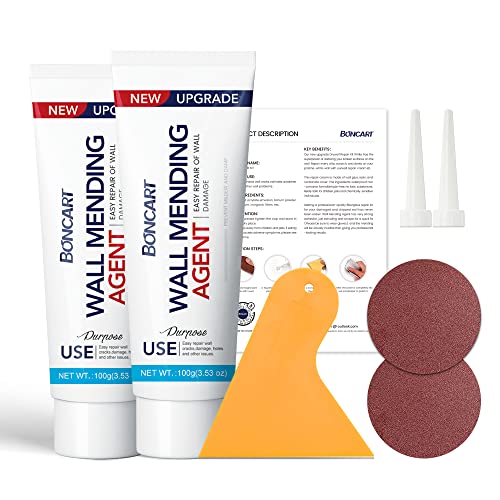
What it is: A drywall repair kit with two repair compounds, scrapers, extenders, and sandpaper. While designed for drywall, the kit is a practical choice for brick or plaster walls needing quick spackling and patch work where a clean, smooth finish is desired. It’s a convenient solution for smaller interior crack repairs and wall holes.
Best for: DIYers repairing interior brick or plaster walls where patch invisibility and easy sanding are priorities. It provides an all-in-one approach for small to mid-size repairs.
Why selected: The kit’s ready-to-use components support fast, controlled repairs with a finish suitable for paintable results. It’s especially helpful for quick touch-ups before painting or wallpapering.
Caution: Results may be less durable on highly porous or heavily textured brick surfaces; consider a dedicated masonry crack filler for exterior cracks or structural concerns.
DAP DryDex Dry Time Indicator Spackling (1 oz)

What it is: A latex polymer spackle with a color-changing indicator that goes from pink to white as it dries. The 1-ounce size is ideal for small repairs on interior or exterior surfaces like drywall, plaster, wood, brick, and stone. It is designed to show when the patch is dry, reducing guesswork in repair timing.
Best for: Quick, small crack repairs where a drying indicator helps ensure completion before paint or finishing. It’s handy for minor brickwork repairs around windows or interior accent walls.
Why selected: The color-change feature simplifies patch timing and helps prevent over-sanding or repainting prematurely. It provides a clean, minimal finish for cosmetic fixes.
Caution: For larger cracks, use a product rated for bigger repair volumes to ensure structural integrity and paint adhesion for the finished surface.
DAP Concrete Patcher and Resurfacer

What it is: A cement powder-based patcher that mixes with water and can be poured or troweled into defects. It is a professional-strength formula designed to resist cracking and shrinking, suitable for concrete patches and repairs in bricks or masonry where a solid, durable repair is needed. It sets quickly when used with cold water for extended pot life.
Best for: Repairing larger concrete or brick defects, cracks, and surface irregularities that require a more robust patch than standard spackling. It is suitable for exterior and interior repairs on brick surfaces that encounter foot traffic or weather exposure.
Why selected: The product’s mixability and fast setting help restore structural and surface integrity, reducing the likelihood of re-cracking compared to simpler fillers. It offers a reliable option for more demanding brick repairs.
Caution: Follow mixing instructions precisely; improper ratios can affect set time and strength. Apply to clean, damp surfaces for best adhesion.
100 Pcs Stainless Steel Brick Weep Hole Covers

What it is: Stainless steel weep hole covers designed for brick walls. These covers prevent debris from entering while maintaining necessary ventilation for the wall cavity. They can be cut or stacked to fit different weep hole sizes and include a stainless steel spatula for installation.
Best for: Brick walls with visible weep holes that need protection or where venting must be preserved. The kit is ideal for drainage-aware maintenance and aesthetic improvements around masonry openings.
Why selected: This accessory helps protect interior cavities and maintains brickwork durability by reducing material intrusion and water-related issues around weep holes.
Caution: Proper sizing and installation are important; ensure you wear gloves and eye protection when cutting or handling the metal components.
Buying Guide: Key Considerations for Brick-Wall Fillers
- Surface compatibility: Choose fillers specified for concrete, brick, and masonry to ensure proper adhesion and durability on brick surfaces.
- Setting time: Fast-setting options reduce downtime for exterior repairs, but some jobs benefit from longer work times for large patches.
- Moisture resistance: For exterior brick, prioritize waterproof or water-resistant formulations to minimize future damage from moisture.
- Finish and paintability: If you plan to paint, select a product described as paintable and compatible with common masonry paints.
- Crack size and depth: For large or deep cracks, epoxy or concrete patchers may be more effective than standard spackling.
- Interior vs exterior use: Some products are optimized for interior walls; exterior repairs require weather-resistant formulas.
- Ventilation and weep holes: If addressing brick walls with weep holes, consider dedicated covers to protect cavities without blocking ventilation.
Frequently Asked Questions
- Q: Can I use standard wall spackle on brick walls? A: For small interior cracks, spackling can work, but brick and exterior surfaces typically require masonry-specific fillers for durability and moisture resistance.
- Q: How long should I wait before painting after applying a masonry filler? A: Follow product-specific drying times; many fast-setting fillers are paintable within about an hour, but full cure may take longer.
- Q: Is epoxy filler better than acrylic for brick cracks? A: Epoxy fillers provide stronger bonds and better resistance to water and movement, suitable for structural cracks; acrylic-based fillers are easier to apply for cosmetic repairs.
- Q: Do I need to seal brick after patching? A: Sealing is beneficial in damp or exterior conditions to protect against moisture, depending on the product’s instructions.
- Q: Are weep hole covers necessary on brick walls? A: They’re useful to prevent debris while maintaining ventilation; choose covers sized for your specific weep hole dimensions.
- Q: How do I choose between patcher and filler for a large brick crack? A: For large defects, a concrete patcher or epoxy repair typically provides better long-term strength and crack resistance than lighter spackling.