Answering your search for exterior wood preservative products with clarity: this guide highlights five options that protect against moisture, rot, and insects while preserving the natural look of wood. Best for DIY homeowners, professional contractors, or weekend project enthusiasts, these selections balance penetration, durability, and ease of use. The table below compares key details to help you choose quickly.
| Product | Type | Best For | Notes |
|---|---|---|---|
| Zinsser 01904A Wolman, WoodLife Coppercoat | Wood preservative with copper-based protection | Pressure-treated lumber, exposed exterior wood | Deep penetration; rot/termite resistance |
| Rust-Oleum WOODLIFE 902 Wolman Classic Clear | Clear exterior wood preservative; water repellent | Above-ground decks, fences, siding | Clear finish preserves natural color; 24-hour recoat |
| Tenino Copper Naphthenate 17% | Copper naphthenate wood preservative | End-cuts and pressure-treated lumber | High concentration; meets AWPA M4 |
| YKF Clear Outdoor Wood Sealer Kit | Water-based polyurethane sealer with sprayer | Decks, fences, outdoor furniture | Clear satin finish; enhances grain |
| Nordicare Teak Oil Outdoor Wood Oil | Oil-based exterior wood oil and sealer | Teak, Acacia, Oak; weathered wood restoration | restores and protects wood tone; easy application |
Notes: This table provides a quick snapshot. Details and suitability can vary by wood type, climate, and existing finishes. Read product labels for application and safety instructions before use.
Zinsser 01904A Wolman Coppercoat: Deep Penetrating Copper Protection

Overview: A copper-based wood preservative designed to protect pressure-treated lumber and exposed exterior wood. It penetrates deeply into wood fibers to help resist rot, decay, and termite intrusion. Best for DIYers seeking durable, long-lasting protection with strong fungal and insect resistance.
Best for: Homeowners and builders working with pressure-treated lumber or new exterior wood projects that demand robust protection against moisture-related damage.
Why selected: Copper-based chemistry provides a protective barrier that targets common wood-damaging organisms. The product’s deep penetration supports longevity in high-moisture environments.
Caution: Copper-based products can leave a visible tint on visually sensitive woods; consider testing on a inconspicuous area first and ensure proper ventilation during application.
Wolman Classic Clear Wood Preservative

Overview: A clear exterior wood preservative with fungicidal properties and water repellency. It preserves the natural color of wood, allowing natural graying over time unless a topcoat is applied. It also serves well as a primer to extend top-coat life on exterior wood intended to be painted or stained.
Best for: Projects where maintaining the natural wood appearance is important and you plan to paint or stain later, or when using a clear protective layer without changing color.
Why selected: The clear formula minimizes color change while delivering protective benefits, and its role as a primer can extend the life of subsequent topcoats.
Caution: The finish may require reapplication sooner in high UV exposure or severe weather conditions; ensure recoat timing aligns with product guidelines.
Tenino Copper Naphthenate 17% Concentration

Overview: Ready-to-use copper naphthenate with a high copper percentage. This wood preservative meets AWPA M4 standards and is required by building codes for end-cuts of pressure-treated lumber. It is low-VOC and domestically sourced.
Best for: Projects requiring code-compliant end-cuts protection and a robust, copper-based defense against rot and insects in exterior wood installations.
Why selected: Its high copper content and compliance with building standards make it a reliable choice for critical end-cuts and moisture-exposed joints.
Caution: Suitable for specific jurisdictions and applications; verify local code requirements and compatibility with existing finishes on your project.
YKF Clear Outdoor Wood Sealer Kit

Overview: A ready-to-use kit featuring a water-based polyurethane sealer with a spray option. Provides a clear satin finish that enhances natural wood tone while protecting decks, fences, and outdoor surfaces from moisture and wear.
Best for: Homeowners seeking a user-friendly, low-odor option that dries quickly and allows natural wood grain to show.
Why selected: The spray-ready kit simplifies application for larger surfaces and reduces mess, making it suitable for DIY projects without specialized equipment.
Caution: Water-based sealers may require more frequent maintenance in harsh sun or heavy wear areas compared with solvent-based options.
Nordicare Teak Oil Outdoor Wood Oil
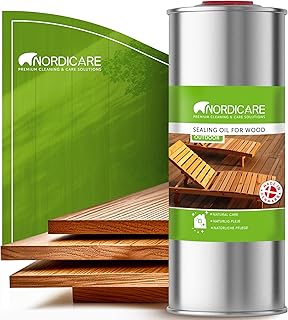
Overview: Teak oil formulated to restore weathered outdoor wood and provide ongoing protection. Suitable for teak, acacia, oak, and other outdoor woods, helping to maintain color and grain while providing a protective barrier against drying and UV exposure.
Best for: Wood furniture, outdoor structures, and weathered wood needing revival without heavy gloss or opaque coatings.
Why selected: It emphasizes restoring natural tone and grain while offering protective benefits, which is ideal for wood already showing wear but wanting to keep a natural look.
Caution: Oil-based finishes can take longer to cure and may require solvent cleanup; ensure adequate ventilation and follow curing times for best results.
Buying Guide: Exterior Wood Preservatives
What should you consider when choosing?
- Wood type and condition: New pressure-treated lumber vs. weathered wood may require different treatments (copper-based vs. clear protectants).
- Climate and moisture: Humid, coastal, or rainy areas benefit from products with strong water repellents and rot resistance.
- Finish preference: Clear, natural-tone, or tinted finishes affect appearance and maintenance intervals.
- Application method: Sprayer compatibility, brush-on, or wipe-on formats influence ease of use for larger surfaces.
- VOC and safety: Low-VOC options help with indoor use or sensitive environments; always follow label directions.
Comparative tips
- For maximum rot and termite defense in exposed areas, copper-based products often outperform plain water-repellent sealers.
- Use clear preservatives if you plan to paint or stain later, to avoid color shifts.
- End-cuts and joints in pressure-treated lumber should have dedicated preservative protection per building codes.
- Oil-based finishes tend to deepen wood tones and provide durable protection but require longer curing and cleanup considerations.
Maintenance considerations
- Reapplication frequency depends on UV exposure, precipitation, and wear. Follow product guidelines for recoat intervals.
- Surface preparation, including cleaning and removing old finishes, improves adhesion and longevity.
- Ventilation and proper handling are essential for solvent-based products; store away from heat sources.
FAQ
- Q: Which exterior wood preservative is best for DIY decks?
A: A copper-based or clear water-repellent preservative is often preferred, depending on whether you want color retention or a natural look. - Q: Can I apply a clear preservative over an existing stained deck?
A: In most cases, yes, but ensure the surface is clean and compatible with the new coating; test a small area first. - Q: Are copper-based products safe for indoor use?
A: Most are intended for exterior use; always check the label for indoor applicability and ventilation requirements. - Q: Do these products prevent wood from drying or cracking?
A: They help reduce moisture intrusion and may slow cracking, but no finish completely stops natural wood aging. - Q: What’s the difference between a wood sealer and a wood preservative?
A: Sealers primarily deter moisture; preservatives protect against fungi, rot, and insects and sometimes include water repellents. - Q: How soon can I recoat after application?
A: Recoat timing varies by product; follow the label for recoat windows and surface readiness.