Clear, accurate epoxy application starts with the right tools. This guide highlights five top-rated epoxy and resin application tools, chosen for versatility, durability, and user-friendly design. Ideal buyers include DIY hobbyists, auto body repair enthusiasts, craftspeople working with resin, and small-shop renovators who want cleaner finishes and fewer air bubbles. Below you’ll find concise comparisons, product strengths, and practical buying tips to help you choose confidently.
Product Comparison at a Glance
| Product | Best For | Key Benefit |
|---|---|---|
| Frienda 6 Pcs Body Filler Spreaders | Auto body repair, glaze and putty work | Multiple sizes for versatile application |
| PEASUG Body Filler Spreader, 9 Pack | Auto body and epoxy projects | Three sizes, reusable and durable |
| JIYIN 4 Pcs Adhesive Spreader | Fine epoxy and tile projects | Notched edge for controlled spread |
| Custom Shop Plastic Body Filler Spreader Pack | Automotive and crafts with caulk and epoxy | Flexible spreaders in multiple sizes |
| KISREL Silicone Measuring Cups for Resin | Resin mixing and color coordination | Large capacity cups with multiple small cups |
Frienda 6 Pcs Body Filler Spreaders
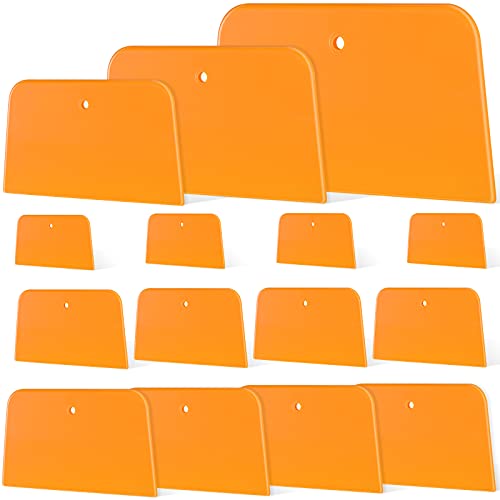
The Frienda set includes two trapezoid-shaped spreader sets (three pieces each, six pieces total). Sizes include small (~4 inches), medium (~5 inches), and large (~6 inches), accommodating most car panels and repair jobs. Made from durable plastic that resists deformation, these spreaders are best for automotive putties, glazes, and light epoxy applications. They are reusable, cost-efficient, and suitable for family sharing.
Best for: Auto body repair technicians and DIYers needing a simple, reusable spreader for various panel sizes. Better for: routine putty and glaze work on cars and trucks. Choose this if: you want a cost-effective, lightweight tool set with multiple sizes in one package.
Caution: Plastic spreaders may wear over time with heavy use; inspect edges for burrs before application.
7PCS Silicone Brush Applicator Kit

This 7-piece silicone brush kit features high-quality brushes with TPR heads, PS handles, and aluminum tubes. It’s designed for precision in resin work, makeup, and other crafts. The brushes are durable, lightweight, and easy to clean, with fluid-resistant silicone surfaces that minimize product waste. The compact design supports travel and on-the-go projects.
Best for: Small-scale resin color mixing, UV resin details, and cosmetic applications. Better for: users who value clean, reusable tools that resist sticking resin. Choose this if: you want a portable kit that reduces material waste and is easy to sanitize.
Caution: Some users may need larger brushes for big resin pours; use the appropriate brush size for your task to avoid over-application.
KISREL Silicone Measuring Cups for Resin

This resin measuring kit includes one 600 ml large silicone cup, four 100 ml cups, three silicone stirring sticks, and two silicone cups, delivering significant mixing capacity for larger batches and multiple color blends. Made entirely of silicone, the set cleans easily after curing and is reusable. Large cups help reduce pauses during complex mixing workflows.
Best for: Projects requiring bigger batches or multiple color blends. Better for: resin artists who need reliable, easy-to-clean measuring tools. Choose this if: you frequently mix larger volumes and want convenient, stackable measuring options.
Caution: Silicone cups can be slippery when wet; keep a stable workspace to prevent spills during mixing.
JIYIN 4 Pcs Adhesive Spreader

JIYIN’s 4-piece set features a Notched edge with 3/16″ teeth. The grooved design helps control adhesive or epoxy spread, reducing air bubbles in porous substrates. The spreaders’ size (~5.3 x 3.7 x 0.16 inches) suits tight corners and edge work around tiles, cabinets, and countertops. Suitable for epoxy, adhesives, and putties.
Best for: Fine epoxy and tile adhesive work where a notch is advantageous. Better for: precision spreading on corners and narrow spaces. Choose this if: you need a thin, notched edge to simplify air bubble reduction.
Caution: The 3/16″ notch may be too coarse for very thin epoxy layers; for delicate finishes, opt for a non-notched spreader if available.
Custom Shop 4, 5, & 6 Inch Plastic Body Filler Spreader Pack

This variety pack provides 4-inch, 5-inch, and 6-inch spreaders crafted from flexible plastic. The flexible design acts as a squeegee to ensure smooth, even coverage of automotive body fillers, putties, glazes, and epoxy resins. The spreaders aim to minimize air pockets while enabling efficient material transfer.
Best for: Automotive body work and general epoxy or putty spreading. Better for: projects that require a balance of reach and control across larger panels. Choose this if: you want a flexible pack that covers multiple task sizes in one purchase.
Caution: Flexibility is helpful, but excessive bend or force may lead to edge wear; inspect for nicks before use on critical surfaces.
Buying Guide: Epoxy Resin Application Tools You Need
What tool types should I prioritize for epoxy projects?
For epoxy and resin work, prioritize spreaders, notched spreaders, silicone brushes, and measuring tools. Spreader sets ensure even distribution and minimize air pockets. Silicone brushes help with precise pigment placement and cleanup. Measuring cups reduce waste and improve color accuracy in resin pours.
How to choose the right sizes and shapes?
Choose sizes based on your project scale. Small spreaders (around 4 inches) work well for corners and fine detailing. Medium (5 inches) cover mid-sized panels, and large (6 inches) handle broad surfaces. Notched options are useful for controlled adhesive application, while plain spreaders are versatile for even coats.
What material matters most for longevity?
Durable plastics resist deformation under pressure. Silicone tools resist sticking and are easy to clean after resin cures. Silicone measuring cups offer easy removal of cured resin and repeated reuse, which saves time and money over multiple projects.
Are there any safety or maintenance tips?
Rinse tools after use with appropriate solvents or warm soapy water, depending on the resin type. Allow tools to dry completely before storing. Inspect tools for cracks or burrs that could mar surfaces. Store in a dry, cool place to prevent material fatigue.
How do I avoid common epoxy application issues?
Use the right spreader or notched edge to minimize air entrapment. Work in a well-ventilated area, and avoid overworking the epoxy, which can introduce bubbles. Clean up spills promptly to prevent cured resin from hardening on tool surfaces.
Frequently Asked Questions
- What is the best spreader for automotive epoxy? A flexible plastic spreader in 4–6 inch sizes, plus a notched option if you need controlled application around edges.
- How do I prevent air bubbles in epoxy with tools? Use a notched spreader or a roller to release trapped air and apply in thin, even coats.
- Can silicone brushes be reused after epoxy curing? Yes, silicone brushes are designed for reuse; clean promptly after use.
- Are measuring cups necessary for resin work? They help ensure accurate resin-to-hardener ratios and consistent batches, especially for color blends.
- Which tool is best for large resin pours? Large capacity measuring cups and broad spreaders minimize rework and support uniform distribution.
- Do these tools work with caulks and glazes? Yes, most spreaders are suitable for caulks, glazes, putties, and epoxy resins with flexible handling.