If you need a primer that can be applied to damp cement and block walls, these five products offer reliable moisture protection and strong adhesion. They are best for basements, garages, or any moisture-prone area. The top picks cater to different needs, from direct-to-damp application to ready-to-use underlayments. This guide helps you compare options, so you can choose the right damp proof membrane primer for cement projects.
Summary table of selected products:
| Product | Best For | Key Benefit |
|---|---|---|
| Zinsser WaterTite White Damp Wall Primer | Direct-to-damp concrete walls | Stops water intrusion and hydrostatic pressure up to 34 psi |
| Drybase Liquid Damp Proof Membrane | Interior & exterior walls and floors | Two-coat, quick-drying membrane with strong bond |
| SIKA Sikalevel Self-Leveling Underlayment Primer | Concrete and cement screeds | Ready-to-use, forms excellent bond with underlayment |
| Liquid Rubber EPDM & TPO Primer | RV roofs and EPDM surfaces | Improves adhesion for coatings on rubber-based membranes |
| Polar Clear Binding Primer | Drywall, plaster, cement, stucco | High adhesion with low VOC, breathable film |
Zinsser WaterTite White Damp Wall Primer

The WaterTite primer is designed to apply directly to damp concrete, masonry, and other interior or exterior surfaces. It creates a protective barrier against water intrusion and dampness. The product uses Portland Cement-based chemistry to resist hydrostatic pressure and prevent seepage. Best for basements, cellars, and garages where moisture is persistent. Choose this if you need a direct-to-damp solution with long-term protection.
Best for: Basements and other moisture-prone areas where walls stay damp. This primer is chosen for its hydrostatic resistance up to 34 psi. Caution: Ensure surface is free from loose debris and follow curing guidelines for optimal performance.
Drybase Liquid Damp Proof Membrane (1 Litre White)

Drybase is a versatile damp-proof membrane suitable for interior and exterior walls and floors. It bonds to a wide range of substrates, including brick and timber, forming a high-strength barrier against moisture and ground gases. The two-coat system dries quickly and does not require specialized curing. Best for projects where you need a fast-drying, strong bond across multiple substrates. Beware of incorrect substrate preparation for best results.
SIKA Sikalevel Self-Leveling Underlayment Primer

This primer is ready to use with no dilution and is specifically designed for use with Sika Self-Leveling Underlayment. It helps prevent water loss from the underlayment into the substrate, ensuring a stable, bonded surface. Best for cement screeds and leveling applications where a reliable bond to the underlayment is essential. Limitation: Must be used with the corresponding Sikalevel system for optimal results.
Liquid Rubber EPDM & TPO Primer

This EPDM primer is a water-based rubber polymer designed to boost adhesion on EPDM surfaces. It’s ideal for RV roofs and other rubber membranes where a durable base coat is required before applying a roof coating or sealant. Best for rubber-based substrates; better for surface preparation than for bare cement walls. Limitation: Primed surfaces should be allowed to dry before applying top coatings.
Polar Clear Binding Primer
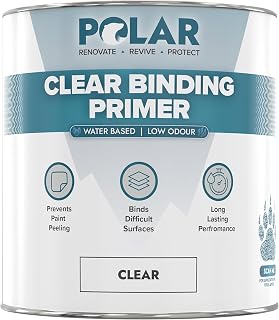
Polar Clear Binding Primer is a high-adhesion, clear base coat suitable for drywall, plaster, cement, and stucco. It seals and stabilizes damaged surfaces while ensuring excellent adhesion for subsequent coatings. It’s low-VOC and breathable, making it suitable for both interior and exterior use. Best for projects requiring a clear, breathable primer that minimizes visible residue while maximizing bonding strength.
Buying Guide: Key Considerations for Damp Proof Membrane Primers
- Application conditions: Many damp-proof primers are designed for damp or lightly damp surfaces. Check whether the product can be applied directly to moisture-laden walls and the recommended moisture range.
- Surface compatibility: Consider which substrates you must treat, such as concrete, masonry, brick, timber, or stucco. Choose a primer with proven adhesion to those surfaces.
- Hydrostatic resistance: For areas with high moisture pressure, look for products specifying hydrostatic resistance or water-blocking performance.
- Two-coat vs. single-coat: Some products require multiple coats or pairing with other systems (underlayment or topcoat). Plan your application sequence accordingly.
- Drying time and curing: Quick-drying formulations can speed up projects but may require precise timing for recoats or subsequent coatings.
- VOC and breathability: Low-VOC and breathable primers are preferred for indoor use and areas with ongoing moisture movement.
- Compatibility with top coatings: If you plan to coat over the primer, verify compatibility with paints, sealants, or waterproofing membranes.
Frequently Asked Questions
- What is a damp proof membrane primer?
Answer: It is a primer formulated to bond to damp concrete or masonry, forming a moisture-blocking layer that prepares the surface for further coatings. - Can I apply these primers directly to damp concrete?
Answer: Some primers are designed for direct application to damp surfaces; always follow product-specific directions for drying times and moisture limits. - Which primer is best for basements?
Answer: Primers that offer hydrostatic resistance and direct-to-damp application, such as WaterTite, are commonly favored for basement walls. - Do I need to seal after priming?
Answer: Depending on the system, a topcoat or waterproofing membrane may be required after priming to achieve complete moisture protection. - Are these primers safe for interior use?
Answer: Many are low-VOC and breathable, making them suitable for interior applications when used as directed. - How long before painting after priming?
Answer: Drying and recoat times vary by product; follow manufacturer guidance for the best results.