Finding the right color additive for concrete sealers can be a game changer for both aesthetics and protection. This guide highlights five solid options that work with popular sealers and deliver different looks, from translucent tinting to opaque color and high-gloss finishes. Best for DIYers, contractors, and homeowners seeking easy-to-mix color options with predictable results. The table below summarizes key choices to help you compare at a glance.
| Product | Best For | Finish Type | Notes |
|---|---|---|---|
| Foundation Armor Semi-Transparent Tint Packs | Greys and Browns for natural stone look | Semi-transparent | Works with solvent-based acrylic sealers; up to 4 oz per 5 gallons |
| Foundation Armor Acrylic Color Pack (Tile Red) | Opaque, bold color accents | Opaque, paint-like | Requires mixing into sealer; 32 oz covers up to 5 gallons |
| Color Seal H₂O (Water-Based) | Vivid color with water-based protection | Colored water-based sealer | UV protection and fade resistance |
| Black Diamond Stoneworks Color Enhancer Sealer (1 Quart) | Natural stone and paver color restoration | Enhancer/sealer | Restores faded surfaces; water-based |
| Shabebe Wet Look Natural Stone Sealer | Deep, glossy color for stone and concrete | Wet-look gloss | High gloss and hydrophobic protection |
Foundation Armor Semi-Transparent Tint Packs for Solvent-Based Sealer

Best for achieving a natural look with minimal color change, these tint packs are designed to enhance the inherent brown or gray tones of concrete. Use up to one 4 oz pack for every five gallons of solvent-based acrylic sealer. The semi-transparent finish preserves texture while enriching color. This option is well-suited for projects aiming for a subtle, natural enhancement on driveways, patios, or pavers. Caution: color depth can vary with surface porosity and sealer thickness; test a small area first.
Foundation Armor Acrylic Color Pack (Tile Red)

Best for bold, opaque color accents that resemble painted tile effects, this color pack creates a painted-like finish when mixed into solvent-based acrylic sealers. A 32 oz container covers up to five gallons of sealer, making it a practical choice for projects requiring strong color impact. Ideal for decorative concrete applications or features where a defined, uniform red is desired. Caution: opaque finishes can obscure surface texture if applied heavily; follow mixing recommendations.
Color Seal H₂O – Color Acrylic Sealer for Concrete

Best for water-based color applications that offer UV protection and fade resistance, Color Seal H₂O provides a colored sealer option without solvent odors. Ideal for indoor or outdoor projects where water-based formulas are preferred. This option combines color with protective performance, helping maintain color integrity under sunlight. Caution: color durability may depend on surface porosity and exposure; test color on a small area first.
Black Diamond Stoneworks Color Enhancer Sealer (1 Quart)
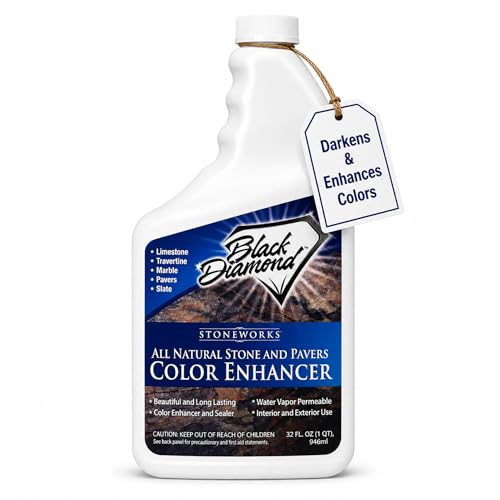
Best for reviving and deepening natural color in stone, grout, pavers, and concrete, this water-based enhancer sealer brings back richness to weathered surfaces while providing breathable protection. It’s a solid choice when you want enhanced color without a heavy opaque coating. Caution: results depend on existing surface condition; some areas may require multiple coats to achieve desired depth.
Black Diamond Stoneworks Color Enhancer Sealer (1 Gallon)
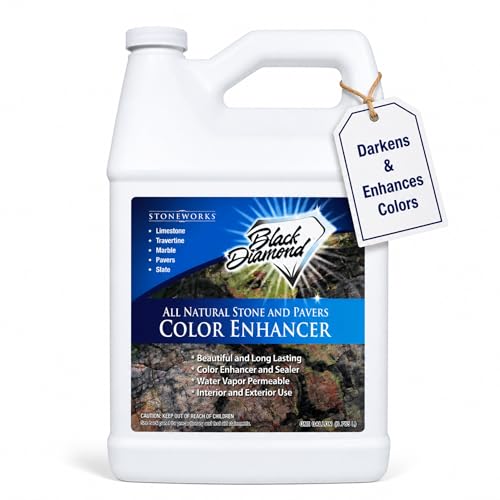
Best for large outdoor or indoor areas needing deep color with protective sealant, this gallon option covers substantial areas and preserves natural color across stone, concrete, and grout surfaces. It emphasizes breathability while sealing against water damage. Caution: color depth can vary with substrate porosity; test area first to gauge final appearance.
Shabebe Wet Look Natural Stone Sealer
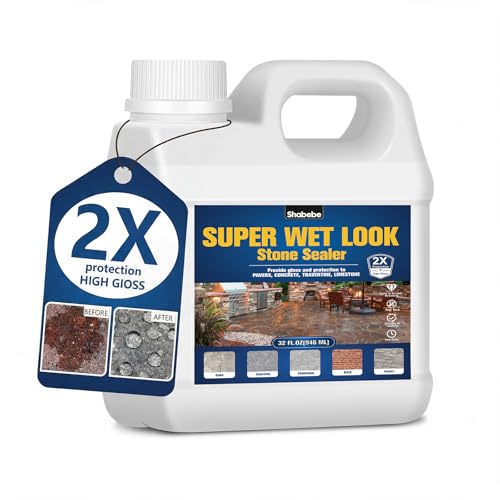
Best for achieving a high-gloss, wet look on stone and concrete surfaces, this sealer provides an impregnating, hydrophobic barrier that helps resist moisture and deicing salts. It enhances color depth while delivering long-lasting gloss. Note: more porous surfaces may require additional coats for the desired look; final results depend on material type and application technique. Caution: higher gloss may accentuate surface flaws on uneven substrates.
Buying Guide
What should you consider when choosing a concrete sealer color additive?
- Surface type: Natural stone, concrete, pavers, or decorative overlays may react differently to tint packs and color enhancers. Choose products designed for your substrate.
- Finish preference: Do you want a subtle tint, a bold opaque color, or a strong wet-look gloss? Your choice affects texture visibility and maintenance needs.
- Solvent vs. water-based: Solvent-based sealers typically offer richer color and durability in outdoor environments, while water-based formulas reduce odors and may be better indoors or in sensitive areas.
- Coverage and mixing: Check how much color pack is needed per gallon of sealer. Some products require precise mixing to avoid streaks or uneven color.
- UV and weather resistance: Ultraviolet protection helps prevent fading; consider this for outdoor installations exposed to sun.
- Test area: Always test color depth and gloss on a small, inconspicuous area before full application.
- Maintenance: Some colors may require reapplication or additional coats over time to maintain depth and gloss.
Frequently Asked Questions
- What is the difference between semi-transparent and opaque color additives?
– Semi-transparent additives tint the concrete while preserving texture; opaque additives create a painted-like finish that can obscure surface details. - Can I mix color additives with any sealer?
– Most color additives are formulated for specific sealer types (solvent-based or water-based). Follow the product’s compatibility guidelines. - Will color additives affect slip resistance?
– Some finishes can slightly alter texture and slip resistance; test in wet conditions to ensure safety. - How do I preserve color for outdoor projects?
– Choose UV-resistant formulas and consider reapplication intervals based on sun exposure and wear. - Is a test area necessary?
– Yes. Testing helps confirm color depth, gloss, and final appearance before committing to a full area. - What surface prep is required before applying color additives?
– Clean, dry surfaces and follow sealer manufacturer instructions for best adhesion and color consistency.