When selecting a color tester or sample board, consider how you’ll use it: interior decorators, painters, DIY enthusiasts, or professionals testing color schemes across rooms. This guide highlights five practical boards and kits that help you compare swatches, test finishes, and verify color harmony before committing to a project. Each option emphasizes portability, durability, and ease of use, with notes on ideal buyers and limitations to help you choose confidently. The following quick-reference table summarizes the core details of the featured products.
| Product | Size / Format | |
|---|---|---|
| Mighty Board Minis Polystyrene Panels | Best for small color tests, studio spaces | 12″ x 9″, 5–panel set |
| FoamPRO 120 Color Tester Boards | Best for color organization and side-by-side comparison | 24-pack |
| FoamPRO 12 x 10 Color Test Board | Best for versatile display and customization | 12″ x 10″ |
| Foampro 120 Color Tester Board | Economical option for quick testing | Board set |
| Warner Manufacturing 12″ x 9″ Foam Board | Best for room-to-room color comparisons | 12″ x 9″ |
Mighty Board Minis Polystyrene Color Test Panels

Best for precise color testing with minimal material absorption. These 12″ x 9″ white styrene panels provide a smooth, warp-free surface suitable for testing up to five color samples with paint, stain, or coatings. The durable material resists warping and maintains color truth across multiple coats. The 12″ x 9″ size makes it easy to lay out several swatches side by side for quick comparisons. Best for hobbyists and small studios who need repeatable, wipe-clean test surfaces.
Who it’s best for: Designers and artists who require clean, flat test surfaces and repeatable results in a compact footprint. Limitations: Material is white by default; darker stains may require additional backing for contrast.
FoamPRO 120 Color Tester Sample Board

Best for organizing and comparing many paint colors at once. This 24-pack offers front space for paint-out and back labels to identify color details, aiding quick side-by-side comparisons. Portable and versatile, it’s ideal for projects involving carpets, fabrics, and furniture where color coordination is important. It accelerates the selection process and helps you visualize color relationships in real-world settings.
Who it’s best for: Homeowners and color consultants who need to test numerous swatches with clear labeling. Limitations: The boards are designed for testing, not long-term display.
FoamPRO 12 in. L x 10 in. W Foam Core Color Test Board

Best for flexible displays and customization. This foam-core board is lightweight yet durable, easy to cut to different sizes, and suitable for use as a paint tester or for displaying artwork and presentations. It supports quick resizing for unique layout needs, making it a good choice for those who frequently adjust display formats.
Who it’s best for: Designers and educators needing a modifiable surface for demonstrations. Limitations: Foam core can dent with heavy handling; handle with care.
Foampro 120 Color Tester Sample Board

Best for economical at-home testing and simple transport between rooms. This set supports moving boards easily to observe color effects under different lighting. It’s particularly useful for matching fabrics, carpets, and wallpaper in various spaces without breaking the budget.
Who it’s best for: Budget-conscious homeowners and DIYers who need quick, portable testing. Limitations: May provide fewer surface options than larger or more specialized boards.
Warner Manufacturing Tool 10630 Foam Board Color Test Panel
Best for moving a color test from room to room and checking lighting impact. This 12″ x 9″ foam board enables quick color comparisons for carpeting, furniture, and accessories. Its portable design supports in-store testing and on-site color coordination.
Who it’s best for: Interior professionals and homeowners who frequently test colors across different rooms. Limitations: Foam boards may show edge wear with heavy handling.
Color Analysis Draping Kit – 36 Frames & Step-by-Step Guide

Best for home color analysis and personal styling experiments. This kit helps identify your season using 36 face frames and a guided process to determine which colors illuminate your skin tone. It’s ideal for individuals exploring color palettes for wardrobe or room styling, especially when you want a home-based setup.
Who it’s best for: People seeking a do-it-yourself color analysis experience. Limitations: It focuses on color fashion and draping rather than wall paint or coatings.
Calibrite ColorChecker Passport Photo 2
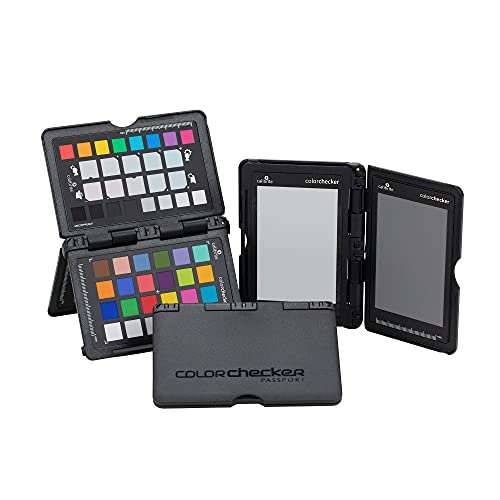
Best for portable color calibration in photography and video workflows. The 4-target set supports exposure control, neutral balance, and profiling. The protective case with lanyard ensures quick access in field shoots, and the included calibration software supports consistent color across Capture to Editing.
Who it’s best for: Photographers and videographers needing reliable white balance and color profiling on the go. Limitations: Geared toward imaging workflows; not a substitute for paint or wall color testing.
Buying Guide
What should I prioritize in a color tester board?
Choose durability, surface flatness, and size that fits your testing scale. Non-absorbent surfaces preserve color fidelity, while a portable design helps you test across rooms or locations.
Which board is best for large color comparisons?
Opt for larger foam boards or multi-panel sets with labeling. A 24-pack like FoamPRO options offers more swatches and easier labeling for side-by-side comparisons across lighting conditions.
Are there boards suited for art displays or presentations?
Foam core boards are ideal for lightweight displays and quick customization. They’re easy to cut to fit frames or display mounts and work well for temporary demonstrations.
What about color analysis for fashion or home decor?
The Color Analysis Draping Kit helps identify your best color seasons for wardrobe, while wall color testing boards help you validate paint choices before committing to large projects.
How do lighting conditions affect color testing?
Test colors in multiple lighting scenarios (natural, warm, cool) to observe color shifts. Boards that travel easily between rooms enable practical evaluation under real conditions.
How should I store my color test boards?
Store flat in a dry area and protect them from direct sunlight to prevent fading or warping. Keep labeling intact for quick reference during future projects.
FAQ
- What is the main purpose of color tester boards?
To compare and visualize color samples side by side before applying them to a project.
- Can these boards be reused across different projects?
Yes, most boards can be reused by cleaning and re-labeling for new color tests.
- Are foam boards durable enough for frequent handling?
They are lightweight and portable, but handle with care to prevent denting or tearing.
- Which option is best for professional photography color calibration?
Calibrite ColorChecker Passport Photo 2 is designed for calibration in imaging workflows.
- Should I buy a kit with many swatches or a few larger panels?
Choose based on your testing scope: many swatches for broad comparison; larger panels for larger color blocks.