Looking for durable, cloth-backed sandpaper sheets that deliver reliable cutting and flexible handling? This guide highlights top cloth-backed options that blend tough backing with sharp grit for metal, wood, and plastic work. Best for hobbyists to DIY pros who need long-lasting sheets, flexible handling on curves, and good dust control.
| Product | Backing Type | Grit Range | Best For |
|---|---|---|---|
| 3M Emery Cloth Sandpaper, 3 Sheets | Cloth | Assorted | Light rust removal and metal polishing |
| Pukamam Emery Cloth Roll | Cloth Roll | 80–600 | Metal, wood, and plastic with curves and corners |
| Starcke Premium Cloth Aluminum Oxide Sheets | Cloth | 40–320 (various packs) | Hand sanding on metal and wood |
| Dura-Gold Premium 1/4 Sheet Purple Ceramic Mesh | Mesh Cloth | 80–600 | Dustless sanding on palm sanders and blocks |
| 3M Wetordry Sandpaper, 5 Sheets | Cloth | Assorted | Between coats and finish sanding |
Note: Each product listed is designed to handle tough tasks while staying flexible enough for curved surfaces. Choose based on grit range, backing durability, and whether you need wet/dry capability or self-adhesive convenience.
3M Emery Cloth Sandpaper, 3 Sheets

Features summary: Assorted grits; Light rust removal and cleaning; Light duty metal polishing. The cloth backing provides tear resistance and flexibility for curved surfaces. Best for buyers who want a ready-to-use set with varied grits for quick rust work or light polishing. Caution: Grit selection may require pairing with a separate finishing abrasive for final polish.
Pukamam Emery Cloth Roll 80–600

Features summary: Full grit range roll (80, 120, 240, 320, 400, 600); 1″ x 19.7′ size; aluminum oxide abrasive on rugged nylon backing; wet/dry sanding. Best for users who want continuous rolls to cover curves and edges without changing sheets. Caution: Roll length may be more than needed for small projects, increasing waste if not measured carefully.
Starcke Premium Cloth Aluminum Oxide Sheets

Features summary: 9 x 11 inch sheets; unlimited grit options in packs; premium reddish-brown aluminum oxide grain on a very flexible cloth backing. Best for hand sanding on metal and wood with an emphasis on flexibility and long life. Caution: Larger sheets may require cutting to fit smaller palm sanders or blocks.
Dura-Gold Premium 1/4 Sheet Purple Ceramic Mesh

Features summary: 20-sheet variety pack (grits 80–600); dustless hook-and-loop backing; true ceramic mesh provides longer life and fast cutting with less loading. Best for users seeking durable, long-lasting sheets for palm sanders and finishing blocks. Caution: Mesh is more expensive per sheet than standard paper; not ideal for very light-duty tasks.
3M Wetordry Sandpaper, 5 Sheets
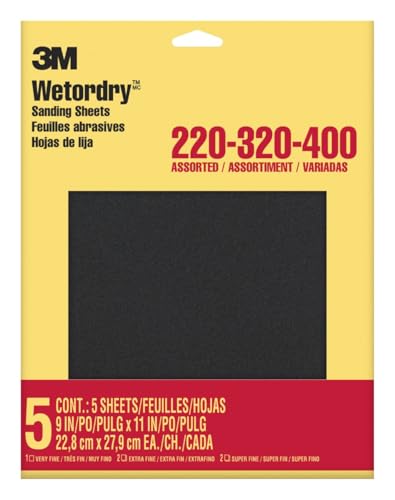
Features summary: Assorted grit for between coats; silicon carbide abrasive; cuts fast and smooth. Best for finishing coats and between layers of varnish or paint. Caution: Not all grits may be ideal for heavy material removal; use rougher grits first if shaping is needed.
Buying Guide: Cloth-Backed Sandpaper Essentials
- Backing material and flexibility: Cloth backings are designed to resist tearing and bend to curves. This makes them suitable for metal edges, furniture curves, and decorative details.
- Grit range and application: Start coarse for material removal, then move to finer grits for finishing. Some rolls include a wide range (80–600) to cover the entire process on a single roll.
- Wet vs. dry use: Wet/dry capable papers reduce dust and minimize loading. Ceramic and aluminum oxide grains typically perform well in wet or dry conditions.
- Sheet size and compatibility: Larger sheets suit hand sanding and blocks, while smaller 3×5 and 9×11 sheets fit palm sanders. Rolls are ideal for custom lengths and curves.
- Dust management: Open mesh designs and dust-free formulations help keep the work area cleaner and extend sheet life when sanding finishes.
- Cost vs. longevity: Ceramic and premium cloth-backed sheets tend to last longer under heavy use, offering a lower cost per job despite higher upfront price.
FAQ: Cloth-Backed Sandpaper For Common Scenarios
- What grit should I use first on metal? Start with a coarser grit (60–120) for shaping, then progress to finer grits (180–320) for smoothing.
- Can I use wet sandpaper for wood? Yes, many cloth-backed sheets are wet/dry and help reduce dust and heat during wet sanding.
- Which backing resists tearing best? Cloth backings are designed to resist tearing and are preferred for curved surfaces and contour work.
- Is ceramic mesh better than traditional paper? Ceramic mesh offers longer life and fast cutting, especially on hard finishes, but can be pricier per sheet.
- How do I avoid clogging when sanding varnished surfaces? Use finer grits after initial rough sanding and consider wet sanding to reduce loading.
- What size should I choose for a palm sander? 4.5″ x 5.5″ (quarter sheet) is common for palm sanders, with larger 9×11 sheets for manual hand sanding.