If you’re searching for a clear mixing glaze for paint, these options offer versatility, depth, and extended blending time across multiple surfaces. The best picks are suited to faux finishing, furniture refinishing, and acrylic artwork. This list focuses on products that help you extend color, create antique looks, or achieve a glassy seal without yellowing. The buyer’s goals vary: some want quick-drying protection, others crave rich glaze depth or a matte-to-satin transition. The table below summarizes five strong choices for a clear glaze baseline.
| Product | Best For |
|---|---|
| AMY HOWARD AT HOME – Glazed Over | Faux finishes, multi-surfaces including wood and metal |
| Liquitex Professional Fluid Medium – Glazing Medium | Acrylic glazing with jewel-like depth |
| Country Chic Paint – Furniture Glaze | Vintage, antique looks on furniture |
| GOLDEN – Satin Glazing Liquid | Longer blending time for acrylic colors |
| GOLDEN – Glass-Linish Glazing Medium | Clear, transparent glaze for rich tones |
AMY HOWARD AT HOME Glazed Over

What it is and how it helps: Glazed Over is a water-based clear glazing medium designed for faux finishes. It adds depth and character to pieces and can be used solo or mixed with colors to create custom glazes. It works across surfaces such as wood, metal, melamine, laminate, and walls, including cabinetry. This makes it a practical option for DIYers tackling furniture, cabinets, and decorative projects.
Best for: Best for mixed-surface projects and DIYers who want a single glaze that can act as a base clear glaze or be tinted for antique looks.
Why selected: Its versatility—usable as a stand-alone glaze or in combination to form colored glazes like gray, black, walnut, or aqua—offers flexible finish options without needing multiple products.
Limitation: The glaze is water-based, so its performance depends on surface porosity and topcoat compatibility; test on a small area first.
Liquitex Professional Fluid Medium – Glazing Medium

What it is and how it helps: Glazing Medium by Liquitex creates jewel-like glazes when mixed with acrylic paints. It provides excellent brushing and leveling, is lightweight, non-toxic, and dries to a water-resistant, non-yellowing surface. The 118 ml bottle fits well into typical painting kits.
Best for: Best for acrylic artists seeking extended working time and rich glaze effects, especially when layering translucent colors.
Why selected: Its proven glazing performance and compatibility with a wide range of acrylic paints make it a reliable core glaze for color modulation and depth.
Limitation: It dries to a satin to slight sheen depending on the topcoat and color, so plan for the finish you want before application.
Country Chic Paint – Furniture Glaze

What it is and how it helps: This glaze is ultra-low VOC and water-based, designed to pair with Country Chic Paint for authentic-looking aging. It can be mixed with clear glaze to create custom colors or used as one of five pre-tinted glazes (Graphite, Limestone, Slate, Smoky Quartz, Tiger’s Eye).
Best for: Best for furniture projects seeking eco-friendly finishes with authentic aging and detail emphasis.
Why selected: The option to mix your own glaze or pick pre-tinted variants gives solid control over depth and tone while staying low in harsh chemicals.
Limitation: Some users may find it takes a bit of practice to achieve perfectly even coverage on heavily textured surfaces.
GOLDEN Acrylic Medium – Glazing Liquid

What it is and how it helps: A high-quality glazing liquid designed to be mixed with acrylics, giving a smoother glaze with rich translucency. This 32-ounce option emphasizes value for larger projects or repeated use on art pieces and furniture.
Best for: Best for artists and professionals who need a dependable glaze liquid for multiple large pieces without frequent reorders.
Why selected: It provides reliable translucency and stability when combined with acrylic colors, helping achieve consistent glaze layers.
Limitation: As with any glaze, ambient humidity and drying times affect blending; plan for longer working times in humid conditions.
GOLDEN Satin Glazing Liquid

What it is and how it helps: This slow-drying extender increases translucency and working time for blending and glazing acrylic colors, enabling more precise control over shifts in color and tone.
Best for: Best for artists who need to extend open time for intricate glazing or layering without rushing the glaze process.
Why selected: The extended blending window helps achieve nuanced, glassy finishes with minimal brush marks.
Limitation: Slower drying may require careful sequencing to avoid accidental excess re-wetting on finished layers.
MCTRHG Clear Acrylic Varnish Glaze
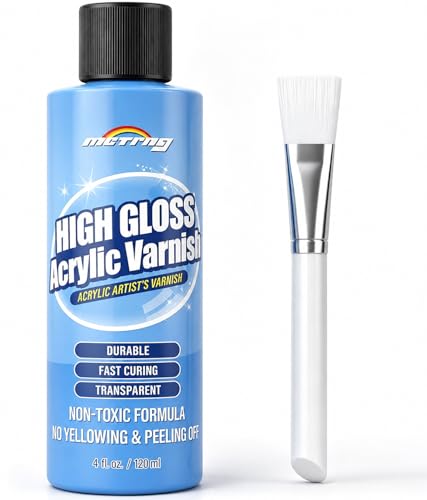
What it is and how it helps: A clear acrylic glaze/sealer designed to deliver a crystal-clear wet-look gloss that resists yellowing and protects painted surfaces. It’s self-leveling for a smooth finish.
Best for: Best for protect-and-glaze scenarios where a high-gloss, durable seal is desired on acrylic paintings or craft projects.
Why selected: It provides a protective, glass-like shine without cloudiness or brush marks, making colors more vibrant.
Limitation: The finish may be very glossy, which might not suit all faux finishing looks; test compatibility with underlying glazes first.
Buying Guide: Clear Glaze Essentials
What should I consider when choosing a clear glaze?
Surface compatibility, drying time, and finish are key. Choose a glaze that matches your primary surface (wood, metal, canvas, ceramic) and desired finish (glossy, satin, or matte).
How does glazing time affect results?
Longer open time helps with blending and layering, especially for complex faux finishes. Finishes labeled as slow-drying extenders provide more working time, while standard formulas dry quicker and are better for simpler applications.
Is color control important with a clear glaze?
Yes. Some glazes are pre-tinted or can be tinted with complementary paints. When color is involved, test on a small area to gauge depth and translucency before committing to the entire piece.
What surfaces benefit most from clear glazing?
Wood furniture, cabinets, canvases, ceramics, and metal are common. Glazes add depth, simulate antique patinas, and create a cohesive finish across different materials.
What about topcoats and sealers?
Glazes are often followed by a topcoat for added protection. Some products are designed to be self-sealing; others require a separate varnish or sealant to lock in color and finish.
How should I test glaze compatibility?
Always perform a test on a scrap piece or hidden area. Check for tackiness, color shift, surface lift, or incompatibilities with existing paints or sealers before full application.
Frequently Asked Questions
- What is a glaze used for in painting? A glaze adds depth, translucency, and tonal variation by layering a transparent film over base colors.
- Can I mix clear glaze with paint? Yes, glazes are designed to mix with paints to create customized color and depth effects.
- Is a glaze suitable for outdoor use? Some are water-based and suitable for indoor use; check each product’s surface recommendations for outdoor applications.
- Do glazes yellow over time? High-quality acrylic glazes are formulated to resist yellowing, but UV exposure and topcoat choices can influence longevity.
- Which glaze is best for furniture aged look? Furniture-specific glazes and tinted options (like Country Chic Furniture Glaze) are ideal for authentic aging and detail pop.
- How do I avoid brush marks with a glaze? Use self-leveling formulas, thin coats, and proper brush technique. Allow each layer to set before applying the next.