Answering the need for durable protection on raw steel, these clear coats guard against rust, fading, and weathering while preserving steel’s natural look. This guide highlights top products for raw steel, ideal for hobbyists, DIY fabricators, and professionals seeking UV resistance and long-lasting protection. The best choices seal porous metals, resist corrosion, and keep bare steel looking clean. Use this overview to pick a finish that fits your project, from small metal accents to larger structural pieces.
| Product | Best For | Key Benefit |
|---|---|---|
| EverBrite Protective Coating for Metal (32 Oz.) | Raw steel and unpainted metal | Seals porous metals and stops tarnish |
| Everbrite 16 Oz. Clear, Protective Coating for Metal | Faded or unpainted metal surfaces | Durable UV protection and color restoration |
| KBS Coatings 8304 DiamondFinish Watercolor Clear Coat | Direct-to-metal applications | Single-part, toughened finish with strong adhesion |
| Rust-Oleum 7701830 Stops Rust Spray | Exterior and interior metal surfaces | Excellent rust prevention and weather resistance |
| Rust-Oleum 302110 Universal All Surface Clear Topcoat | Multi-surface projects | Works on wood, plastic, metal; fast-drying |
EverBrite Protective Coating for Metal (32 Oz.)

What it is used for: A clear, protective coating designed to restore color and luster on faded painted, powder-coated, or anodized metal. It also seals raw steel and porous metals to stop drips and stains. This product contains UV blockers to shield metal from fading and corrosion. Best for: DIY metal crafters and restorers seeking long-lasting color retention on raw steel or unpainted metal surfaces.
Who it’s best for: Homeowners refinishing outdoor hardware, metal sculpture builders, and workshop projects needing a protective barrier against rust and tarnish. Why chosen: It combines restoration with durable protection, making it a versatile option for raw steel finishing. Caution: Over-application can slow curing and may require multiple thin coats for even coverage.
Everbrite 16 Oz. Clear, Protective Coating for Metal

This is a tough, durable clear coating that restores color and luster while protecting metal from tarnish, rust, corrosion, fading, chalking, and UV rays. It can be used on both painted and unpainted metals and is known for blocking color fade on various metals. Best for: Projects requiring long-term protection on exposed raw steel or brass, and for metals prone to UV-induced fading. Limitation: May require multiple light coats for even coverage on very rough or textured metal surfaces.
KBS Coatings 8304 DiamondFinish Watercolor Clear Coat
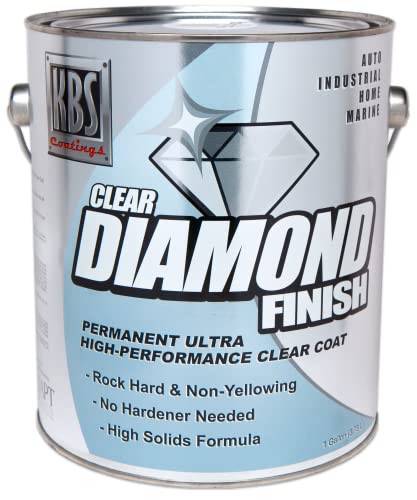
Direct-to-metal application requires no additives, and it coats painted surfaces directly. The single-part formula is marketed as tougher and harder than many two-part clear coats, enabling a strong protective layer on bare or painted steel. Best for: Quick, durable protection on raw steel projects where a hard, clear film is desired. Caution: For large areas, check coverage per coat and reapplication needs to maintain finish integrity.
Rust-Oleum 7701830 Stops Rust Spray

Weather- and corrosion-resistant coating for exterior and interior surfaces, including wood, metal, concrete, and masonry. This oil-based formula provides a durable protective barrier that resists rust and environmental damage. Best for: Bare or lightly prepared metal surfaces needing a fast-drying, protective gloss finish. Caution: Oil-based coatings can be less suitable for indoor spaces with poor ventilation and may require proper curing time.
Rust-Oleum 302110 Universal All Surface Clear Topcoat

Works on nearly any surface, including wood, plastic, metal, fiberglass, concrete, wicker, vinyl, and more. This oil-based topcoat provides strong adhesion, resists rust, and dries quickly to the touch. Best for: Mixed-material projects or upgrades where a single coating must cover different substrates, including raw steel. Limitation: Oil-based finishes may require longer cure times in cool or humid environments.
Buying Guide: Key Considerations For Clear Coats On Raw Steel
- Surface preparation: Raw steel should be cleaned and free of oils, rust, and debris for optimal adhesion. Some products tolerate light rust, others require a clean, sanded surface.
- UV resistance: If the steel is exposed to sunlight, choose coatings with UV blockers to prevent fading and color degradation.
- Adhesion and film strength: Direct-to-metal and single-part formulas typically offer strong adhesion on raw steel, reducing the need for multiple coats.
- Drying and cure times: Consider indoor ventilation and project timelines. Oil-based coatings often require longer curing than water-based formulas.
- Gloss level and appearance: Decide if you want a clear gloss, satin, or matte look. Clear coats can slightly alter the sheen of raw steel.
- Durability vs. ease of use: Heavier-duty finishes may last longer but can be trickier to apply; user reviews can help gauge real-world performance.
- Maintenance: Some finishes resist chalking, corrosion, and staining better than others; consider future touch-ups or re-coats.
FAQ
- Can I apply a clear coat directly to bare steel? Yes, many products are designed for direct-to-metal application, but follow the manufacturer’s prep instructions for best results.
- Will these coatings change the color of bare steel? Most clear coats preserve the natural look, with some slight gloss or hue depending on the product.
- How long does a clear coat last on raw steel? Durability varies by product and environment; some finishes resist UV and corrosion for years, others require reapplication sooner in harsh conditions.
- Is ventilation important when applying oil-based coatings? Yes. Oil-based products require good ventilation and proper curing times to avoid fumes and incomplete drying.
- Can I use these on metal surfaces other than steel? Many coatings are multi-surface and can be used on painted or unpainted metal, wood, or plastic as specified by the manufacturer.
- Do I need a primer before applying a clear coat on raw steel? For most direct-to-metal products, a dedicated primer is not required, but you should follow product-specific guidance for best adhesion.