If you want a durable, chalk-friendly surface on wood and other materials, chalkboard spray paint is a fast, affordable solution. This guide highlights five top options, explains who each product is best for, and includes practical buying tips to help you choose. Whether you’re crafting a kids’ learning board, a kitchen menu board, or a stylish wall panel, these sprays offer smooth finishes, erasable writing surfaces, and reliable adhesion on wood and other substrates.
| Product | Best For | Key Benefit | Approx. Coverage |
|---|---|---|---|
| Rust-Oleum 1913830 Chalkboard Spray Paint, 11 oz | Small projects on wood or metal | Creates hard, writable surface | Up to 7 sq ft |
| Rust-Oleum Black Chalkboard Paint, 30 Oz | Larger walls or furniture | Wider coverage | 66–120 sq ft (varies by surface) |
| Rust-Oleum 301438-6PK Specialty Chalkboard Spray Paint, 11 oz | Multiple small items | Pack of six for versatility | Up to 7 sq ft per can |
| SENVEN Chalkboard Paint, 12 oz | Indoor/outdoor versatility | Smooth, erase-ready finish | 35–40 sq ft per unit |
| Bartoline Chalkboard Spray Paint, 13.5 oz | Walls, furniture, signs | Multi-surface adhesion | Variable by surface |
The following sections present each product with a concise overview, target user, and practical notes to help you compare quickly. All options are selected for wood compatibility and ease of use, with emphasis on clean, erasable chalk writing.
Rust-Oleum Chalkboard Spray Paint 11 oz — Black

Best for: Small DIY projects and craft surfaces on wood, metal, and other indoor substrates. This oil-based formula creates a hard, writable chalk surface that is easy to erase. It dries to the touch quickly, enabling rapid project completion. Use on wood to craft a personal chalkboard in bedrooms, playrooms, or home offices. Best for tight or detail work where a compact can is advantageous.
Limitations: Coverage is approximately 7 sq ft, so plan multiple coats for larger projects. Avoid outdoor use on unprotected surfaces unless the product is specified for exterior application.
Rust-Oleum Black Chalkboard Paint 30 oz — Large Coverage
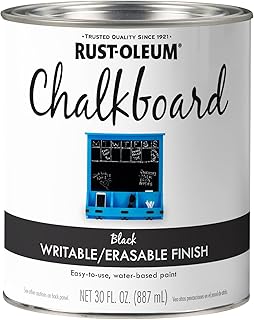
Best for: Larger chalkboard projects on wood, walls, or furniture where a broad surface is required. Covers significantly more area than a standard spray can, making it a strong option for family rooms or classrooms. The oil-based formula helps create a durable, erasable surface suitable for frequent writing and erasing with chalk markers or regular chalk.
Limitations: Requires longer drying time between coats and between writing tests. Ensure adequate ventilation during application and curing.
Rust-Oleum 301438-6PK Chalkboard Spray — Pack of 6

Best for: Projects that benefit from multiple cans or color-consistency across several items. This six-pack lets you equip multiple surfaces with a uniform chalkboard finish. Ideal for classrooms, craft studios, or DIY sign-making where consistency matters.
Limitations: Per-can coverage is up to 7 sq ft; ensure you have enough cans for larger installations. Waste management and storage of multiple cans should follow local regulations.
SENVEN Chalkboard Paint — 12 oz

Best for: Versatile indoor and outdoor chalkboard surfaces on wood, metal, glass, or drywall. This oil-based formula delivers a smooth, erase-ready matte finish, optimized for liquid chalk markers and traditional chalk. Great for kid-friendly projects, pizza boards, calendars, or kitchen menu boards.
Limitations: A little goes a long way; follow thin coats for best adhesion and avoid heavy buildup that can cause cracking or uneven surfaces.
Bartoline Chalkboard Spray Paint — 13.5 oz

Best for: Surfaces like walls, furniture, signs, and crafts that require robust multi-surface adhesion. This spray paint is well-suited for DIY chalkboards in homes, classrooms, cafés, and retail displays. It offers a practical option when you need a wipeable surface across varied materials.
Limitations: The finish is matte and may require sealing or multiple coats for high-traffic areas. Test adhesion on glossy surfaces first to ensure a uniform finish.
Buying Guide: How To Choose The Right Chalkboard Spray Paint For Wood
- Project size and coverage: For small crafts, 11 oz cans are typically enough; for larger boards, opt for bigger cans or multi-pack options to maintain color consistency.
- Surface compatibility: Look for products that explicitly list wood as a suitable surface, along with other substrates like metal or drywall for future projects.
- Finish and dry time: If you need a quick project, choose fast-drying formulas. Matte finishes reduce glare on daily-use boards, while some might prefer a flatter look for art displays.
- Oil-based vs. water-based: Oil-based paints tend to be more durable and chalk-friendly, but may require ventilation during application. Water-based options are easier to clean up but may wear differently over time.
- Application and technique: Some products are optimized for brushing or rolling, while spray formats are ideal for even coats on flat or curved surfaces. Consider your skill level and tool availability.
- Durability and erasure: Ensure the product claims an erase-ready surface and minimal ghosting, especially if you plan to use liquid chalk markers.
- Budget and reuse: If you need multiple surfaces, a pack or larger can may offer better value and color consistency across items.
Frequently Asked Questions
- Can chalkboard spray paint be used on wood indoors only? Answer: Most chalkboard spray paints are designed for indoor use, but some formulations can be used outdoors with proper sealing and surface preparation. Always follow manufacturer guidelines.
- What is the typical drying time before writing on the surface? Answer: Most products dry to the touch within 15–30 minutes, with full curing taking longer. Check the label for specifics.
- Do these sprays require a primer on wood? Answer: Some products do not require a primer, but a primer can improve adhesion and durability on untreated or very porous wood.
- How many coats are recommended for best durability? Answer: Light, even coats are usually recommended; two or three thin coats often provide the most durable chalkboard surface.
- Is ghosting a common issue with chalkboard paints? Answer: Ghosting can occur if coats are too thick or if the surface isn’t properly cured. Use thin coats and allow complete drying between applications.
- Can I use liquid chalk markers on these surfaces? Answer: Many products are optimized for liquid chalk markers, but always verify compatibility with the specific paint you choose.