Looking for high-quality cabinet refacing veneer sheets that deliver a seamless, premium finish? This guide highlights five top options that balance ease of use, durability, and natural wood appearance. It targets homeowners and DIYers undertaking cabinet refacing, furniture restoration, or fine woodworking projects. Each choice is explained with who it’s best for, plus practical cautions to help you decide. A quick summary table is included to compare core details side-by-side.
Product quick-reference table
| Product | Size | Material | Best for | Key note |
|---|---|---|---|---|
| Edge Supply Walnut 24”x48” | 24″ x 48″ | Walnut veneer, 10 mil paper back | Shorter panels and tight corners | Non-glued backing; easy to handle |
| Edge Supply Walnut 24”x96” | 24″ x 96″ | Walnut veneer, 10 mil paper back | Large cabinet faces | Long sheet, versatile for runs |
| Edge Supply Ultra Flexible Walnut 24”x96” | 24″ x 96″ | Walnut veneer, 10 mil paper back | Curved or uneven surfaces | Ultra flexible, peel-and-stick |
| Wood-All Cherry 24”x96” | 24″ x 96″ | Cherry veneer, 10 mil paper back | Classic wood tone match | All-natural grain variation |
| Edge Supply Red Oak 24”x96” | 24″ x 96″ | Red oak veneer, peel-and-stick | Warm tone for contemporary kitchens | Self-adhesive backing |
Edge Supply Walnut Wood Veneer Sheet Flat Cut 24” x 48”

Real wood veneer sheet ready to stain. Paper-backed for easy handling, this option is suited for small refinishing tasks on cabinets and furniture. The 10 mil backing aids grip during cutting and application. Best for: projects with tight dimensions where precision is key. Limitation: shorter sheet length may require seams on larger surfaces.
Edge Supply Walnut Wood Veneer Sheet Flat Cut 24” x 96”

Same family as the 24×48 option but sized for larger cabinet faces and panels. It’s ideal for re-facing full-width sections with consistent grain. Best for: mid- to large-scale cabinet projects. Caution: ensure even surface prep to prevent visible seams.
Edge Supply Ultra Flexible & Thin Walnut Veneer Sheet 24” x 96”
This ultra-flexible, thin veneer is designed for projects that involve bends and contours. Peel-and-stick backing simplifies application, and the 10 mil veneer layer provides a natural surface that can be stained to match existing cabinetry. Best for: curved surfaces or irregular profiles. Limitation: adhesive performance depends on clean, smooth substrate.
Wood-All Cherry Wood Veneer Sheet 24×96
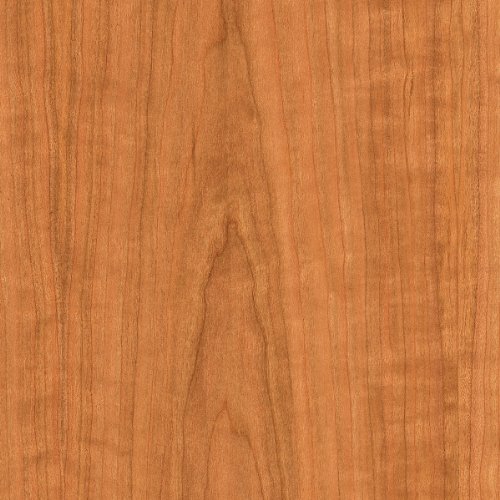
Unfinished cherry veneer in a 24×96 sheet, ready for stain and finish. This option emphasizes natural grain variation and occurs as a stable, flexible veneer for furniture restoration. Best for: users who want a classic cherry look with ample room for larger panels. Caution: expect natural variation between sheets and lots.
Edge Supply Red Oak 24×96 Peel & Stick Veneer Sheet
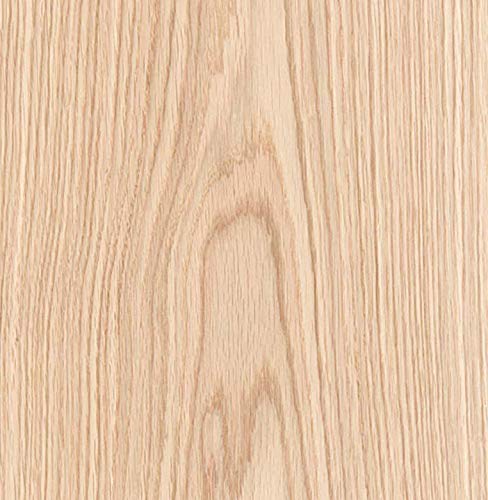
Premium red oak veneer with self-adhesive backing for straightforward application on flat surfaces. It’s designed to stain and blend with existing finishes. Best for: projects requiring a warm, universal oak tone without extra glue. Caution: bend limitations may require careful planning on curved areas.
Buying Guide: How To Choose The Right Cabinet Veneer Sheets
Key considerations help you pick veneer sheets that deliver a durable, seamless result on cabinetry.
- Sheet size vs. project scope: Larger panels reduce seams but require more careful handling during installation.
- Backing and application method: Paper-backed sheets are easier to grip; peel-and-stick varieties speed up DIY projects but depend on surface cleanliness.
- Wood tone and grain: Choose a veneer that matches or complements the existing finish for a cohesive look.
- Thickness and flexibility: Thinner, ultra-flexible veneers bend easily for curved surfaces but may be more prone to denting if handled roughly.
- Finish compatibility: Some veneers are ready for staining, while others are pre-finished or require a topcoat for protection.
- Substrate preparation: Proper cleaning, sanding, and sealing improve adhesion and reduce the risk of visible seams.
What matters most for cabinet refacing
- Consistency of grain and color across sheets to minimize variation in appearance.
- Adhesive performance and backing type to fit your skill level and project scale.
- Application tools and technique, such as using a roller for contact adhesive or a scraping tool for smoothing edges.
Material and finishing considerations
- Real wood veneers (walnut, cherry, red oak) offer natural beauty but require careful staining to match existing surfaces.
- Paper backing assists handling but should be removed or treated according to the adhesive you use.
- Peel-and-stick options provide quick results but may need a stable, clean substrate for best adhesion.
FAQ
- Q: Are veneer sheets suitable for curved cabinet faces?
A: Yes, some ultra-flexible veneers are specifically designed to bend and lay smoothly over curved areas. - Q: Do these veneers require glue for installation?
A: Most listings offer either peel-and-stick or adhesive-backed options, but many projects still benefit from an additional bonding adhesive for long-term durability. - Q: Can I stain veneer sheets to match existing cabinets?
A: Yes, most real wood veneers are ready to stain or finish to achieve a seamless look with nearby surfaces. - Q: How should I prepare the surface before applying veneer?
A: Clean, sand, and ensure a flat, dry surface. Remove dust and previous finishes that could hinder adhesion. - Q: Are there limitations on sheet length for larger cabinets?
A: Longer sheets reduce seams but require careful handling during alignment to maintain grain continuity. - Q: How visible are seams after installation?
A: Proper cutting, alignment, and adhesive use minimize seams; mismatches may occur if grain patterns vary across sheets.