Looking for brown metal roof paint that protects, beautifies, and lasts? This guide highlights five top brown roof coatings and paints designed for metal roofs, including flat and low-slope surfaces. Each option is assessed for best use cases so you can pick the coating that fits your roof’s orientation, climate, and maintenance expectations. The list targets homeowners and professionals seeking durable elastomeric and enamel coatings with clear performance distinctions.
Summary of chosen products:
| Product | Best For | Key Benefit | Notes |
|---|---|---|---|
| Liquid Rubber Color Roof Sealant | Flat or low-slope metal roofs needing a flexible membrane | Elastomeric, highly stretchable membrane | Requires multiple coats for full membrane |
| SUPERMAX Roof Coating – Cocoa Brown | Sloped metal or tile roofs requiring energy efficiency | Ceramic heat-dissipating technology | Matte finish; color-tintable |
| Rust-Oleum Leather Brown Protective Enamel | Interior/exterior metal projects needing durable enamel | Gloss protective enamel | Oil-based; good rust resistance |
| Diamond Brite Oil-Based Enamel Paint – Tile Brown | High-traffic areas and outdoor metal surfaces | High gloss, durable enamel | Moisture resistant; suitable for multiple surfaces |
| Rust-Oleum Stops Rust – Leather Brown (Quarter) | Metal and other surfaces needing rust protection | Rust-preventive oil-based coating | Dries in 2–4 hours; covers up to 90 sq ft |
Liquid Rubber Color Roof Sealant for Metal Roofs
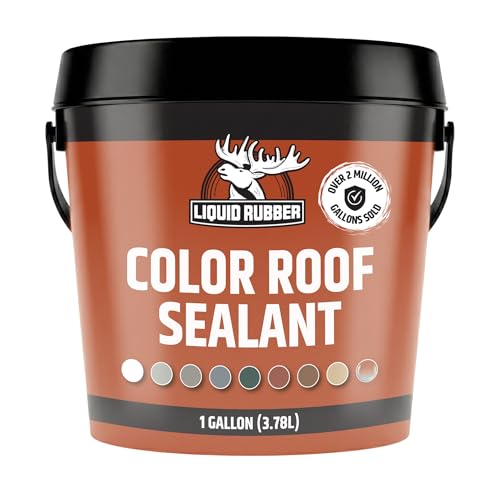
Best for flat or low-slope metal roofs needing a flexible, waterproof membrane. This liquid rubber sealant cures into a durable, rubber-like coating with up to 900% elongation, allowing it to flex with roof movement without cracking. It applies like paint and builds a full membrane with multiple coats. A caution: full cure can take 24–48 hours depending on conditions, so plan applications with dry weather.
Who it’s best for: homeowners or contractors seeking a professional-grade, elastomeric coating that seals leaks on metal or flat roofs and remains flexible over time. Why selected: the high elongation and membrane-building capability make it particularly suitable for metal roofs that experience movement or thermal expansion.
SUPERMAX Cocoa Brown Roof Coating

Best for sloped metal or tile roofs where energy efficiency and aesthetics matter. This elastomeric ceramic coating provides a reflective, durable matte finish and can be tinted. It incorporates ceramic heat-dissipating technology to help reduce interior temperatures and may contribute to lower cooling costs. It can form a seamless, fully adhered membrane and withstand high wind uplift conditions.
Who it’s best for: buyers prioritizing energy efficiency and color customization while protecting a metal roof. Why selected: ceramic pigments improve heat reflection and interior comfort, making it a strong choice for sunny climates or roofs with direct sun exposure.
Limitation: the product is primarily designed for sloped roofs, so verify compatibility with very flat surfaces before use.
Rust-Oleum Leather Brown Protective Enamel

Best for interior and exterior metal surfaces requiring a durable enamel finish. This protective enamel provides corrosion resistance with a gloss leather brown appearance. It’s suitable for metal and other substrates, offering robust protection against moisture and minor abrasions. A caution: oil-based formulas can have longer dry times and odor; ensure proper ventilation during application.
Who it’s best for: projects needing a strong enamel with a glossy finish and good rust resistance on metal surfaces. Why selected: its proven durability and simple application suit metal roofs or accessories that benefit from a glossy protective layer.
Diamond Brite Oil-Based Enamel Paint – Tile Brown

Best for high-traffic exterior metal projects that require a tough, moisture-resistant enamel. The high-gloss finish resists rust, scuffs, fading, and peeling on various surfaces. The enamel is well-suited for garages, basements, patios, and other high-use areas that demand easy cleanability and durability. A caution: outdoor metal roofs may need more frequent maintenance in harsh climates to preserve the gloss finish.
Rust-Oleum Stops Rust Leather Brown (Hammered and Satin Options)

Best for metal and other exterior/interior surfaces needing robust rust protection. This line provides oil-based coatings that prevent corrosion and offer durable protection. It dries to the touch in 2–4 hours and covers substantial areas per quart. A caution: oil-based formulas may have stronger solvent odors and longer cleanup times; use proper ventilation and solvent-compatible cleaners.
Rust-Oleum Stops Rust Flat Brown

Best for budget-friendly metal roof touch-ups and large, flat brown surfaces. This oil-based formula provides rust prevention and durability with a practical drying window. It’s ideal for shed or outbuilding metal roofs where a flat brown finish is desired. A caution: flat finishes may show flaws more readily than gloss finishes and may require smooth surface prep for best results.
Rust-Oleum Stops Rust Satin Chestnut Brown

Best for surfaces requiring a satin brown finish with long-lasting rust protection. The coating provides a practical balance of appearance, protection, and ease of application for metal roofs and related projects. A caution: satin finishes can highlight surface texture or imperfections more than smoother finishes; plan prep accordingly.
Buying Guide: Brown Roof Paint Choices for Metal Roofs
- Coating type matters: Elastomeric coatings (flexible membranes) excel on metal roofs with movement, while oil-based enamels offer durable rust protection and a glossy or satin finish. Choose elastomeric for movement and sealant-like performance; enamel for hard-wearing protection and aesthetics.
- Finish and appearance: Gloss finishes emphasize bold color and reflectivity; satin and matte options reduce glare and show less dirt but may require more frequent cleaning.
- Climate and sun exposure: Ceramic or pigment-based coatings can reflect heat and potentially reduce interior temperatures. For hot climates, prefer coatings with reflective properties or high UV stability.
- Surface preparation: Most products require clean, dry surfaces. Some coatings demand multiple coats to build a membrane. Plan for weather windows to ensure proper cure times.
- Application method: Consider whether a brush, roller, or spray system is preferred. Elastomeric coatings often require more coats and time between layers for best adhesion.
- Color compatibility: Brown roofing tones should complement trim and surroundings. If you plan to tint, ensure the product supports tinting and color stability.
- Maintenance and durability: Oil-based enamels provide long-lasting rust protection but can have longer cure times and stronger odors. Elastomerics offer flexibility and leak protection but may require higher upfront labor for multiple coats.
Frequently Asked Questions
- What is the difference between elastomeric roof coatings and enamel paints for metal roofs?
Elastomeric coatings cure into flexible membranes that can move with the roof, sealing leaks effectively. Enamels form hard, protective surfaces that resist rust and corrosion but are less flexible than elastomerics. - Which brown roof coating is best for energy efficiency?
Ceramic-based or reflective brown coatings with heat-dissipating technology tend to reduce heat absorption and may lower interior cooling needs in sunny climates. - Do I need multiple coats for metal roof coatings?
Many products require multiple coats to achieve a full waterproof membrane or optimal protection. Follow the manufacturer’s instructions for cure times and recoat windows. - Is it okay to mix browns or tint coatings?
Tinting is sometimes supported for color matching. Check product compatibility and tinting guidelines to ensure color stability and performance. - How long does it take for these coatings to cure?
Cure times vary by product and weather; some cure in 24–48 hours, while others may take longer in cool or humid conditions. Plan around dry weather for best results. - Can these coatings be used on other surfaces besides metal roofs?
Many are versatile and can be used on wood, concrete, or masonry, but always verify substrate compatibility in the product details.