Answer: Choose a gap filler that bonds well with brick or masonry, provides solid insulation, and is easy to apply. Top picks include polyurethane spray foams for large gaps, elastomeric sealants for exterior brick, and backer rods or foam fillers for joints. This guide helps you pick products suited for interior cracks, exterior masonry repairs, and DIY remodeling projects.
Buyer profiles: Ideal for DIY homeowners tackling visible gaps around brick walls, landlords sealing masonry cracks between seasons, and remodelers seeking durable, paint-ready finishes. The following table summarizes five strong options and their core strengths.
| Product | Best For | Key Benefit |
|---|---|---|
| Loctite Tite Foam Gaps & Cracks | Interior and exterior gaps up to 1 inch | High-density polyurethane foam with UV resistance |
| DAP Textured Mortar Premium Elastomeric Filler | Mortar and masonry cracks on brick, concrete, stucco | Waterproof, weatherproof, paint-ready in 2 hours |
| DAP Concrete & Mortar Filler and Sealant | Concrete patches and masonry holes | Ready-to-use, low-odor, 24-hour return to service |
| Sprayman Pest Block Spray Foam | Rodent-proofing gaps in walls | Odor-free, paintable foam sealant |
| Foam Backer Rod for Gaps | Expansion joints and large cavity gaps | Foam backing for clean sealant finishes |
Loctite Tite Foam Gaps & Cracks Sealant

Product highlights include filling gaps up to 1 inch, UV resistance for durability, and a high-density foam structure that insulates and seals effectively around brick and masonry. Best for interior and exterior gaps around masonry where long-term resistance to weather is needed. The product is chosen for users who want a robust, paint-ready finish after curing. Caution: expansion can be rapid; apply in controlled bursts to avoid overfilling or mess.
- Best for sealing larger, irregular gaps around brickwork
- Better for long-lasting insulation in drafty walls
- Avoid this if you need a flexible sealant for constantly moving joints
DAP Textured Mortar Premium Filler & Sealant

This textured elastomeric latex product is designed for cracks and holes in mortar, brick, concrete, and stucco. It forms a waterproof and weatherproof seal, becomes paint-ready within a couple of hours, and provides reliable adhesion to masonry surfaces. It’s especially suitable for exterior brick repairs where you need a robust exterior-grade finish. Limitation: may be less flexible than some silicone-based sealants in dynamic joints.
- Best for textured brick and mortar repairs
- Better for exterior masonry where water exposure is likely
- Avoid this if you require ultra-low odor or ultra-fast curing beyond 24 hours
DAP Concrete and Mortar Filler and Sealant

This ready-to-use concrete patch filler fills cracks and holes in interior and exterior concrete and masonry, offering easy cleanup with water and a flexible adhesive that returns to service in about 24 hours. It’s best for quick, DIY repairs where mixing or additives are impractical. A potential drawback is that it may harden less quickly in very cold conditions, delaying return-to-service in winter projects.
- Best for fast, no-muss concrete patches
- Better for small to medium cracks in interior concrete
- Avoid this if you need a paint-ready finish immediately after application in cold environments
Sprayman Pest Block Foam

This odor-free spray foam is positioned for pest control and gap sealing, especially where mice might enter. It’s paintable and designed to block small to mid-sized openings around brick walls. Best for pest-proofing prior to finishing or painting. Caution: labeled as odor-free, but ensure proper ventilation during application and cure times for best results.
- Best for rodent-proofing around brick gaps
- Better for paintable, finish-ready surfaces
- Avoid this if you need specialized fire-rated sealants in critical areas
Foam Backer Rod For Gaps
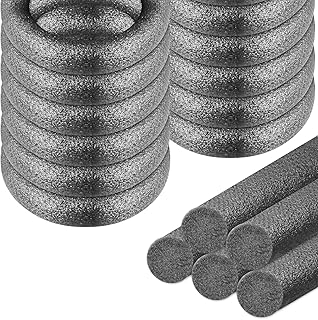
Backer rods provide a clean backing for sealants in expansion joints and large gaps, reducing sealant sag and helping achieve a neater finish on brick walls. This option is best when a uniform seal is needed behind the final filler. Limitation: not a stand-alone filler; must be used with a separate sealant for a complete seal.
- Best for expansion joints in brickwork
- Better for achieving consistent sealant thickness
- Avoid this if you need a standalone, all-in-one filler
Buying Guide: Key Considerations For Brick Wall Gap Fillers
- What gap size and location matter? For gaps up to 1 inch, polyurethane foams like Loctite Tite Foam perform well. For larger or irregular openings, backer rods plus sealant deliver cleaner results.
- Exterior vs interior application: Exterior masonry demands weatherproof, UV-resistant materials. Interior gaps prioritize paint readiness and low odor.
- Material type: Polyurethane foams provide insulation but can expand unpredictably; elastomeric latex offers flexible, paint-ready options with strong adhesion to brick and concrete.
- Curing and finish: Consider how quickly you need to return to service and whether you require paint or stain compatibility after curing.
- Rodent and pest considerations: For openings prone to pests, consider foam products marketed for pest blocking and ensure the product remains paintable after curing.
- Maintenance and durability: UV resistance and weatherproofing extend life in exterior brick applications. For interior projects, odor and cleanup ease may take precedence.
Frequently Asked Questions
- What is the best gap filler for brick walls?
– For larger gaps, Loctite Tite Foam provides a durable, insulating fill. For cracks and mortar repairs, elastomeric sealants like DAP Textured Mortar offer strong weatherproofing and paint readiness. - Can I paint over polyurethane foam?
– Yes, most high-density foams cure to a surface that accepts paint, but check the product’s paint readiness timing and surface prep guidelines. - Is a backer rod necessary for brick joints?
– It helps control sealant depth and reduces sag in larger joints; pair it with a compatible sealant for best results. - Are these products safe for indoor use?
– Many are suitable for interior brick gaps, but verify odor, cure time, and cleanup instructions to suit your space. - Will these sealants resist moisture?
– Exterior-focused products emphasize waterproofing; interior products may offer water resistance but are primarily aimed at sealing and insulation.