Whether you’re a budding painter or a seasoned professional, the right color-mixing book can streamline your palette, expand your possibilities, and improve accuracy. This guide highlights four top titles that cover oil, acrylic, watercolor, and mixed-media color theory. Each pick is best for different artists: the practical recipe seeker, the technical student, the imaginative learner, and the beginner seeking foundational skills. Below, you’ll find a compact comparison table and notes on who each book serves best.
| Book | Best For | Why It’s Useful |
|---|---|---|
| Color Mixing Recipes for Oil & Acrylic | Practical painters | Over 450 color combinations with mix charts |
| Color Mixing Bible | Students and professionals | Comprehensive pigment mixing across media |
| Mix It Up!: Board Book Edition | Parents and educators | Interactive color theory for kids |
| Color by Betty Edwards | Beginners | Foundational color mixing and perception skills |
Color Mixing Recipes for Oil & Acrylic

This book focuses on practical color creation for artists working with oil and acrylic paints. It emphasizes decision-based color mixes and provides a paint-mix chart to guide palette choices. Best for artists who want concrete recipes and quick-reference guidance.
Who it’s best for: painters who value repeatable color results and clear, actionable steps.
Why chosen: Its large library of color combinations helps streamline decision-making during painting sessions. A potential limitation is that it centers on specific media, so users seeking watercolor-only guidance may need additional resources.
Color Mixing Bible
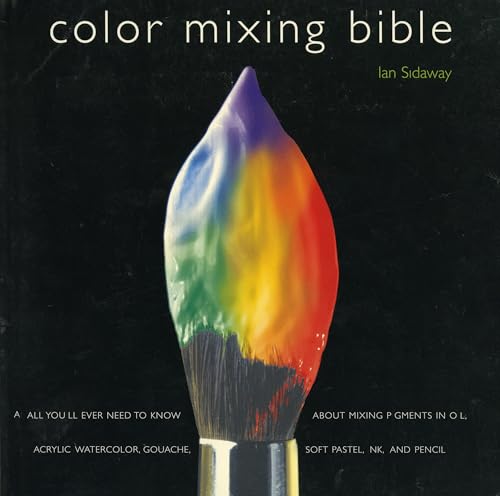
This reference covers color mixing across multiple media, including oil, acrylic, watercolor, gouache, soft pastel, pencil, and ink. It’s a solid choice for learners who want a broad, media-spanning approach to pigment theory and mixing techniques.
Who it’s best for: students and professionals needing a versatile, cross-media guide.
Why chosen: It consolidates core color principles across media, helping artists compare approaches. Caution: breadth may mean less depth in any single medium for readers seeking intensive, step-by-step sequences.
Mix It Up!: Board Book Edition

This interactive title introduces color theory to kids through playful page-turn mechanics. It’s ideal for families and early education settings looking to spark curiosity about color mixing.
Who it’s best for: parents, teachers, and caregivers seeking an experiential color-learning tool for young children.
Why chosen: Its engaging format demonstrates color transformation concepts in a tangible, memorable way. Limitation: content is designed for early audiences; older students may need more advanced resources for technical mixing.
Color by Betty Edwards

This course-style book emphasizes foundational color mixing and perception skills for beginners. It’s a practical starting point for learners who want a gradual, visually guided approach to color theory.
Who it’s best for: newcomers to color theory and aspiring artists seeking structured, easy-to-follow lessons.
Why chosen: clear progression from basic concepts to more nuanced color relationships. Caution: as a beginner-focused resource, it may not satisfy advanced artists seeking in-depth pigment exercises across media.
Buying Guide: Key Considerations for Color-Mixing Books
- Media coverage: Do you need cross-media guidance (oil, acrylic, watercolor, etc.) or focus on a single medium?
- Level of detail: Are you seeking quick recipes, or a thorough theoretical foundation with exercises?
- Learning style: Do you prefer hands-on charts and recipes, or visual/GIF-like interactive concepts?
- Age and audience: Are you shopping for yourself, a student, or a child learning color theory?
- Practical tools: Look for mix charts, palettes, and color relationships that translate to your studio setup.
FAQ
- What is the main purpose of a color-mixing book?
To provide structured guidance on creating harmonious colors and expanding a artist’s palette. - Which book is best for beginners?
Color by Betty Edwards is designed for beginners seeking foundational skills. - Is a cross-media guide more useful than a single-media book?
It depends on your practice; cross-media guides help with transferable principles, while single-media books offer deeper dives into specific materials. - Do these books include step-by-step color recipes?
Some titles include recipes and charts; others focus on theory and practice across media. - Can these books help with digital color mixing?
Yes, the underlying color relationships (hue, value, saturation) apply to digital work, though media-specific tips may differ. - Are illustrated charts sufficient for serious painting practice?
They provide valuable guidance, but hands-on practice remains essential for mastering color mixing.