Answering the common question, these blow dryers and paint-pouring air tools are chosen for artists who need precise airflow, portability, and versatility. Ideal for beginners exploring acrylic pours, Dutch pours, resin projects, and travel-friendly studio setups. The top picks below are best for artists on the go, students, and hobbyists seeking compact power and adjustable airflow. A quick comparison table helps you spot differences at a glance.
| Product | Best For | Key Benefit |
|---|---|---|
| Mini Travel Hair Dryer 1000W (MHD) | Travelers and kids-friendly projects | Compact, low-noise, includes concentrator |
| Cordless Acrylic Paint Pouring Blower (incockol) | On-the-go acrylic pouring | Cordless with 3 nozzles, adjustable speeds |
| Mini Blow Dryer Ceramic Ionic 1000W (MHU) | Travel and gifts for young artists | Small, stylish, two speeds, cool shot |
| Cordless Acrylic Paint Pouring Blower with 3 Nozzles (Drankin) | Professional fluid art | 5 speeds, long battery life, 3 nozzles |
| FANPROMS Cordless Paint Pouring Blower (5 Nozzles) | Versatile fluid art projects | Four adjustable speeds, five nozzles, portable |
Mini Travel Hair Dryer 1000 Watts for RV & Pouring Art

The Mini Travel Hair Dryer from MHD delivers compact power suitable for light painting projects and on-the-road art sessions. This 1000-watt device uses a ceramic-tourmaline outlet and includes a concentrator for focused airflow. A cool-shot button helps set finishes on poured pieces. It’s best for travelers, students, and hobbyists who need a small, low-noise tool with removable lint filter for easy cleaning.
Best for: quick-dry sessions on small canvases, resin-coated pours, and travel setups where space is at a premium. Limitations: not built for heavy-duty studio pours, and users may prefer higher airflow for large pieces.
Cordless Acrylic Paint Pouring Blower, 3 Nozzles
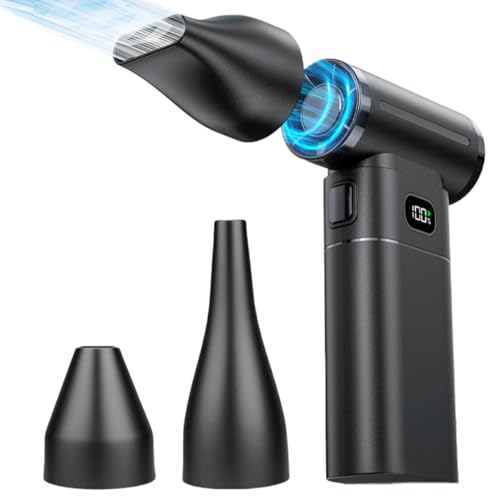
This cordless blower emphasizes versatility for fluid art. It features three interchangeable nozzles for precision, five adjustable speeds, and a robust 130,000 RPM turbine. Its cordless design makes it ideal for artists who paint on different surfaces—canvas, wood, mirrors, or tables—while keeping control over airflow to minimize splatter. Best for: Dutch pours, acrylic blows, and on-the-go studio sessions. Caution: heavier use may demand frequent recharging and monitoring battery life.
Mini Blow Dryer Ceramic Ionic 1000 Watts

Compact, ceramic-ionic, and travel-ready, this Mini Blow Dryer from MHU is designed for daily use with two speed settings and a dedicated cool shot. Its 1000-watt output provides reliable airflow for small art pours, quick-drying experiments, and kids’ craft projects. Best for: beginners and children learning pour techniques, plus travelers needing a gentle, portable dryer. Limitation: not optimized for large pours or heavy-duty resin work.
Cordless Acrylic Paint Pouring Blower with 3 Nozzles (Drankin)

This five-speed, cordless tool from Drankin combines 3 nozzle options with a high-performance 180000 RPM motor. It includes a built-in LED display to monitor wind gear and battery life, and a Type-C charger to shorten downtime. Best for: artists who mix fluid art techniques, need precise nozzle control, and want long runtime. Caution: ensure your battery is sufficiently charged for extended sessions to avoid mid-project interruptions.
FANPROMS Cordless Paint Pouring Blower with 5 Nozzles

A versatile tool with five nozzles and four adjustable speeds, the FANPROMS blower is designed for fluid art across multiple surfaces. Its lightweight, phone-sized form and cordless design support portability for outdoor painting or classroom demos. Best for: artists who want flexible nozzle options and variable airflow to shape pours and control pigment dispersion. Limitation: heavier or more complex pours may require additional airflow for larger pieces.
Buying Guide: Key Considerations For Choosing A Painting Blow Dryer
Size and portability: If you travel or work in small spaces, choose a compact model with a lightweight build and cordless operation. Battery life matters for longer sessions, especially with 3–5 nozzle options.
Airflow and speed settings: Look for devices with multiple speeds and a cool-shot option to help set finishes. For delicate Dutch pours or fine details, slower settings reduce splatter; for quick dries, higher speeds help reduce tool time.
Nozzle versatility: Interchangeable nozzles enable precise control over pigment movement on canvas, wood, glass, or resin. More nozzle shapes offer broader creative options.
Power source and runtime: Cordless units offer mobility but may require frequent charging. If you prefer constant power, an AC-powered model with a stable outlet is beneficial.
Build quality and maintenance: A ceramic or ionic surface can improve airflow and reduce static cling on wet pours. Removable lint filters help maintain performance and simplify cleaning.
Practical tips for use
- Test airflow on a scrap piece before applying to your final work to prevent splatter.
- Keep a clean workspace and use a dust-free surface when drying paints and resins.
- Charge cordless units fully before long sessions to maximize runtime.
FAQ: Quick Answers For Buyers
- What is the best blow dryer for acrylic pouring?
A cordless blower with multiple nozzles and several speeds is ideal for control and portability, such as models with 3–5 nozzles and a high RPM motor. - Can I use a hair dryer for resin drying?
Yes, but ensure the device provides a steady airflow and does not generate excessive heat that could warp resin pieces. - Is a cool-shot feature important for painting?
Yes, it helps set finishes and reduces pigment spread by cooling the surface quickly after shaping. - Do cordless blowers drain quickly?
Battery life varies by model. For extended sessions, pick a unit with a long battery life or a swappable battery option. - Are there safety considerations for kids?
Choose low-noise, cool-shot capable devices with safety guards and simple controls to minimize accidents during playful projects. - Which accessory matters most?
Interchangeable nozzles provide the most versatile control for different pouring techniques and surfaces.